1 week ago
Space Industry Chokepoints Shift Power Toward Launch, Infrastructure and Data
Space is becoming more like a large industrial business.
It is now much cheaper to send equipment into orbit than it was in 1981.
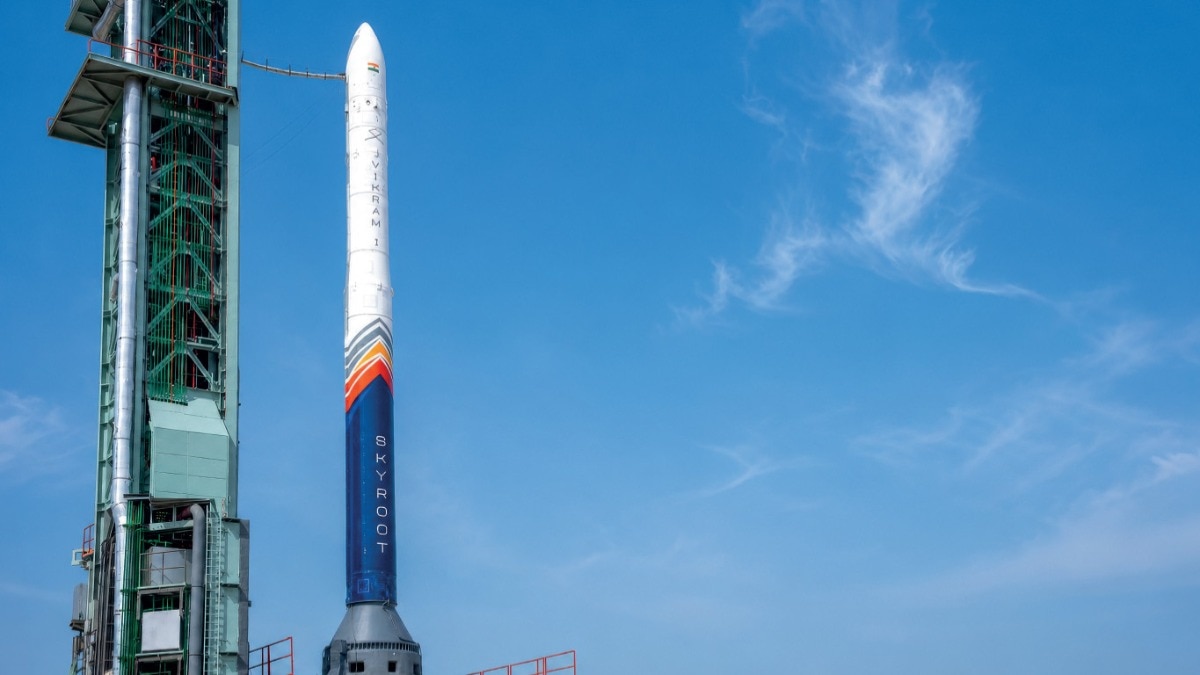
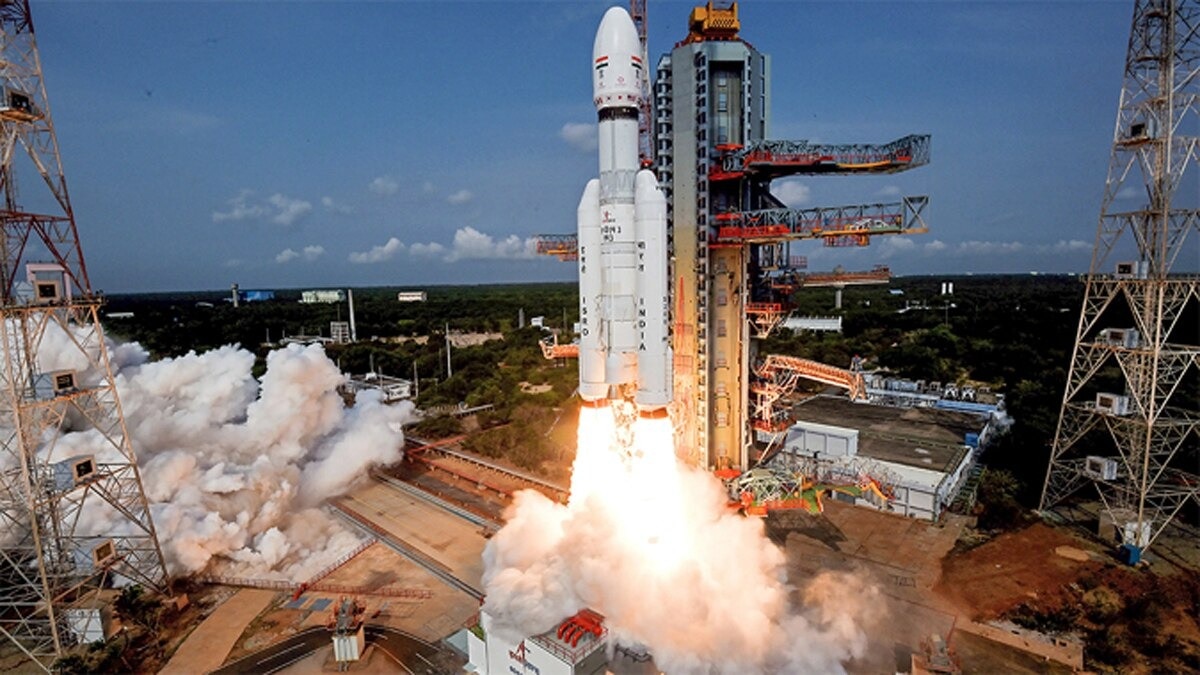
However, companies still need launch providers to get satellites into space.
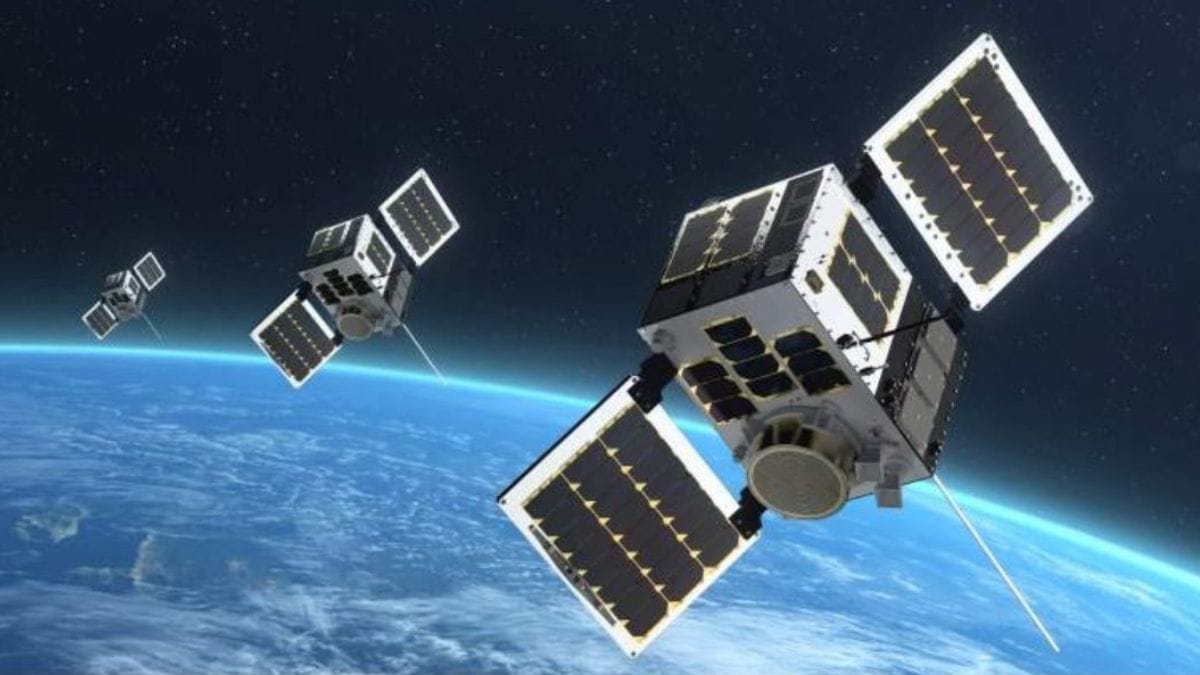
Smaller satellites are allowing companies to build large groups of satellites called constellations.
These satellites can provide communications, mapping, timing and other services.
Ground stations and other orbital systems are also becoming important.
Data collected from space could help farmers, logistics companies, infrastructure operators and defence organizations.
Future businesses may build, repair or manufacture things in space.
The report says companies controlling these important parts of the space supply chain may gain the most influence and money.

The cost of placing a kilogram in low Earth orbit has fallen from $65,400 in 1981 to about $1,500 today.
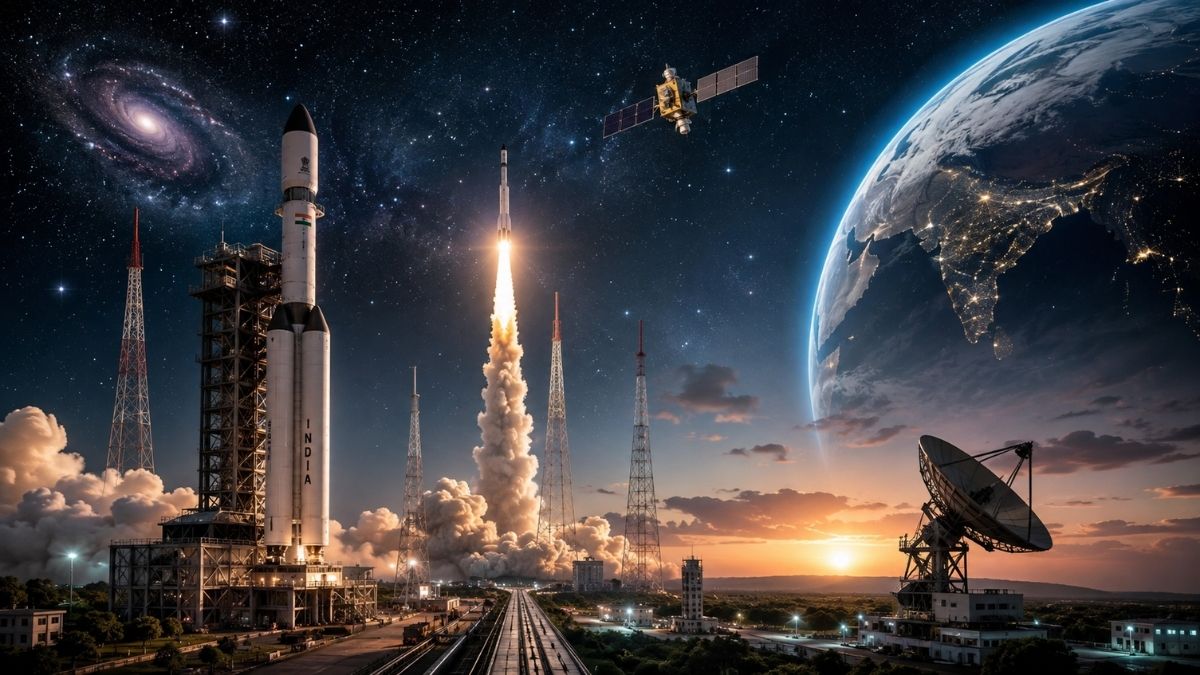
Launch services remain an upstream chokepoint because most space assets must first reach orbit.
Smaller, cheaper satellites are enabling large constellations for communications, Earth observation, IoT and geolocation.
Ground stations, satellite networks, positioning systems and space-domain awareness are becoming interconnected infrastructure.
The Goldman Sachs Global Institute says control of launch, manufacturing, orbital infrastructure and space-derived data could bring disproportionate returns.
- Who
- Launch providers, satellite manufacturers and companies controlling orbital infrastructure and space-derived data are central to the shift described by the Goldman Sachs Global Institute.
- What
- The space economy is developing industrial chokepoints in launch services, satellite manufacturing, orbital infrastructure and data.
- Where
- The developments concern the global space industry, including low Earth orbit and related ground infrastructure.
- When
- The transition is occurring as launch costs fall, with the report comparing about $1,500 per kilogram today with $65,400 in 1981.
- Why
- Commercialization, reusable rockets, smaller satellites and growing demand for connectivity and space-derived data are creating new supply chains and value pools.
Key facts
- Launch cost in 1981
- About $65,400 per kilogram to low Earth orbit.
- Launch cost today
- About $1,500 per kilogram to low Earth orbit.
- Primary chokepoint
- Launch capacity, because most space assets must be placed into orbit.
- Satellite trend
- The industry is moving from large, expensive satellites toward smaller satellites and low Earth orbit constellations.
- Key infrastructure
- Ground stations, satellite communications networks, positioning and timing systems, and space-domain awareness capabilities.
- Potential data uses
- Earth-observation data can support agriculture, logistics, defence and infrastructure.
- Future opportunities
- In-space servicing, assembly, manufacturing, orbital construction, microgravity manufacturing and lunar activity.
Quotes
Goldman Sachs report
A report analyzing emerging industrial structures and value creation in the space sector.
“The firms and countries that control launch capacity, manufacturing capability, orbital infrastructure, and space-derived data will shape how value is created in the emerging space sector.”
 businesstoday.in
“Space is becoming a new pillar of the industrial economy, with supply chains, infrastructure nodes, and value pools that resemble other sectors.”
businesstoday.in