1 hr ago
India’s Auto Industry Seeks More Women Amid Persistent Shopfloor Gap

India’s car industry needs more skilled workers, but most factory workers are still men.
Women make up only a small share of automotive jobs and often earn less than men in similar blue-collar roles.
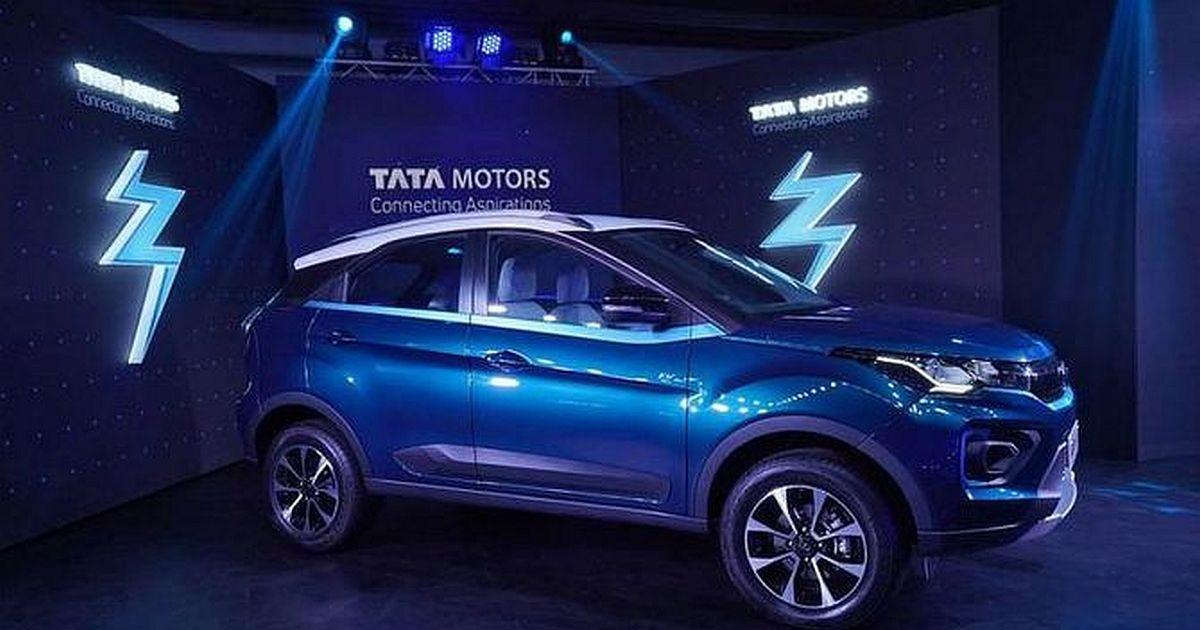
Some companies, including JSW MG Motor India, Tata Motors and Hero MotoCorp, are hiring many more women.
However, women may not know about available jobs, and some factories do not place them on night shifts.
This can make it harder for companies to employ women in factories that run all day and night.
Smaller suppliers may also find it harder to pay for changes that support women workers.
A study found that women were more likely to accept jobs when they could bring a peer or report to a woman supervisor.
Programs are also testing training plans and portable records showing what skills workers have.
These efforts aim to help women enter and progress through the wider automotive industry, not only electric-vehicle plants.

Women represent 8.7% of India’s combined automotive OEM and component workforce, while men hold more than 91% of shopfloor roles.
Women in blue-collar automotive jobs reportedly earn about ₹70 for every ₹100 earned by men.
JSW MG Motor India, Tata Motors and Hero MotoCorp have expanded women’s participation in factory roles.
Limited awareness, contractor-led recruitment and restrictions on night shifts continue to constrain women’s hiring.
Training programs, peer support and portable skills records are being tested to connect women with automotive jobs.
- Who
- Women workers, automotive manufacturers, skills agencies and researchers from Good Business Lab are involved.
- What
- India’s automotive industry is trying to increase women’s participation while addressing persistent hiring, pay, training and workplace barriers.
- Where
- The findings concern India’s automotive industry, with fieldwork and a Skills Passport pilot mentioned in the National Capital Region, Bengaluru and two Chakan plants.
- When
- The study was conducted from 2023 to 2026, and the article was published on September 3, 2026.
- Why
- The industry faces a shortage of skilled workers and wants to create a broader pipeline of women for manufacturing, servicing, dealerships and emerging automotive technologies.
Expansion Efforts
Persistent Barriers
Women’s factory participation
Expansion Efforts
Examples from JSW MG Motor India, Tata Motors and Hero MotoCorp indicate that women can work successfully in automotive manufacturing, including battery assembly and multiple shifts.
Persistent Barriers
Company-level successes have not yet produced broad representation: women remain only 8.7% of the combined OEM and component workforce and hold a small share of shopfloor roles.
Training and recruitment
Expansion Efforts
Industry programs are training women, expanding pathways into servicing and mechanical trades, and testing skills records that can help workers carry their qualifications between employers.
Persistent Barriers
Skilling alone may not be enough because women’s awareness of automotive hiring is limited and recruitment often relies on contractors, referrals, WhatsApp groups and word of mouth.
Shift flexibility
Expansion Efforts
Employers that support women across shifts can increase workforce flexibility and demonstrate that women can participate in production organized around multiple shifts.
Persistent Barriers
Most manufacturers covered by the study did not deploy women on night shifts, which researchers said can limit line-balancing flexibility and the number of women employed.
Key facts
- Women’s workforce share
- Women account for 8.7% of the combined OEM and component workforce.
- Shopfloor gender gap
- More than 91% of automotive shopfloor roles are held by men.
- Reported pay gap
- Women in blue-collar automotive roles earn roughly ₹70 for every ₹100 earned by men.
- Factory participation
- Women make up 80% of JSW MG Motor India’s Halol battery assembly shop.
- Women technicians
- Tata Motors employs more than 6,500 women shopfloor technicians, while Hero MotoCorp has 3,500 women on factory floors.
- Training target
- The Automotive Skills Development Council and Hero MotoCorp aim to train 20,000 women for automotive roles.
- Job acceptance experiment
- Allowing candidates to bring a peer or assigning a woman supervisor increased job acceptance by 11–13 percentage points in an experiment involving more than 1,200 women.
Quotes
Munira Loliwala
Former TeamLease Vice-President and HR and skilling expert
“If we recognise and reskill for the capabilities these new jobs require, women need not remain concentrated only in EV or electronics plants. The same talent pool can increasingly move into the wider automotive manufacturing ecosystem.”
 thehindubusinessline.com
“The industry does not only need to train more women; it needs to create pathways that take them from training and apprenticeships into actual shopfloor roles and allow the skills they acquire there to travel with them.”
thehindubusinessline.com
Sources
Related news
NITI Aayog Flags Women’s Low Formal Employment, Urges Skilling Reform
Tamil Nadu urged to support women guest workers beyond factories
India’s Gig Economy Growth Leaves Women Behind, Study Finds

Women Entrepreneurs Say Hiring Alone Cannot Deliver Gender Parity

Bengaluru Plans Charging Hubs as Women Auto Training Expands

Auto Industry Urges Shift From Make to Create in India

Car Sales Aug'26: Tata Leads Growth, Maruti Dominates Volume
Brokerages Favor Indian Auto Stocks as Truck Sales Surge

Auto stocks plunge despite strong August sales and demand outlook