1 week ago
NITI Aayog Flags Women’s Low Formal Employment, Urges Skilling Reform
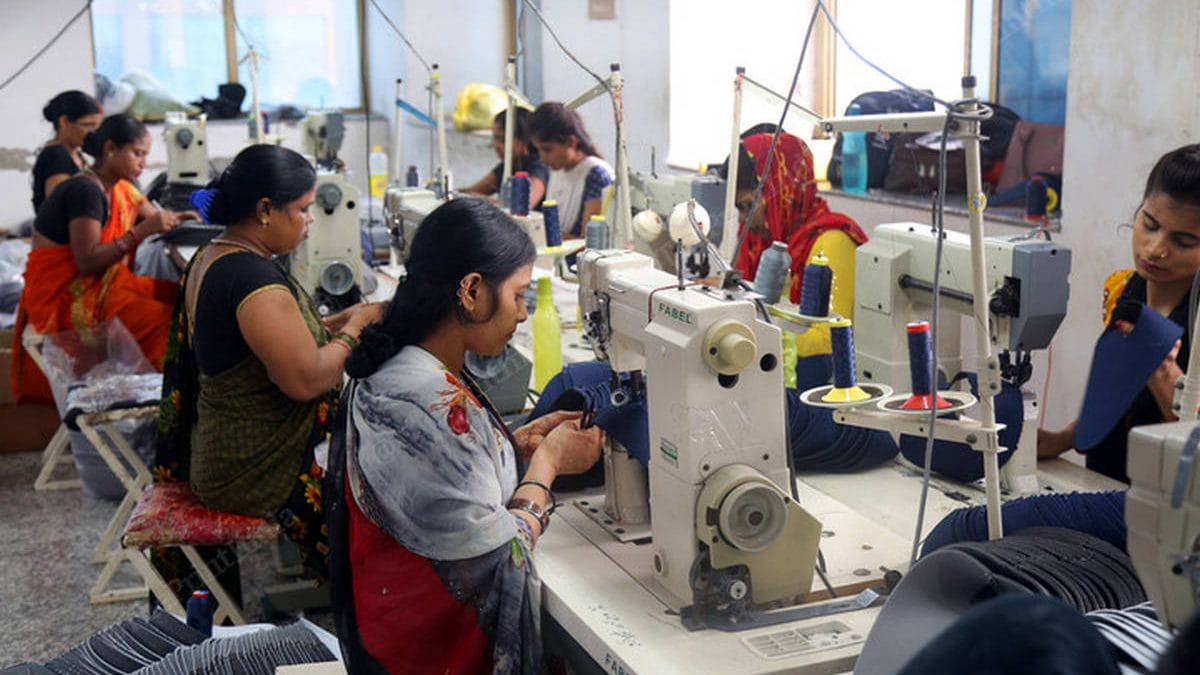
A new NITI Aayog report studied why many people do not get lasting jobs after learning new skills.
It says only 3% of women in India have formal-sector jobs.
Many other women work in informal jobs or are not employed, studying or training.
Women may find it difficult to attend training because of childcare, safety, travel and money problems.
Some also lack permission, trusted support or information about useful programmes.
Training alone is not enough if there are no safe and flexible jobs afterward.
The report suggests cheaper training, financial help and better transport for women.
It also suggests using schools as safe places for women to learn.
Portable digital records could help women show their skills when they return to work.

Only 3% of women in India have formal-sector jobs, while 71% work informally or are NEET.
NITI Aayog says training often fails to lead to sustained economic participation because of structural and workplace barriers.
Women face challenges including caregiving duties, unsafe transport, limited mobility, rigid training formats and lack of finance.
The report says 79.6 crore people, or 54.9% of Indians, remain outside the labour force.
Proposals include subsidised training, flexible work, women’s hostels and transport, school-based upskilling and portable skill accounts.
- Who
- NITI Aayog and women and other workforce groups examined in its report.
- What
- The report, “Reimagining Skilling for Viksit Bharat@2047,” identifies barriers preventing skills from leading to formal employment and proposes reforms.
- Where
- India.
- When
- In a new 103-page report; the articles do not specify a publication date.
- Why
- To improve India’s skilling system and support its ambition of becoming a developed country by 2047.
Key facts
- Women in formal jobs
- 3% of women in India are reported to have formal-sector jobs.
- Women in informal work or NEET
- 71% are reported to be working informally or to be not in employment, education or training.
- People outside the labour force
- 79.6 crore people, or 54.9% of Indians, remain outside the labour force.
- Labour-force composition
- Among 65.4 crore workers, 58.4% are self-employed, 21.7% are regular wage employees and 19.8% are casual labourers.
- Social-security gap
- Around 7 crore non-agricultural workers have at least one social-security benefit, compared with 27 crore without any such benefit.
- People trained since 2014-15
- More than 7.67 crore individuals have been trained through India’s skilling ecosystem.
- Women not pursuing skills
- The report says 47% of women do not pursue skills, citing a lack of awareness of suitable programmes.
Sources
Related news

NITI Aayog Finds 8.7 Crore Youth Outside Work, Education

NITI Aayog Report Urges Maharashtra To Link Skilling With Jobs
NITI Aayog Reports 8.7 Crore Indian Youth Are NEET
India’s Gig Economy Growth Leaves Women Behind, Study Finds

NITI Aayog Flags India’s Graduate Skills and Jobs Gap

Hooda Accuses Haryana Government of Evading Assembly Questions

India's R&D Ecosystem Faces Hurdles On Path To Knowledge Economy

India’s AI Ambition Faces Questions About School Foundations
Hyderabad Reports Police Aid, Prison Death And Scheme Dispute

Why JSW MG Motor May Bring EREV Technology to India