1 week ago
India Expands Barrierless Tolling Through Digital Local Passes
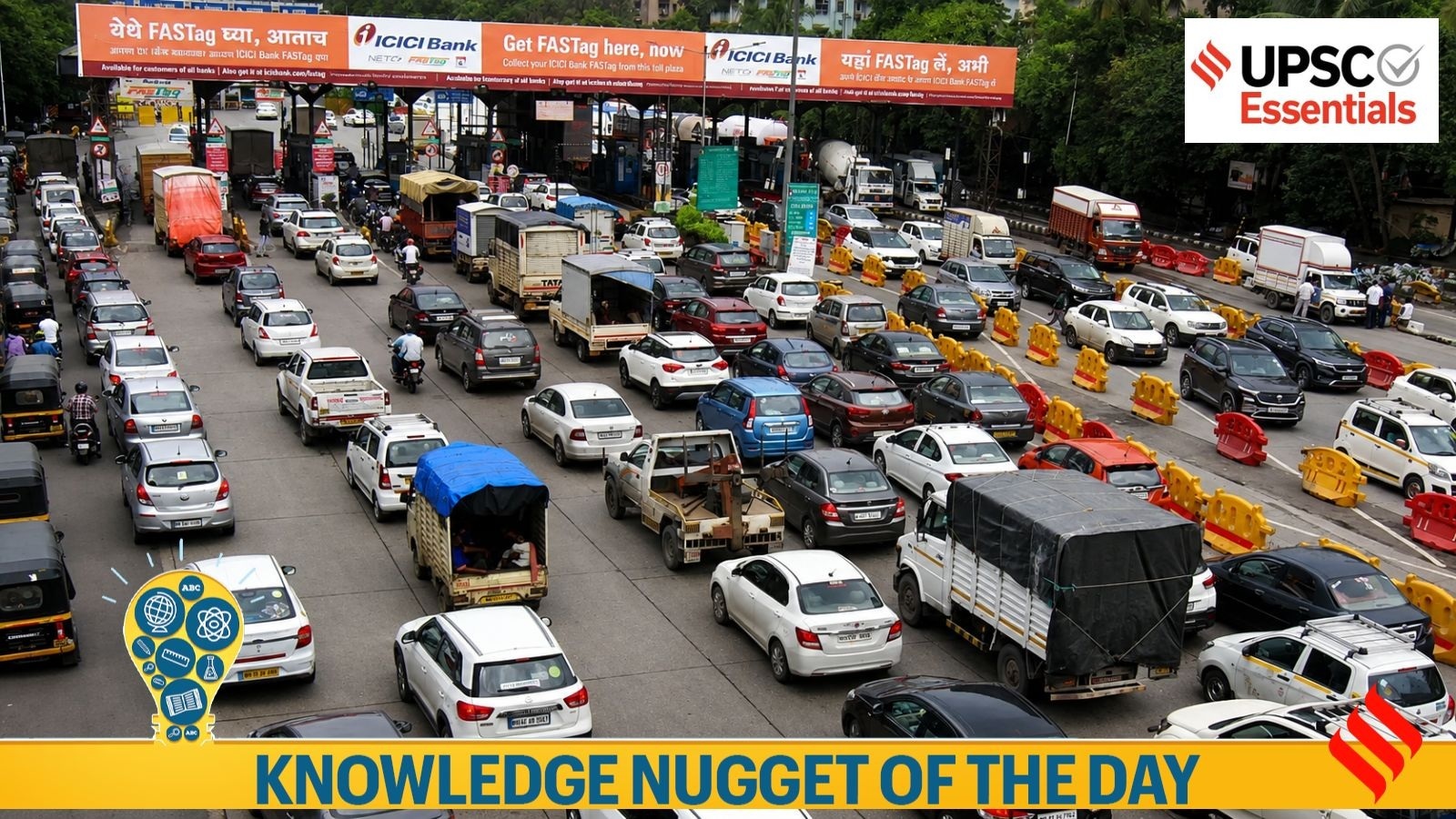
India is changing how drivers pay at some highway toll plazas.
Instead of stopping at a barrier, cameras and radio readers can identify vehicles while they keep moving.
The system reads a vehicle’s FASTag and number plate.
NHAI has also created digital monthly passes for local residents at 121 toll plazas.
People can apply through the Rajmargyatra app, which checks their address and vehicle information electronically.
This may reduce traffic jams, travel time, fuel use and pollution near toll plazas.
New rules require drivers who do not pay to pay the toll, and possibly an additional amount if payment is delayed.
Satellite-based tolling was considered, but privacy and security concerns led authorities to focus on barrierless ANPR-FASTag tolling for now.

NHAI has extended digital monthly local passes to 121 toll plazas through the Rajmargyatra app.
The passes allow eligible residents near toll plazas unlimited monthly crossings for a fee.
Multi-lane free flow uses RFID readers and ANPR cameras to identify moving vehicles without boom barriers.
Barrierless tolling is operational at six plazas, with nationwide implementation on qualifying highways projected by March 2029.
FASTag, HSRP, VAHAN integration and new unpaid-toll rules support enforcement and recovery of fees.
- Who
- The National Highways Authority of India, the Ministry of Road Transport and Highways, FASTag-issuing banks and highway users.
- What
- Expansion of digital local passes and multi-lane free flow, or barrierless, toll collection.
- Where
- Across India's national highways and expressways, including 121 local-pass toll plazas and six operational MLFF plazas.
- When
- The first digital local pass was launched in July 2026; nationwide MLFF implementation is projected by March 2029.
- Why
- To reduce toll-plaza congestion and stopping time, improve highway throughput, and strengthen collection of unpaid user fees.
Barrierless Tolling Supporters
Satellite-Tolling Caution
Preferred tolling approach
Barrierless Tolling Supporters
ANPR-FASTag-based MLFF can let vehicles pass without barriers, reduce congestion and improve travel efficiency.
Satellite-Tolling Caution
Satellite-based GNSS tolling requires further deliberation because committees raised security, privacy, breach and operational-control concerns.
How users are charged
Barrierless Tolling Supporters
MLFF identifies vehicles through FASTag and number-plate systems at designated tolling corridors or stretches.
Satellite-Tolling Caution
GNSS would track vehicle movement by satellite and charge users according to the distance travelled rather than fixed charges for set distances.
Key facts
- Digital local pass coverage
- Extended to 121 toll plazas through the Rajmargyatra app.
- Local-pass eligibility
- The facility verifies residence within a 20-km radius of the toll plaza.
- Operational MLFF plazas
- Choryasi, Mundaka, Daulatpura, Gharaunda, Manoharpur and Shahjahanpur.
- Technology used
- High-performance RFID readers and Automatic Number Plate Recognition cameras read FASTags and vehicle registration numbers.
- FASTag usage
- More than 98% of user-fee payments were made through FASTag as of March 2024.
- Traffic throughput
- Electronic toll lanes can process more than 260 vehicles per hour, compared with 112 vehicles per hour for manual lanes.
- Unpaid toll rule
- A vehicle owner generally faces double the applicable toll for unpaid fees, but payment within 72 hours requires only the original fee.
Sources
Related news
Barrier-Less Tolling Issues E-Notices to Nearly One in Ten Vehicles
NHAI Expands ₹350 Digital Local Pass to 121 Plazas

NHAI Expands Online FASTag Local Passes to 121 Plazas
Nearly 1 in 10 vehicles skip barrier-less FASTag toll payments
Six-lane highway link to Zirakpur bypass construction starts in December
ED Searches 14 Premises Over Alleged NHAI Toll Fraud

Odisha Approves Rs 54,000 Crore Water Infrastructure Projects
National Highway Toll Growth Set to Recover in FY28
Chittoor Orders Coordinated Action to Reduce Fatal Road Accidents
Ujjain–Garoth Highway Sinks Again, 500-Metre Stretch To Rebuild