

2 weeks ago
Nearly 1 in 10 vehicles skip barrier-less FASTag toll payments
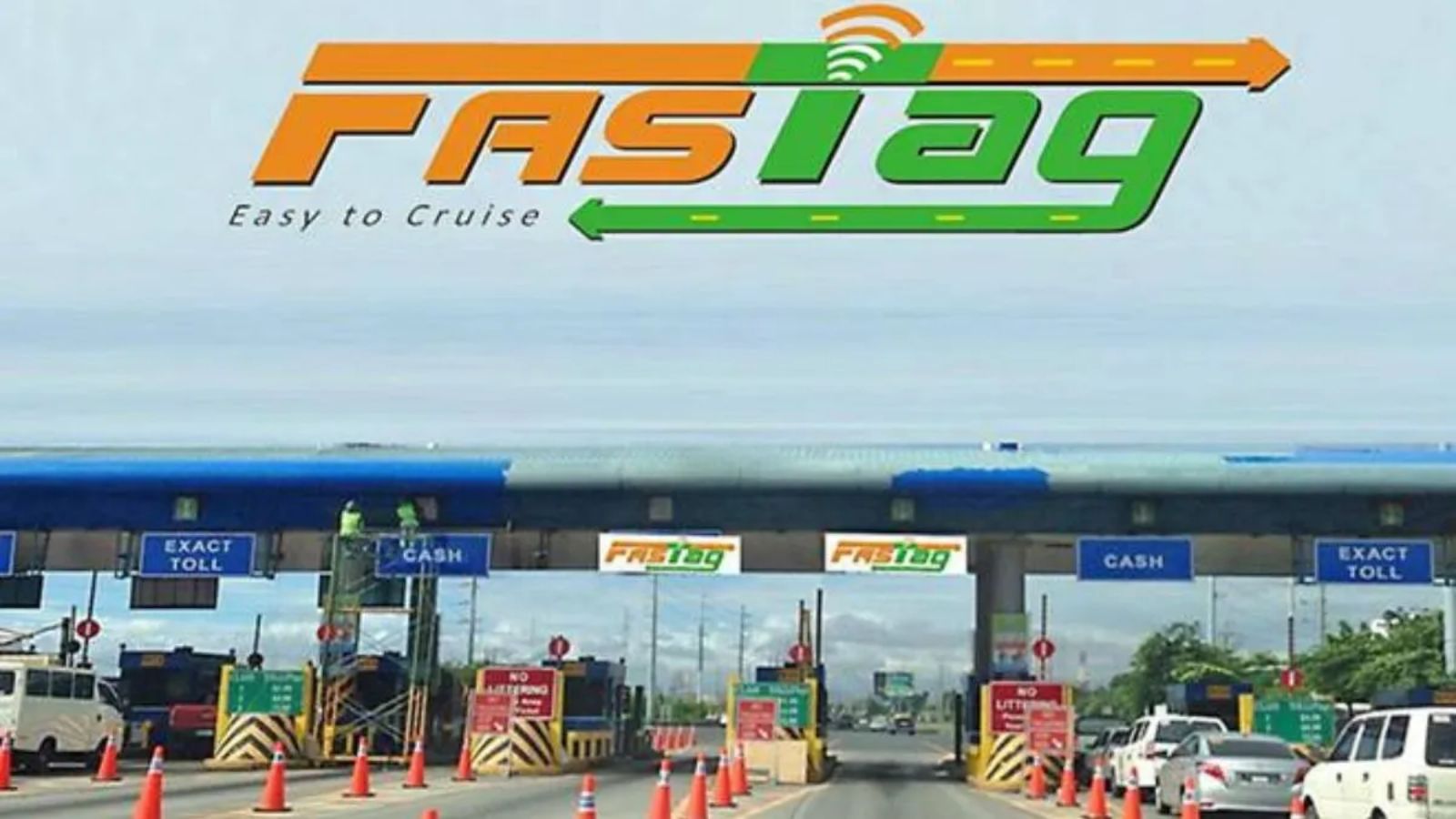
India is using a new kind of toll booth where cars don't have to stop and pay with cash.
Instead, every car must carry a special electronic pass called FASTag.
The toll gates automatically scan each car's pass as it drives through.
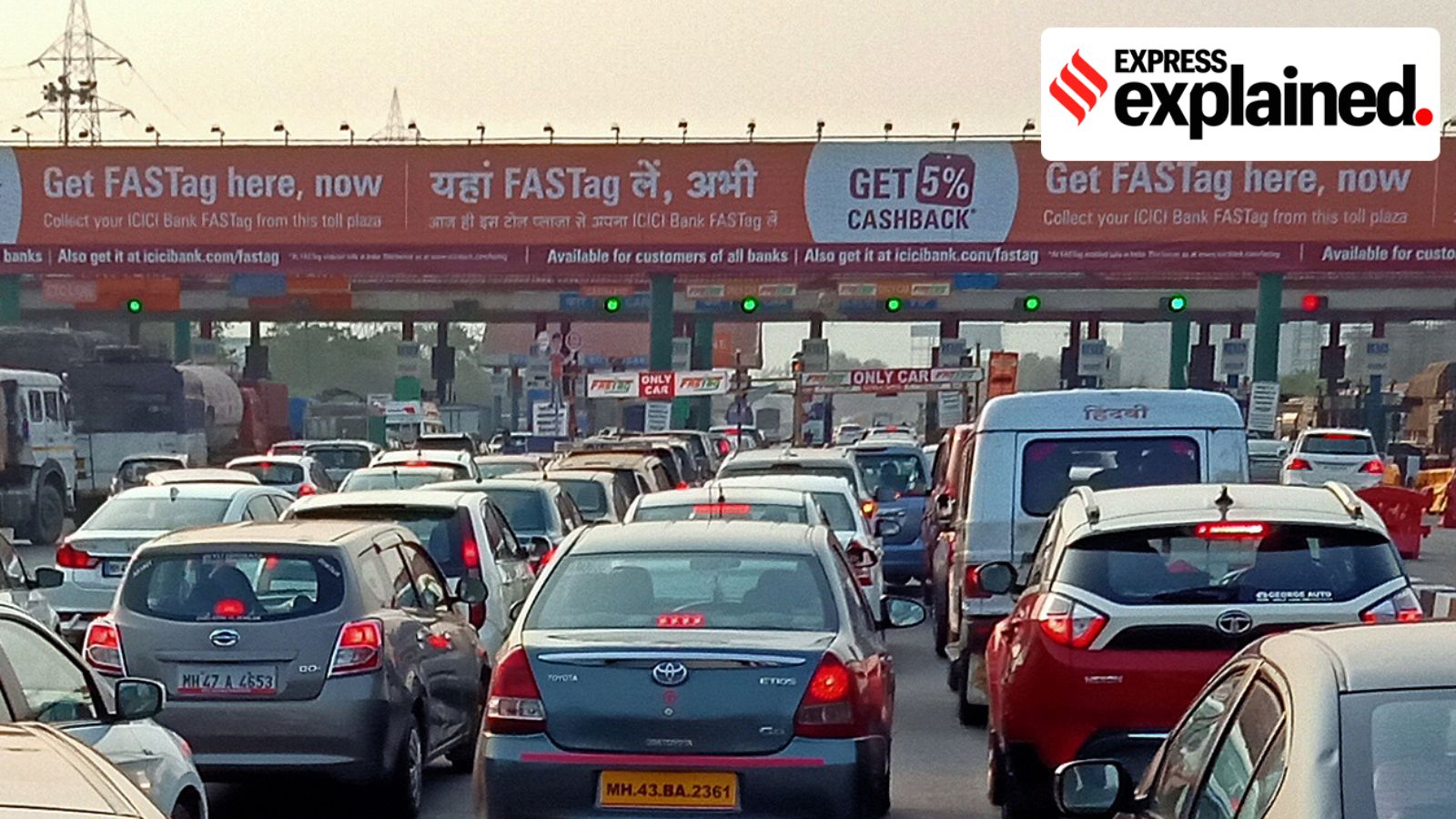
But almost one out of every ten cars that passed through five such gates used a pass that was broken, empty, or invalid.
So the owners of those cars received electronic notices telling them to pay their toll within 72 hours.
If people do not pay quickly, they are asked to pay double the toll amount.
Cars and jeeps were the vehicles that broke the rules the most.
One toll gate in Delhi sent out over four lakh such notices.
The toll gates have gotten a little better over time, but many people still do not pay.
The government wants to add these automatic gates to many more highways in the coming years to reduce traffic delays.

Around 10% of vehicle crossings at five Multi-Lane Free Flow (MLFF) toll plazas led to e-notices for non-payment of user fees between May and July.
A total of 10.52 lakh e-notices were issued against 1.10 crore vehicle crossings at plazas in Delhi, Gujarat, Haryana, and Rajasthan.
Delhi's Mundaka toll plaza recorded the highest absolute number of e-notices at 4.54 lakh, while Gujarat's Choryasi had the highest violation rate at 11.97%.
Cars and jeeps accounted for over 91% of all e-notices issued, with their violation rate falling from 15% in May to 9.9% in July.
The NHAI agency IHMCL has awarded MLFF contracts for 12 more fee plazas, with implementation on all four-lane-plus national highways targeted by March 2029.
Only about 40% of the amounts against e-notices were realised, with recovery highest at Choryasi (over 60%) and lowest at Mundaka (around 20%).
- Who
- Highway users crossing the five MLFF toll plazas, NHAI, its tolling agency IHMCL, and the Indian government.
- What
- Nearly 10% of vehicle crossings at barrier-less toll plazas resulted in e-notices due to faulty, invalid, or insufficient-balance FASTags, with 10.52 lakh e-notices issued in three months.
- Where
- Mundaka (Delhi), Choryasi (Gujarat), Gharaunda (Haryana), and Daulatpura and Manoharpura (Rajasthan).
- When
- Between May and July, after MLFF systems went live at the plazas from May 1 onwards.
- Why
- The government is expanding barrier-less tolling to reduce travel time, decongest highways, improve fuel efficiency, and lower vehicular emissions, but non-payment remains a compliance issue.
Pro-MLFF / Government Perspective
Skeptical / Operational Concern Perspective
Impact of barrier-less tolling
Pro-MLFF / Government Perspective
MLFF reduces travel time, decongests highways near toll plazas, improves fuel efficiency, and lowers vehicular emissions, so expanding it is beneficial.
Skeptical / Operational Concern Perspective
With nearly 10% of crossings violating and only about 40% of e-notice amounts realised, the system is leaking substantial toll revenue that highways depend on.
Fairness of enforcement
Pro-MLFF / Government Perspective
E-notices give defaulters a clear 72-hour window to pay their fee before a double-toll penalty, making enforcement transparent and simple.
Skeptical / Operational Concern Perspective
Almost 1 in 10 vehicles crossing without valid FASTags suggests many highway users are being caught out (e.g., by insufficient balance or faulty tags), placing a heavy burden on ordinary car drivers, who make up over 91% of notices.
Key facts
- E-notices issued (May-July)
- 10.52 lakh across the five MLFF plazas
- Total vehicle crossings
- 1.10 crore
- Overall violation rate
- Nearly 10% of crossings
- Highest violation rate
- Choryasi (Gujarat) at 11.97%
- Most e-notices in absolute numbers
- Mundaka (Delhi) with 4.54 lakh
- Biggest violator category
- Cars/jeeps at over 91% of e-notices
- Payment deadline
- 72 hours, else double the toll amount
- Recovery of e-notice amounts
- Around 40% overall; highest at Choryasi (over 60%), lowest at Mundaka (around 20%)
- Expansion
- MLFF contracts for 12 more plazas awarded; bids invited for 104 more; full rollout targeted by March 2029
Sources
Related news
Barrier-Less Tolling Issues E-Notices to Nearly One in Ten Vehicles
India Expands Barrierless Tolling Through Digital Local Passes

NHAI Expands Online FASTag Local Passes to 121 Plazas
NHAI Expands ₹350 Digital Local Pass to 121 Plazas
Maharashtra Transporters Seek Scientific Proof and Transparency for E-Challans
Maharashtra Penalises 33,993 Vehicles in HSRP Enforcement Drive

Haryana Plans 582 Village Knowledge Centres for Rural Services
UP Minister Visits Ankit Baliyan Family, Promises Strict Action

Congress Questions Haryana’s Falling Sex Ratio Despite Beti Bachao
Haryana Says Ayushman Bharat Health Services Continue Despite IMA Call

Private Hospitals Flag Ayushman Bharat Payment Delays and Claim Deductions
