

6 days ago
Barrier-Less Tolling Issues E-Notices to Nearly One in Ten Vehicles
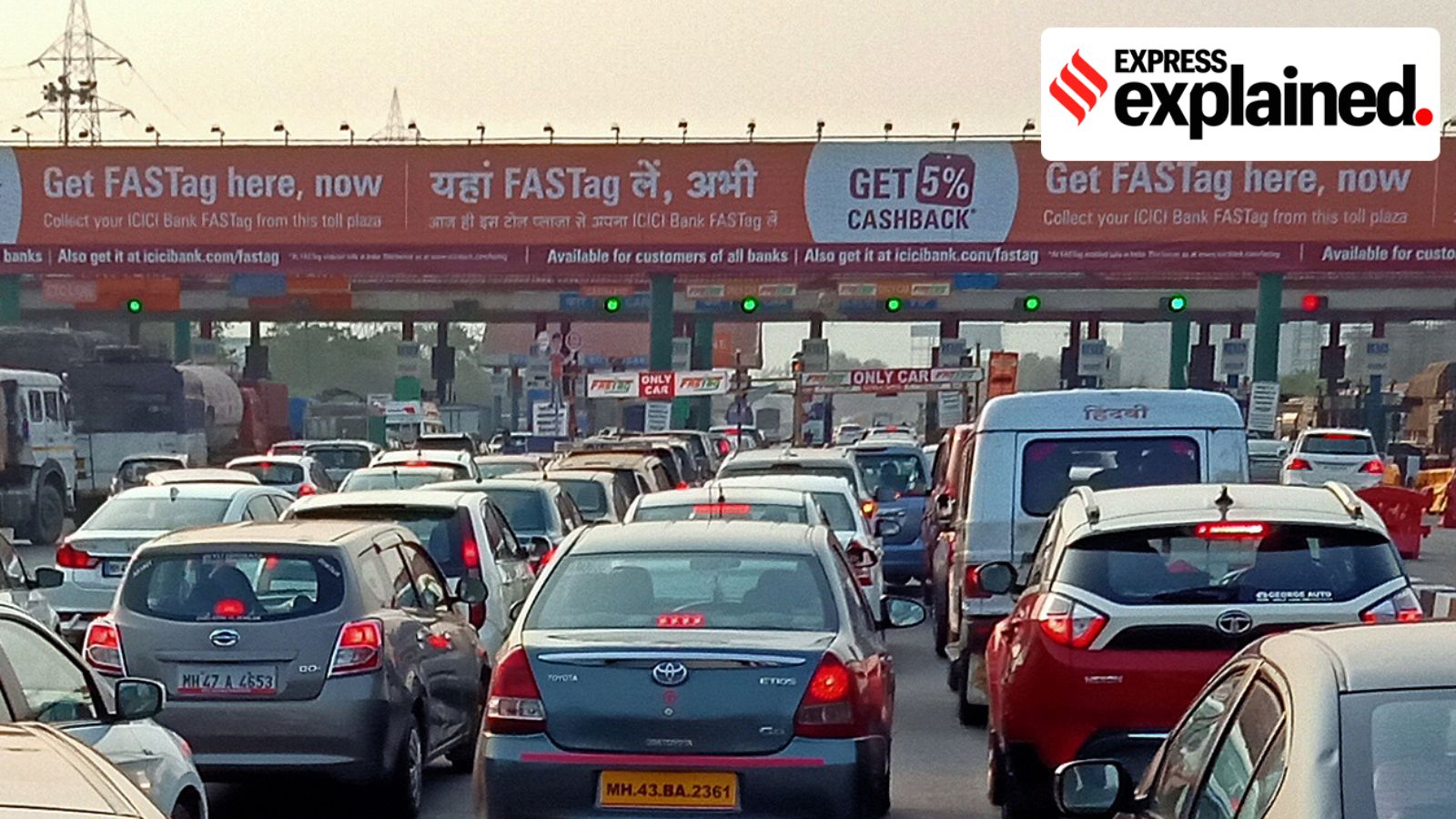
India is testing toll roads where cars can drive through without stopping at a booth.
Cameras and FASTag readers check each vehicle and charge the toll automatically.
If a FASTag does not work or has insufficient money, the driver receives an electronic notice.
The driver has 72 hours to pay the toll.
If they do not pay, the amount becomes twice as large.
At five toll plazas, almost one in every ten vehicles received such a notice between May and July.
Most notices went to cars and jeeps.
The government still wants more of these toll roads because it says they can reduce traffic, travel time, fuel use and pollution.

Five MLFF toll plazas issued 10.52 lakh e-notices among 1.10 crore vehicle crossings between May and July.
Choryasi recorded the highest violation rate at 11.97%, while Mundaka issued the most e-notices at 4.54 lakh.
About 40% of the amount due through e-notices has been recovered, ranging from 20% at Mundaka to over 60% at Choryasi.
Cars and jeeps accounted for more than 91% of e-notices, with their violation rate falling from 15% in May to 9.9% in July.
The government plans to expand MLFF across four-lane and wider national highways and expressways, with nationwide implementation projected by March 2029.
- Who
- The National Highways Authority of India and its tolling implementation agency, Indian Highways Management Company Ltd, are implementing MLFF tolling; affected users include highway vehicle operators.
- What
- Barrier-less Multi-lane Free Flow tolling issued 10.52 lakh e-notices for unpaid tolls among 1.10 crore crossings at five plazas between May and July.
- Where
- The analyzed plazas are Mudaka in Delhi, Choryasi in Gujarat, Gharaunda in Haryana, and Daulatpura and Manoharpura in Rajasthan.
- When
- The system began at Choryasi on May 1 and was introduced at other plazas between May 11 and August 1; the analyzed notices cover May through July.
- Why
- The government is promoting MLFF to reduce toll-plaza congestion and travel time, improve fuel efficiency and lower vehicle emissions.
Government efficiency case
Compliance and collection concerns
Purpose of barrier-less tolling
Government efficiency case
The government says MLFF can reduce congestion and travel time near toll plazas, improve fuel efficiency and lower vehicular emissions.
Compliance and collection concerns
The system has generated substantial non-payment notices because vehicles can pass without paying when their FASTags are invalid, faulty or underfunded.
Expansion versus enforcement
Government efficiency case
The government plans broad expansion, including 12 plazas with awarded contracts and bids for 104 additional plazas.
Compliance and collection concerns
Only around 40% of the amount due through e-notices has been recovered overall, with recovery at about 20% at Mundaka.
Compliance trends
Government efficiency case
Violation rates declined at Choryasi from 15.33% in May to 9.73% in July and at Mundaka from 11.41% to 10.59%.
Compliance and collection concerns
Despite the improvement, nearly 10% of crossings across the five analyzed plazas still resulted in e-notices, and Choryasi’s overall violation rate was 11.97%.
Key facts
- System
- MLFF uses RFID readers and Automatic Number Plate Recognition cameras to read FASTags and vehicle registration numbers at speeds of up to 100 kmph.
- E-notices
- Vehicles with insufficient, invalid, faulty or non-functional FASTags receive an e-notice immediately after crossing.
- Payment deadline
- The toll must be paid within 72 hours; otherwise, the defaulter must pay double the toll amount.
- Total notices
- Five plazas issued 10.52 lakh e-notices during May-July, compared with 1.10 crore vehicle crossings.
- Recovery rate
- Overall recovery against e-notices was around 40%; recovery exceeded 60% at Choryasi and was around 20% at Mundaka.
- Largest vehicle category
- Cars accounted for 9.62 lakh of the 10.52 lakh notices, while cars and jeeps together represented more than 91%.
- Expansion plan
- Contracts have been awarded for 12 additional fee plazas, bids invited for 104 more, and implementation across qualifying national highways and expressways is projected by March 2029.
Quotes
A senior highway official
A highway official discussing recovery of unpaid tolls issued through e-notices
“The highest recovery has been recorded at Choryasi with over 60% share and lowest at Mundaka, where around 20% of the amount is being recovered.”
 indianexpress.com
Sources
Related news
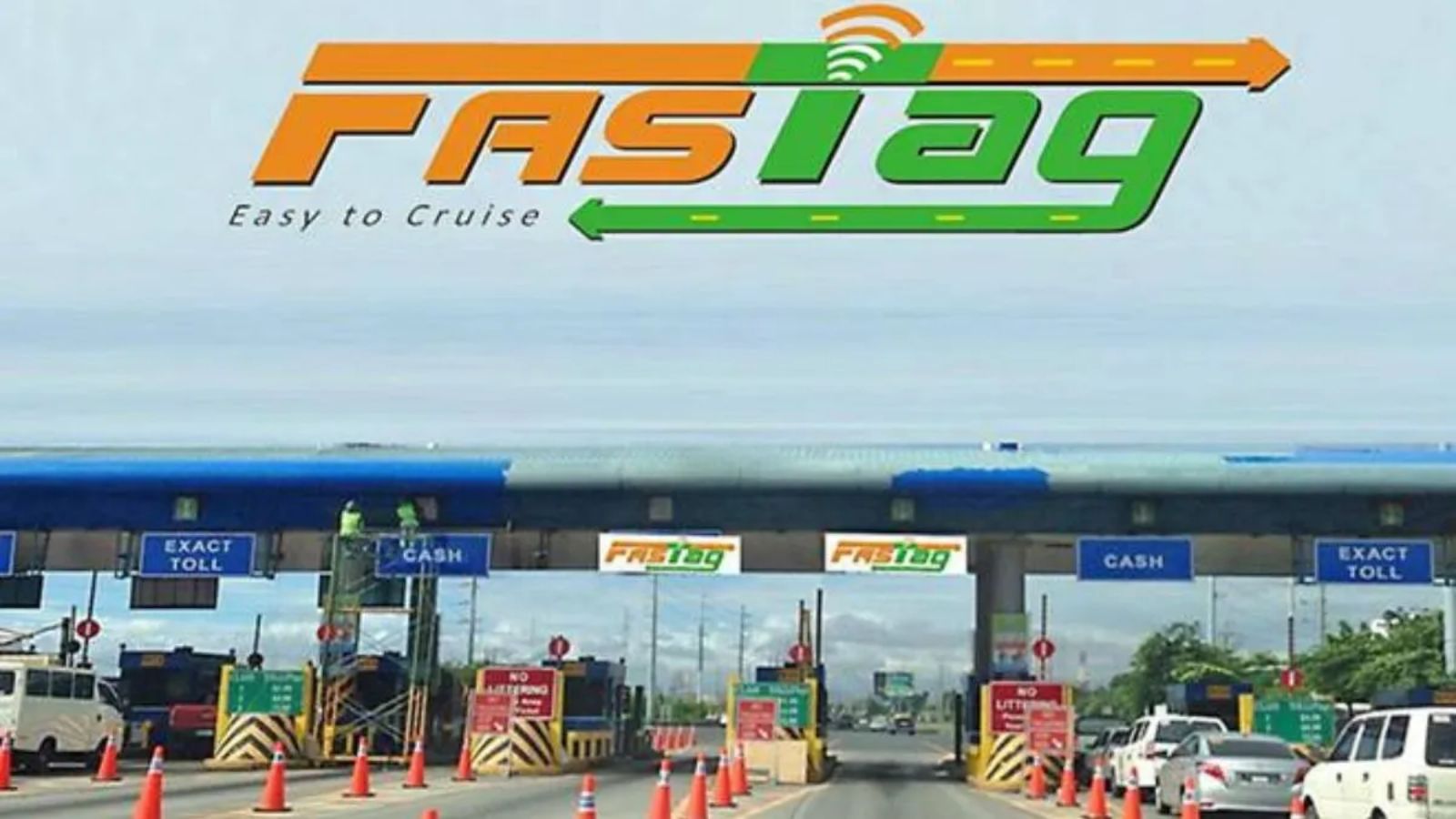
Nearly 1 in 10 vehicles skip barrier-less FASTag toll payments
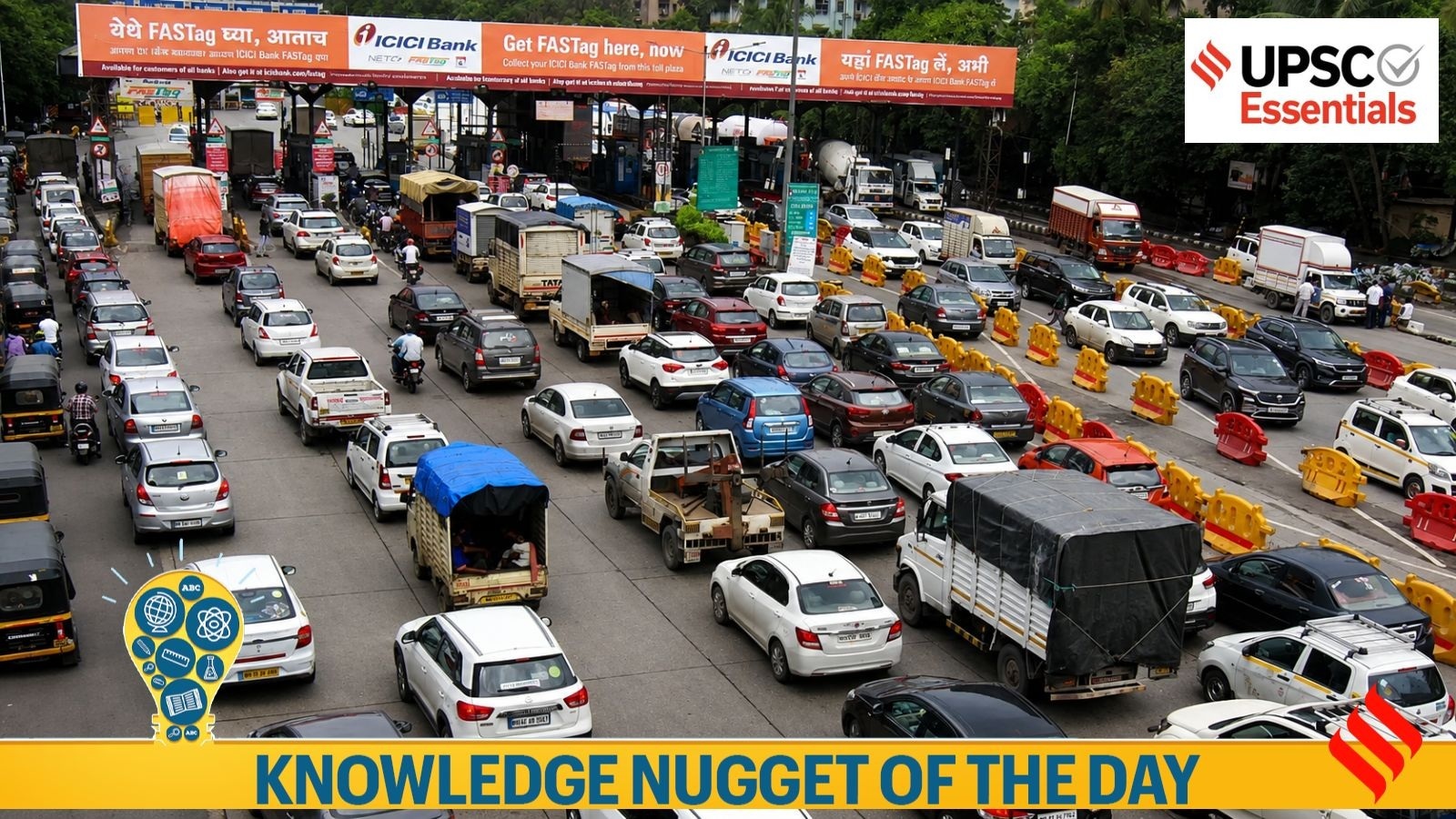
India Expands Barrierless Tolling Through Digital Local Passes

NHAI Expands Online FASTag Local Passes to 121 Plazas
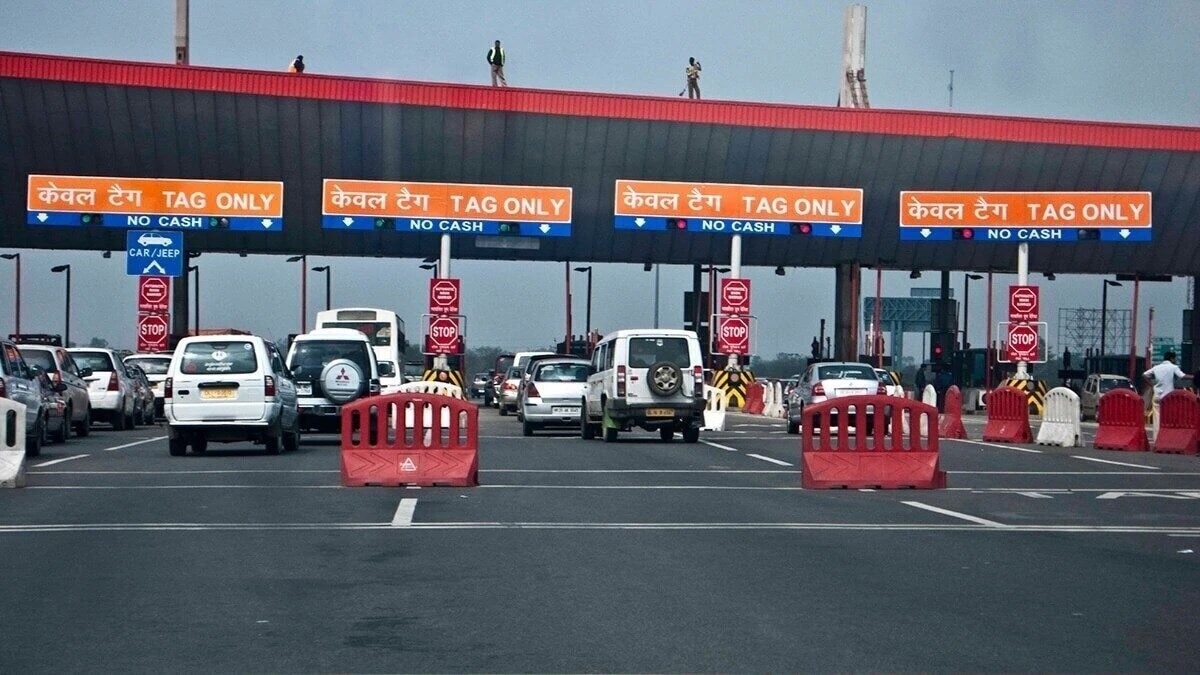
NHAI Expands ₹350 Digital Local Pass to 121 Plazas
ED Searches 14 Premises Over Alleged NHAI Toll Fraud

Kumaraswamy Renews Call to Boycott NICE Road Tolls

Haryana Plans 582 Village Knowledge Centres for Rural Services
UP Minister Visits Ankit Baliyan Family, Promises Strict Action

Congress Questions Haryana’s Falling Sex Ratio Despite Beti Bachao
Haryana Says Ayushman Bharat Health Services Continue Despite IMA Call

Private Hospitals Flag Ayushman Bharat Payment Delays and Claim Deductions
