

1 hr ago
Medieval Manuscripts Trace Sheep Pox Virus Back 3,700 Years
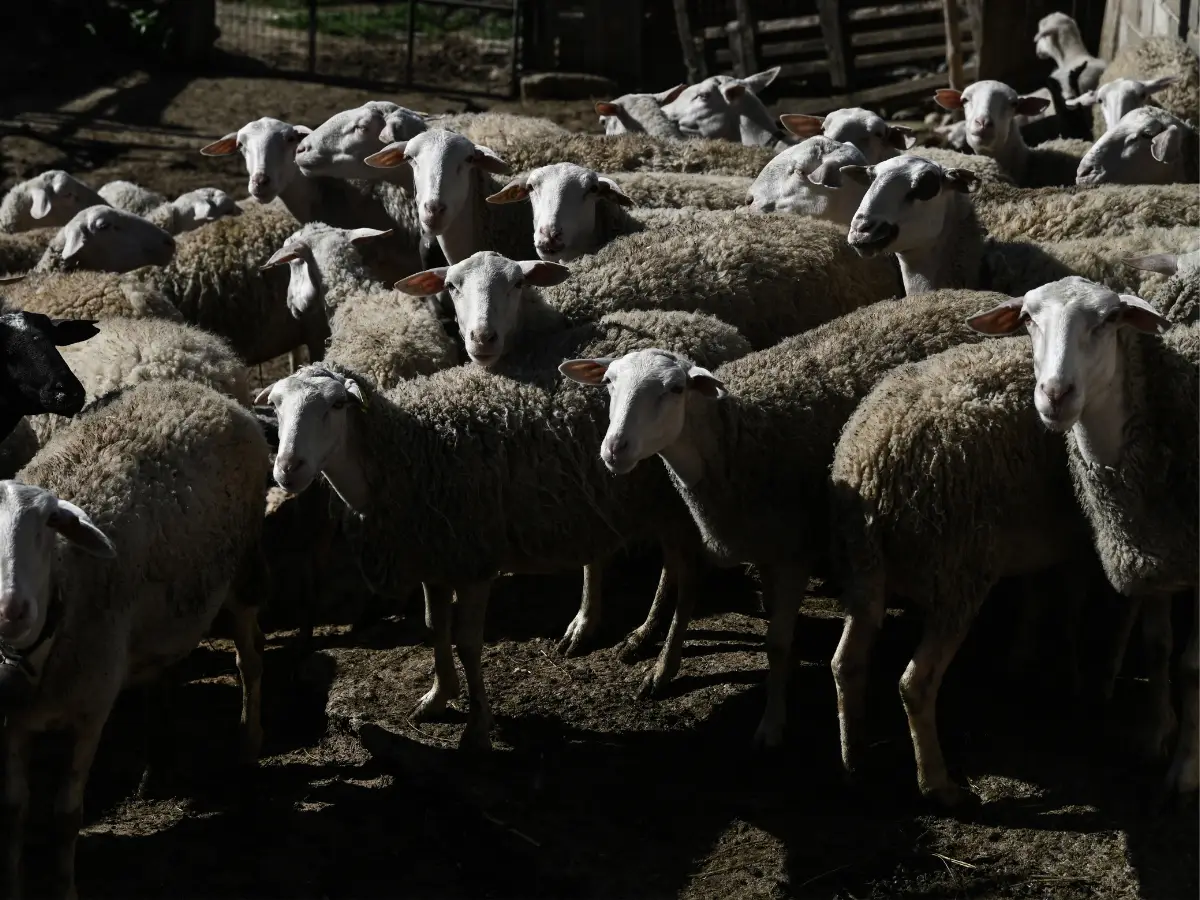
Scientists found that sheep pox is much older than previously understood.
They studied teeth from sheep that lived nearly 3,700 years ago.
They also examined old books and documents made from sheep skin.
Some of these parchments contained traces of the virus.
The York Gospels was one of the documents studied.
Sheep pox can spread quickly and make sheep very sick.
In Greece, nearly 500,000 animals died or were culled during outbreaks in 2025.
Old writers described the disease as skin bumps or pustules.
The research suggests that sheep herders have faced this disease for thousands of years.

Researchers traced sheep pox virus to nearly 3,700 years ago using Bronze Age sheep teeth and historical parchments.
The earliest known evidence came from Bronze Age sheep teeth from the Eurasian steppe.
Researchers found many sheep pox virus genomes in medieval animal-skin documents, including the York Gospels.
Nearly 500,000 animals died or were culled during sheep pox outbreaks in Greece in 2025.
Historical records describe recurring livestock outbreaks and connect them with declines in agricultural production.
- Who
- Researchers led by Louis L'Hôte at University College Dublin.
- What
- A study traced Capripoxvirus sheeppox, or sheep pox, to nearly 3,700 years ago.
- Where
- The evidence came from the Eurasian steppe and medieval European animal-skin documents; recent deaths and culling occurred in Greece.
- When
- The earliest evidence dates to the Bronze Age; many additional virus genomes came from medieval documents, and a major outbreak occurred in Greece in 2025.
- Why
- Researchers studied ancient animal remains and parchment to determine the virus's origins and history.
Key facts
- Disease
- Capripoxvirus sheeppox, commonly called sheep pox
- Estimated age
- Nearly 3,700 years
- Earliest evidence
- Bronze Age sheep teeth from the Eurasian steppe
- Medieval evidence
- Sheep pox virus genomes preserved in animal-skin documents
- Recent impact
- Nearly 500,000 animals died or were culled in Greece in 2025
- Study leader
- Louis L'Hôte of University College Dublin
- Publication
- Science Advances
Quotes
Louis L'Hôte
Researcher at University College Dublin who led the study
“By the Bronze Age period, domestic sheep herds of the Eurasian steppe region were afflicted by a pathogen that today is highly infectious and virulent”
 wionews.com
The researchers
Authors of the study published in Science Advances
“Although present in the Bronze Age, we find a particularly high number of SPPV genomes in the medieval period, associated with animal skin-based documents, implying that infection of sheep was a frequent challenge to European societies of this time”
wionews.com
Sources
Related news

SAT-1 Foot-and-Mouth Disease Reappears Beyond Its Historic Range

Ancient Million-Atomic-Bomb Volcano Discovered Beneath England’s East Coast by Scientists

Plague of Justinian Killed Millions and Weakened Byzantine Empire

Ancient Birth-Control Plant May Have Survived In Turkey

NASA Finds Earth Microbes Could Survive Near Moon’s South Pole

Finland Joins France’s Nuclear Deterrence Initiative in Europe

Twelve European Countries Urge EU to Strengthen Arctic Role

Greek Woman Gives Birth Using Embryo Frozen 22 Years

August 2026 Tied July 2023 as Hottest Month Ever
