

2 hrs ago
SAT-1 Foot-and-Mouth Disease Reappears Beyond Its Historic Range
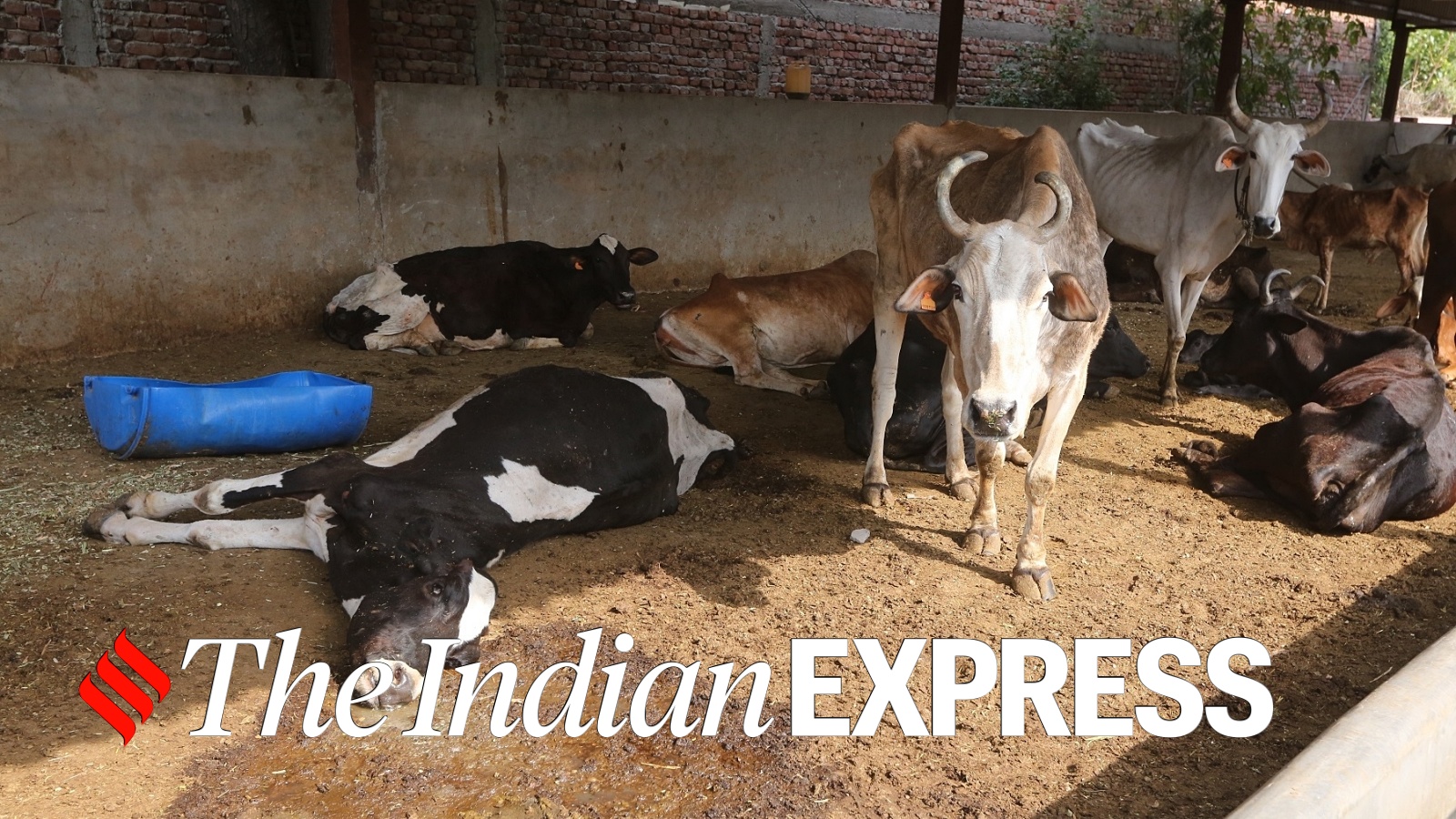
SAT-1 is one type of foot-and-mouth disease virus that affects animals with split hooves.
It was usually linked to parts of southern Africa, but it has recently appeared in more countries.
Some countries reported it for the first time, while others saw it again after about 60 years.
The virus can spread through animals, vehicles, shoes, tools and animal products.
Sick animals may have fever, mouth and foot blisters, drooling, trouble walking and lower milk production.
Young animals can become especially sick and may die from heart complications.
People are not considered to face a significant health threat from this disease.
Farmers can help by vaccinating animals, limiting movement, cleaning equipment and reporting suspected cases quickly.

SAT-1, a foot-and-mouth disease serotype historically associated with southern Africa, has reappeared beyond its usual range after roughly 60 years.
The World Organisation for Animal Health reported first SAT-1 detections in Iraq, Kuwait, Egypt and Azerbaijan in 2025.
In 2026, Israel, Cyprus, Palestine, China and Mongolia reported their first occurrences, while Türkiye, Lebanon and Greece reported its return after decades.
The virus can spread through infected animals, livestock movement, trade, contaminated vehicles, equipment, footwear and animal products.
Experts recommend vaccination against the relevant serotype, farm biosecurity, animal isolation and prompt veterinary reporting; there is no specific antiviral treatment.
- Who
- Cloven-hoofed livestock, including cattle, buffaloes, pigs, sheep and goats, are affected; the World Organisation for Animal Health reported the detections.
- What
- The SAT-1 serotype of foot-and-mouth disease has appeared in new areas and returned to some regions after about 60 years.
- Where
- The serotype has been reported in parts of Europe, the Middle East and Asia, as well as countries traditionally outside its southern African range.
- When
- Initial 2025 reports came from Iraq, Kuwait, Egypt and Azerbaijan; first reports from several other countries and renewed reports in others occurred in 2026.
- Why
- Its spread is concerning because foot-and-mouth disease is highly contagious and can harm livestock productivity, farmer incomes, food production and trade.
Key facts
- Disease
- Foot-and-mouth disease, specifically the SAT-1 serotype
- Historical association
- SAT-1 has traditionally been associated with parts of southern Africa.
- 2025 reports
- Iraq, Kuwait, Egypt and Azerbaijan reported SAT-1 in 2025.
- 2026 first reports
- Israel, Cyprus, Palestine, China and Mongolia reported their first occurrences in 2026.
- 2026 renewed reports
- Türkiye, Lebanon and Greece reported SAT-1 again after around 60 years.
- Main symptoms
- Fever, mouth and foot blisters, excessive salivation, lameness, reduced appetite and declining milk production.
- Prevention
- Use veterinary-guided vaccination, reduce animal mixing and movement, disinfect equipment and isolate suspected animals.
Quotes
Dr Sagar Patange
Head Veterinarian and Surgeon at Karma Foundation
“There is no specific antiviral treatment that eliminates FMD; management is primarily focused on supportive care and preventing further transmission, alongside disease-control measures recommended by veterinary authorities,”
 indianexpress.com
“FMD SAT-1 is one of the seven serotypes of the foot and mouth disease virus. It has traditionally been associated with parts of Africa, which is why its detection in regions outside its usual range is significant,”
indianexpress.com
Sources
Related news

African swine fever detected at Thrissur pig breeding unit
Over 300 cattle vaccinated to protect wildlife from foot-and-mouth disease
Central, Arunachal teams intensify measures to contain FMD outbreak
Horse Smuggling Exposes Gaps in U.S. Screwworm Defenses
Rabies Exposure Warning Issued After North Carolina Petting Zoo Cases
