1 hr ago
Greek Woman Gives Birth Using 22-Year-Frozen Embryo
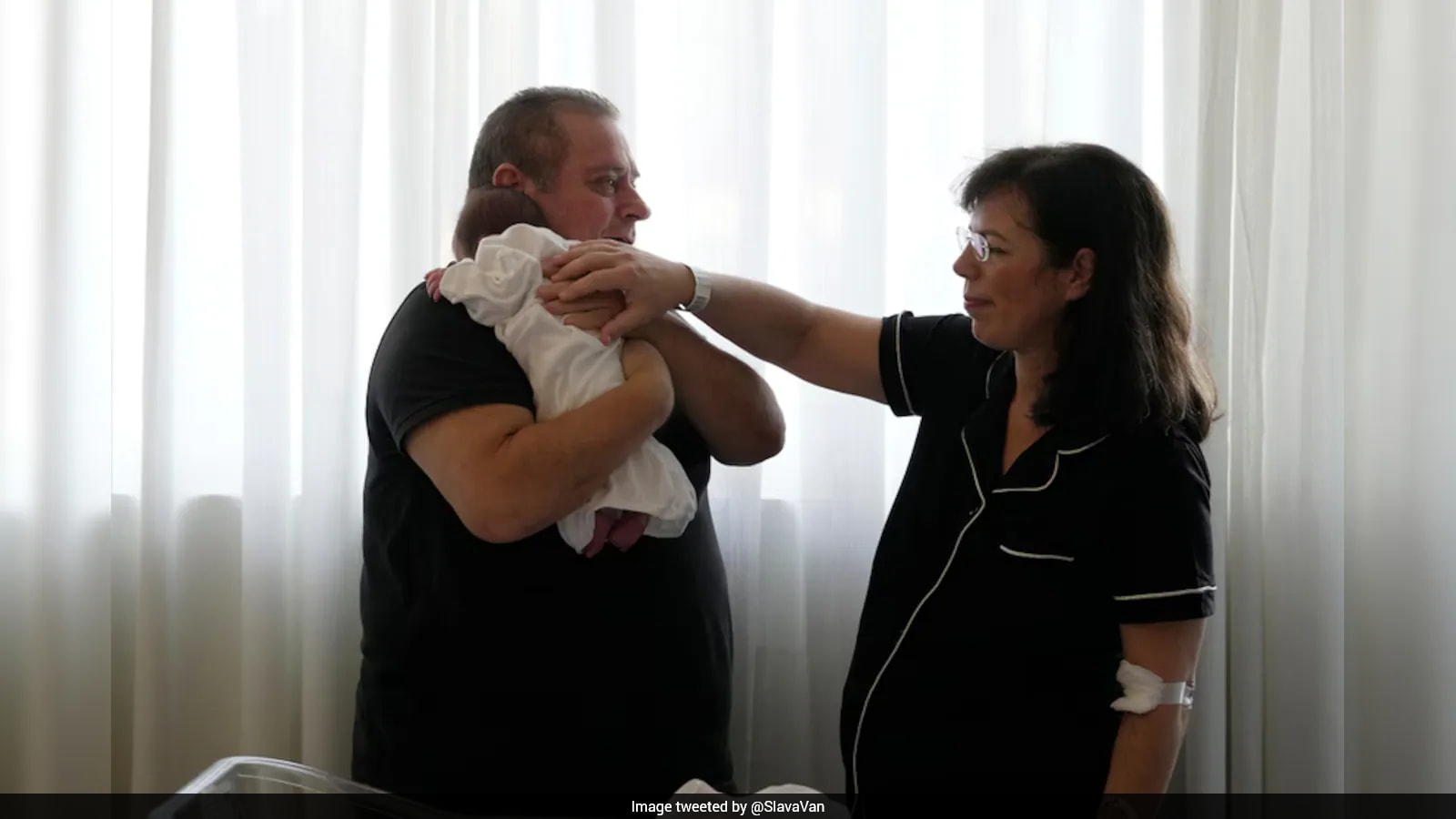
A Greek couple had saved embryos by freezing them many years ago.
After their adult son died in a road accident, they decided to try to have another baby.
One of the embryos had been frozen for more than 22 years.
The mother was 54, which is close to Greece’s age limit for IVF treatment.
The couple needed special permission to proceed.
The treatment worked, and they had a healthy baby girl in Athens.
They named her Georgia to remember their late son, Giorgos.
Their doctor says Greece should think again about its IVF age rules.
He believes some parents should not lose the chance to have a child because of the restriction.

A 54-year-old Greek woman gave birth to a baby girl using an embryo frozen for more than 22 years.
Cristina Rapti-Tzelepi and Constantinos Raptis conceived after their 21-year-old son, Giorgos, died in a road accident.
The couple received approval from Greece’s national reproductive medicine authority because Rapti-Tzelepi was approaching the country’s IVF age limit.
The baby, named Georgia after Giorgos, was born at an Athens hospital on Wednesday, September 9, weighing 3.49 kilograms.
Gynaecologist Kostas Pantos said Greece’s rule barring IVF after age 54 may be too strict and should be reconsidered.
- Who
- Cristina Rapti-Tzelepi and her husband, Constantinos Raptis, with gynaecologist Kostas Pantos involved in the treatment.
- What
- A 54-year-old woman gave birth to a baby girl using an embryo frozen for more than 22 years.
- Where
- At a hospital in Athens, Greece.
- When
- The birth took place on Wednesday, September 9; the embryo had been frozen for more than 22 years.
- Why
- The couple wanted another child after their 21-year-old son, Giorgos, died in a road accident, and they used a previously cryopreserved embryo.
Arguments for reviewing the IVF age limit
Arguments for retaining the restriction
Access to treatment after age 54
Arguments for reviewing the IVF age limit
Kostas Pantos said the rule is very strict and argued that it may be time to change, particularly as Greece faces a declining birth rate.
Arguments for retaining the restriction
Greece’s current regulations generally prevent women over 54 from undergoing IVF, and the reported case required special approval because the mother was approaching the limit.
Parental choice
Arguments for reviewing the IVF age limit
Pantos said having a child is a right that parents should not be deprived of because of the age restriction.
Arguments for retaining the restriction
The existing law places a clear upper age boundary on IVF treatment, with treatment not allowed from age 54 and one day.
Key facts
- Mother’s age
- 54
- Embryo storage period
- More than 22 years
- Baby
- A girl named Georgia
- Birth weight
- 3.49 kilograms
- Birth location
- A hospital in Athens
- Greece’s IVF age limit
- Women are generally barred from IVF after age 54
- Required approval
- The couple obtained permission from Greece’s national reproductive medicine authority
Quotes
Cristina Rapti-Tzelepi
The 54-year-old Greek mother who gave birth using the long-frozen embryo.
“We decided to give life a second chance, to make a new start, bring new life into our home and keep our family's story going.”
 NDTV
NDTV
“My wish for her is to grow up healthy and happy, full of joy like our first child, who filled our home with laughter.”
NDTV
Dr Kostas Pantos
The woman’s gynaecologist and head of the Hellenic Society of Reproductive Medicine.
“The law is very strict: 54 plus one day is not allowed. Maybe it's time for it to change.”
NDTV
Sources
Related news

Kerala High Court Extends Surrogacy Eligibility Until Husband Turns 56

Kerala High Court Allows Couple’s IVF Despite Age Limit

Gujarat High Court Clears IVF Bid After Son’s Suicide
Gujarat Couples Challenge IVF Age Cutoff Amid Advanced-Pregnancy Risks
Egg Freezing: Safety, Risks, Storage Limits and Success Uncertainties
30 Children Feared Caught Up in Northern Cyprus IVF Scandal

August 2026 Tied July 2023 as Hottest Month Ever

Samantha Says Raj Chose Her Rs 1.5 Crore Engagement Ring

SAT-1 Foot-and-Mouth Disease Reappears Beyond Its Historic Range

Mecca Defence Alliance Reshapes West Asian Security Calculus for India