2 weeks ago
Ancient Birth-Control Plant May Have Survived In Turkey
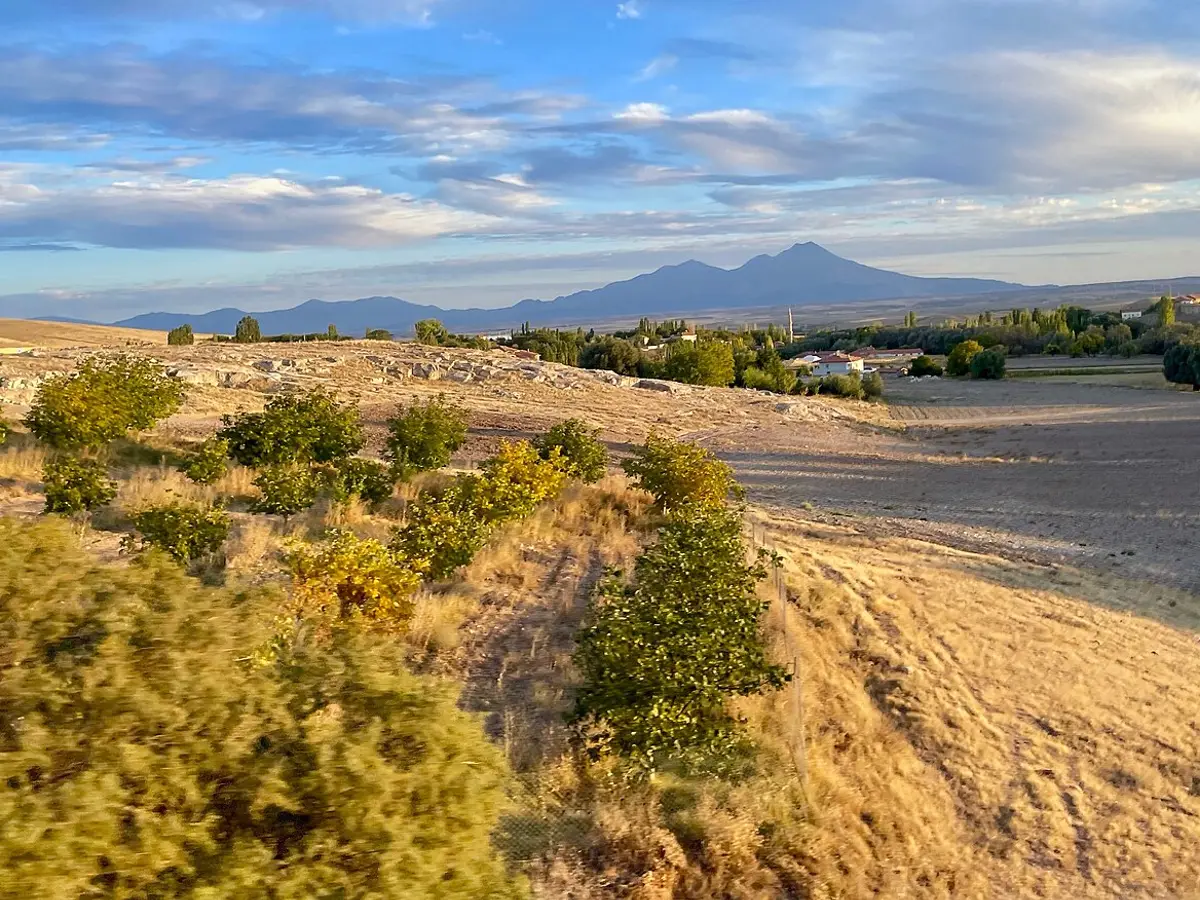
Silphium was a very valuable plant used by people long ago.
Ancient Greeks, Romans, and Egyptians used it to treat illnesses.
They may also have used it to prevent pregnancy.
The plant grew near modern-day Libya but disappeared from records about 2,000 years ago.
Romans valued it so much that it was said to be worth as much as silver.
A Roman writer reported seeing the last known stalk in the first century AD.
Now, a professor in Turkey says a similar plant may still exist there.
The plant is called Ferula Drudeana and has yellow flowers and a thick root.
Scientists still need to determine whether it is truly the lost silphium.

A plant believed extinct for about 2,000 years has been found in Turkey.
Silphium was used by Ancient Greeks, Romans, and Egyptians for medicine and contraception.
Roman records say silphium was once valued as highly as silver.
The plant was last documented in the first century AD by Pliny the Elder.
Professor Mahmut Miski believes Turkey’s Ferula Drudeana may be the ancient silphium.
- Who
- Professor Mahmut Miski and researchers studying the Turkish plant Ferula Drudeana; ancient Greeks, Romans, and Egyptians previously used silphium.
- What
- A plant in Turkey may be the silphium, an ancient medicinal and contraceptive plant believed to have gone extinct.
- Where
- Ferula Drudeana was found in two locations on Mount Hasan in Turkey; historical silphium was documented along the coast of modern-day Libya.
- When
- The plant was believed to have disappeared about 2,000 years ago; the possible rediscovery is current.
- Why
- Mahmut Miski believes the Turkish plant matches ancient descriptions and images of silphium and may share its medicinal properties.
Possible Rediscovery
Historical Extinction
Identity of the Turkish plant
Possible Rediscovery
Mahmut Miski says Ferula Drudeana may be silphium because its branching root and yellow flowers resemble ancient descriptions and images on Greek coins.
Historical Extinction
Historical accounts identify silphium as a Mediterranean plant that disappeared from records, and the article does not establish that Ferula Drudeana is definitively the same species.
Medicinal properties
Possible Rediscovery
Ferula Drudeana contains anticancer compounds and has anti-inflammatory properties, which Miski says are consistent with the plant’s reported medicinal reputation.
Historical Extinction
The article does not confirm that the modern plant has all the medicinal or contraceptive effects attributed to ancient silphium.
Key facts
- Ancient name
- Silphium, also called silphion
- Possible modern identity
- Ferula Drudeana
- Discovery location
- Mount Hasan, Turkey
- Historical range
- The coast of Cyrenaica, modern-day Libya
- Historical uses
- Medicine, cooking, and contraception
- Historical value
- Records say silphium was valued at the same price as silver during Julius Caesar’s rule
- Last written record
- Pliny the Elder described a final stalk in the first century AD
Quotes
Mahmut Miski
Professor at Istanbul University researching ancient medicinal plants
“Ferula Drudeana that grows on Mount Hasan is the same ancient plant with magical medicinal properties.”
 wionews.com
Sources
Related news
Ancient Roman Shipwreck With Hundreds of Amphorae Discovered Off Sicily

Shampoo Ginger Offers Conditioning, But Not Proven Haircare Replacement
New Tamil Nadu Herb Highlights Coastal Dune Biodiversity
Rare Alexander the Great-era silver coin for sale in Australia

Holy Sepulchre Excavation Finds Clues Consistent With Jesus’ Burial