

11 hrs ago
Ladakh Plans Glacier-Water Diversion to Restore Shrinking Tso Kar Lake
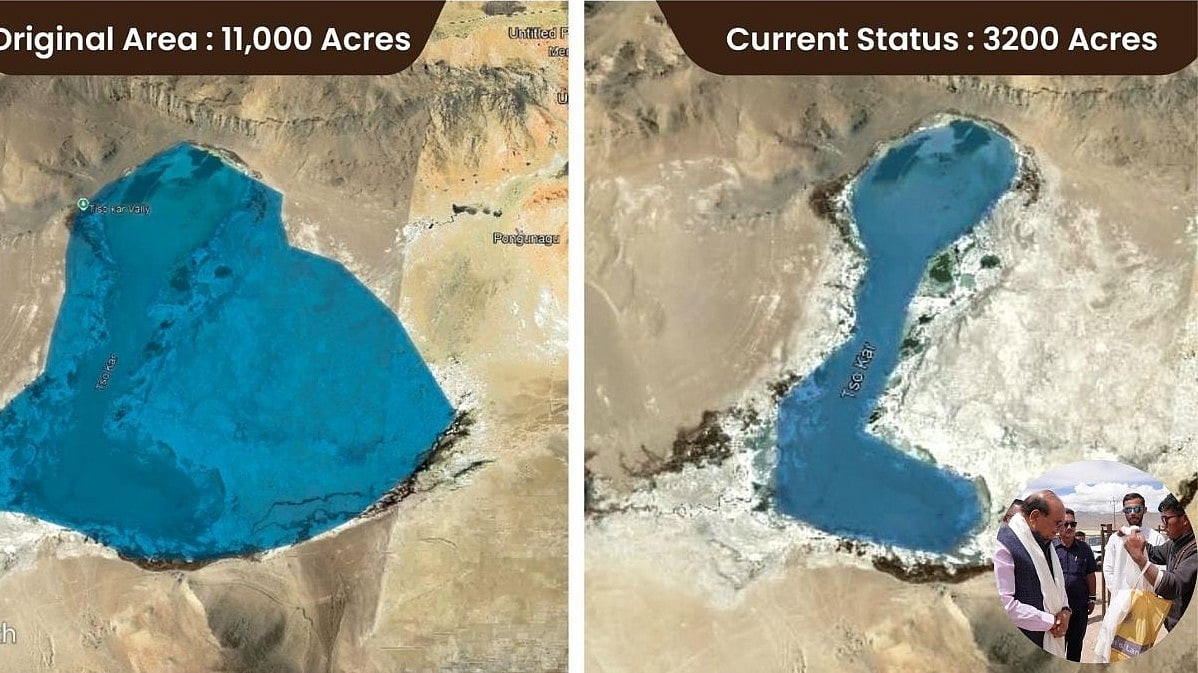
Tso Kar is a lake high in the mountains of Ladakh.
Its water level has fallen by almost 70 percent in the last ten years.
Ladakh officials want to bring water from the Rupsho Kharnak glacier to the lake.
The proposed channel could provide about 320 million litres of water each day during the relevant flow period.
The lake is home to birds and other wildlife.
It is especially important for the migratory black-necked crane.
Officials hope the project will protect the lake and its surrounding wetlands.
They also say the restored area could support tourism and provide more habitat for birds.

Ladakh Lieutenant Governor VK Saxena has proposed restoring Tso Kar Lake with glacier-fed water.
The plan would channel about 320 million litres of water daily from Rupsho Kharnak glacier.
Tso Kar Lake has reportedly declined by nearly 70 per cent over the past decade.
The high-altitude wetland supports wildlife and migratory birds, including the black-necked crane.
Officials say the project could strengthen the lake’s ecosystem and create new habitats and tourist destinations.
- Who
- Ladakh Lieutenant Governor VK Saxena and the Ladakh administration.
- What
- A project to channel glacier water into Tso Kar Lake and restore its ecological health.
- Where
- Tso Kar Lake on Ladakh’s Rupshu plateau, using water from the Rupsho Kharnak glacier in Changthang District.
- When
- The water would be diverted daily during the relevant flow period; the articles do not specify a project completion date.
- Why
- To address the lake’s declining water levels and protect its wetland ecosystem and wildlife habitat.
Key facts
- Proposed water supply
- About 320 million litres per day, equivalent to an average 132 cusecs.
- Water source
- Rupsho Kharnak glacier stream in Changthang District.
- Lake decline
- Tso Kar’s water body has reportedly reduced by nearly 70 per cent in the last decade.
- Lake altitude
- Nearly 15,000 feet.
- Ecological significance
- The lake and surrounding wetlands support wildlife and migratory birds, including the black-necked crane.
- Earlier administration project
- About 90 million litres of Stok Glacier water were channelised into canals serving Igoo-Phey and Chuchot villages.
- Climate conditions
- Temperatures were described as below 10 degrees Celsius in summer and minus 20 to 30 degrees Celsius in winter.
Sources
Related news
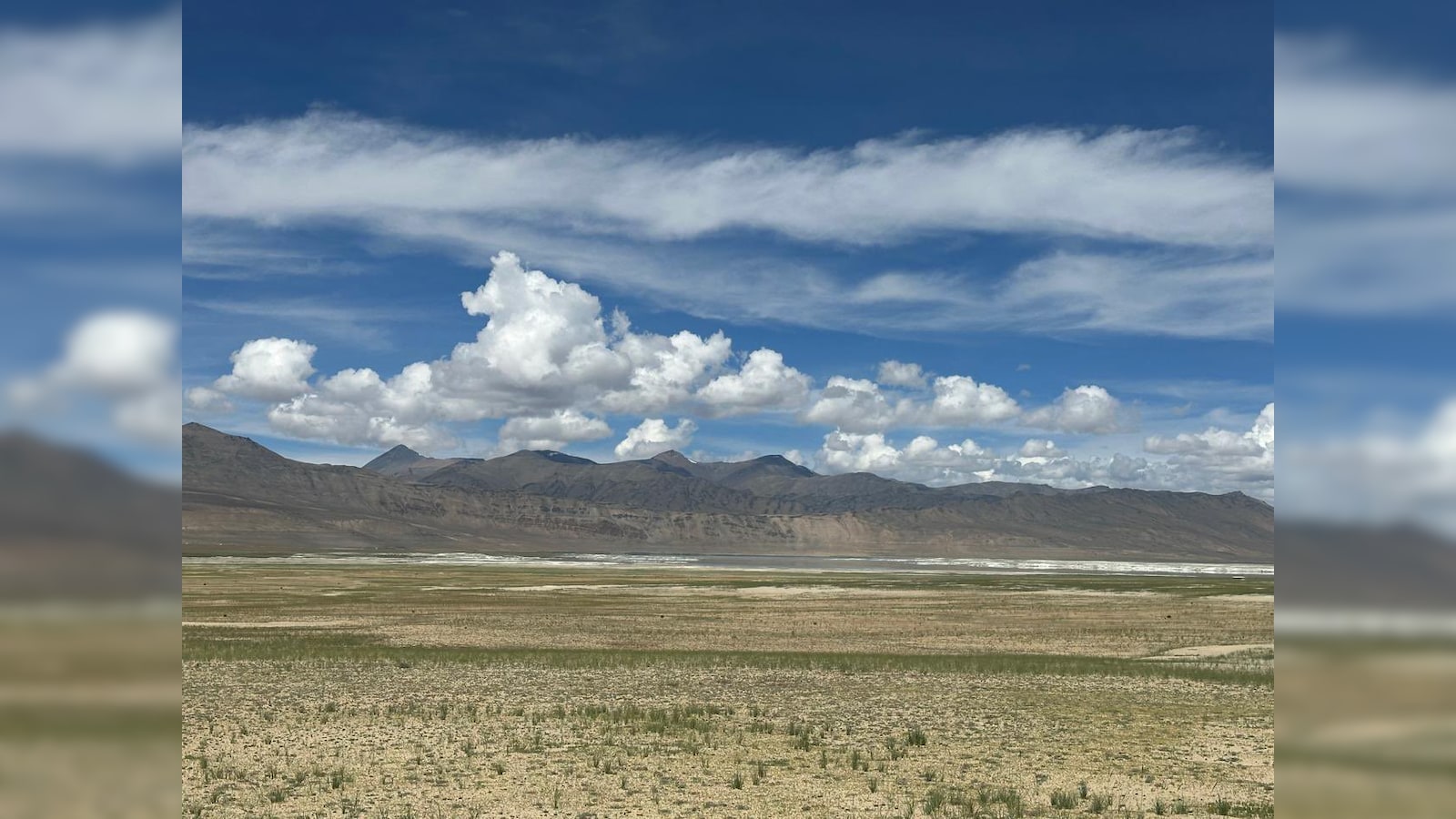
Ladakh Channels Glacier Water to Revive Shrinking Tso Kar Lake

Ladakh Diverts Glacier Water to Revive 1,000 Acres

Ladakh Diverts Glacier Water to Revive 1,000 Acres

Ladakh Ponds Filled With Glacier Meltwater in Five Months
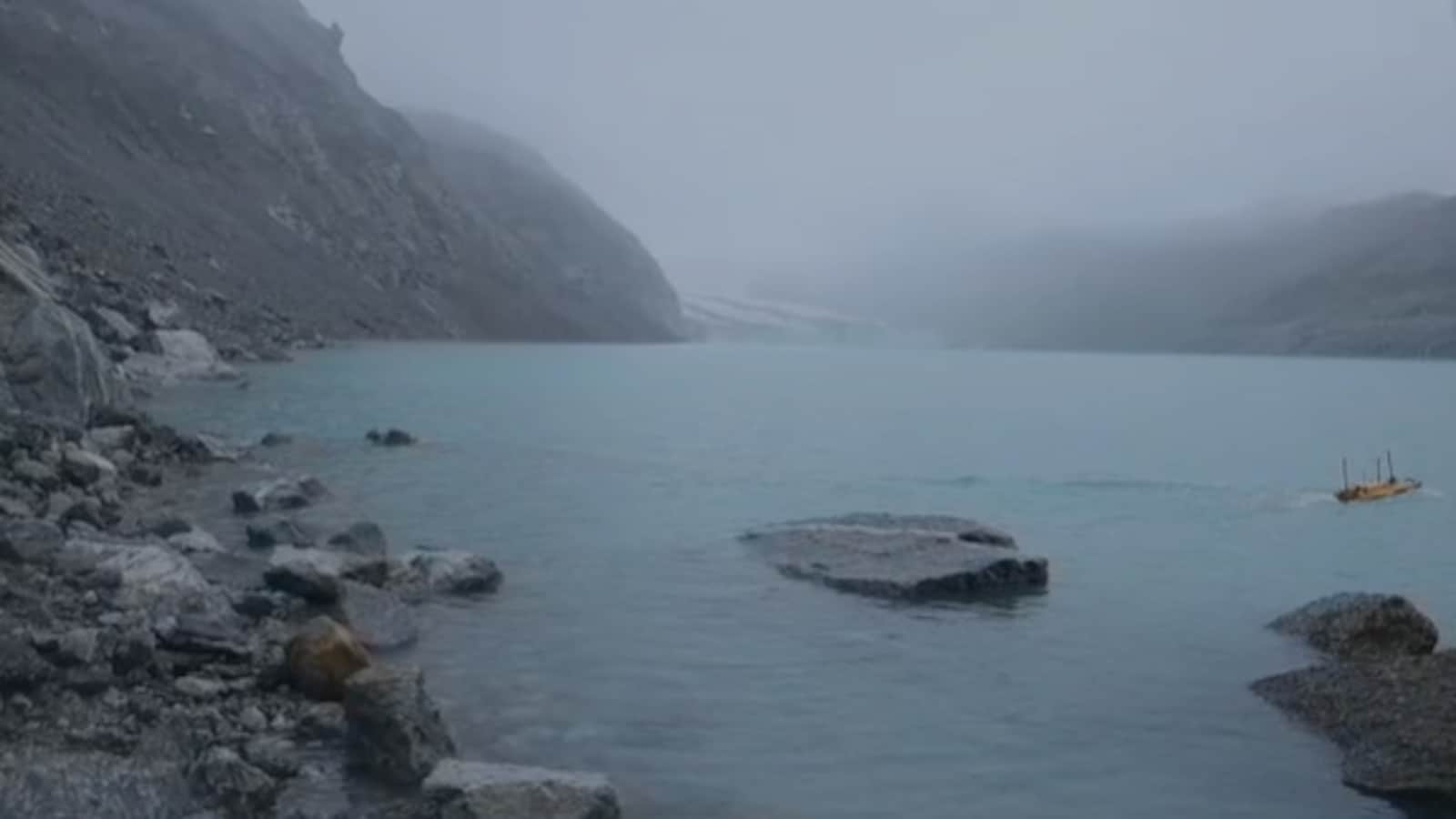
Sikkim Proposes Engineering Solutions to Mitigate Glacial Flood Risks
UNDP, Ladakh Renew Biodiversity Partnership for Himalayan Conservation
BNHS sterilises over 2,950 dogs to save black-necked cranes
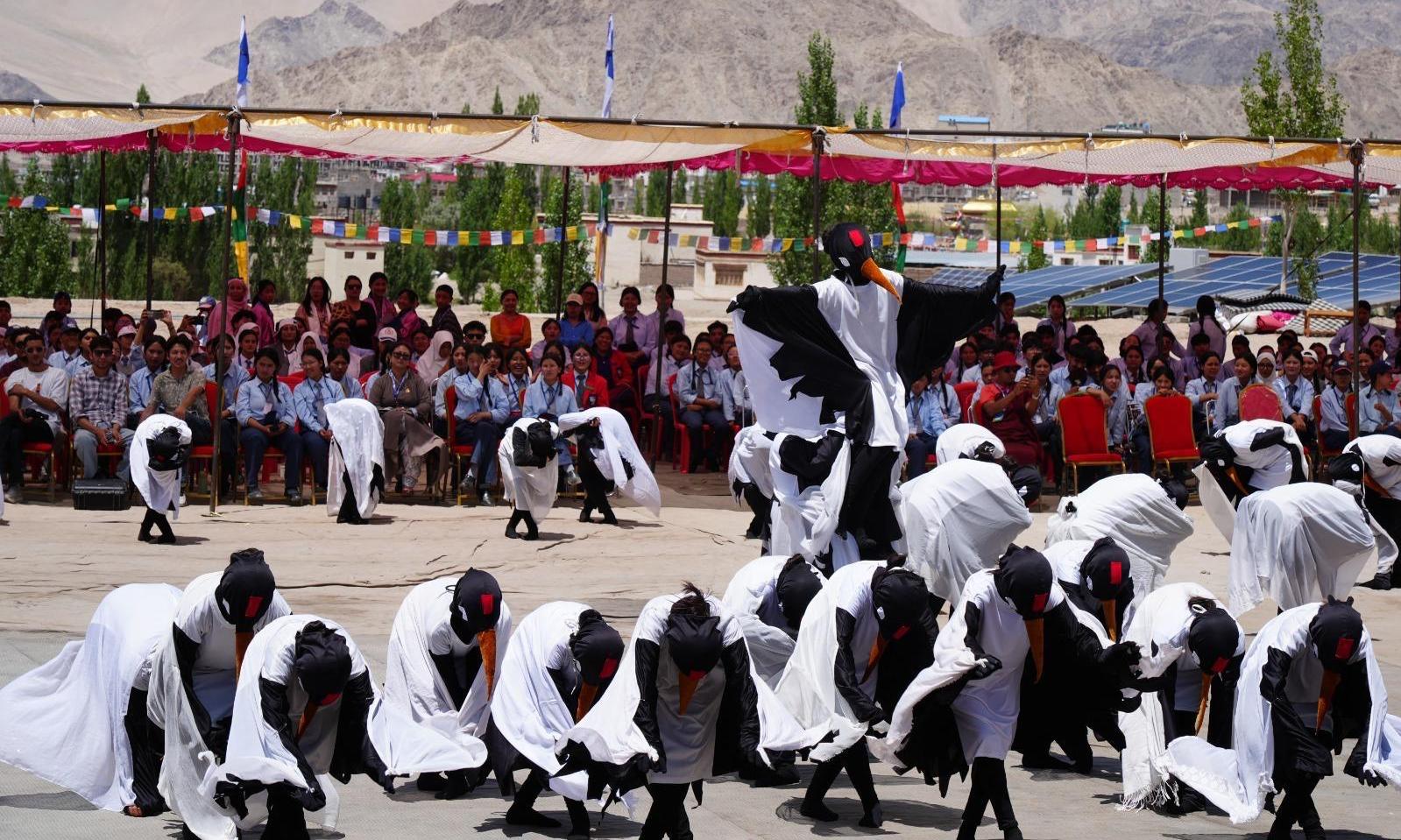
Ladakh Hosts India's First Black-Necked Crane Festival
