3 weeks ago
India Says Mild Economic Shocks Manageable Within Fiscal Deficit Target
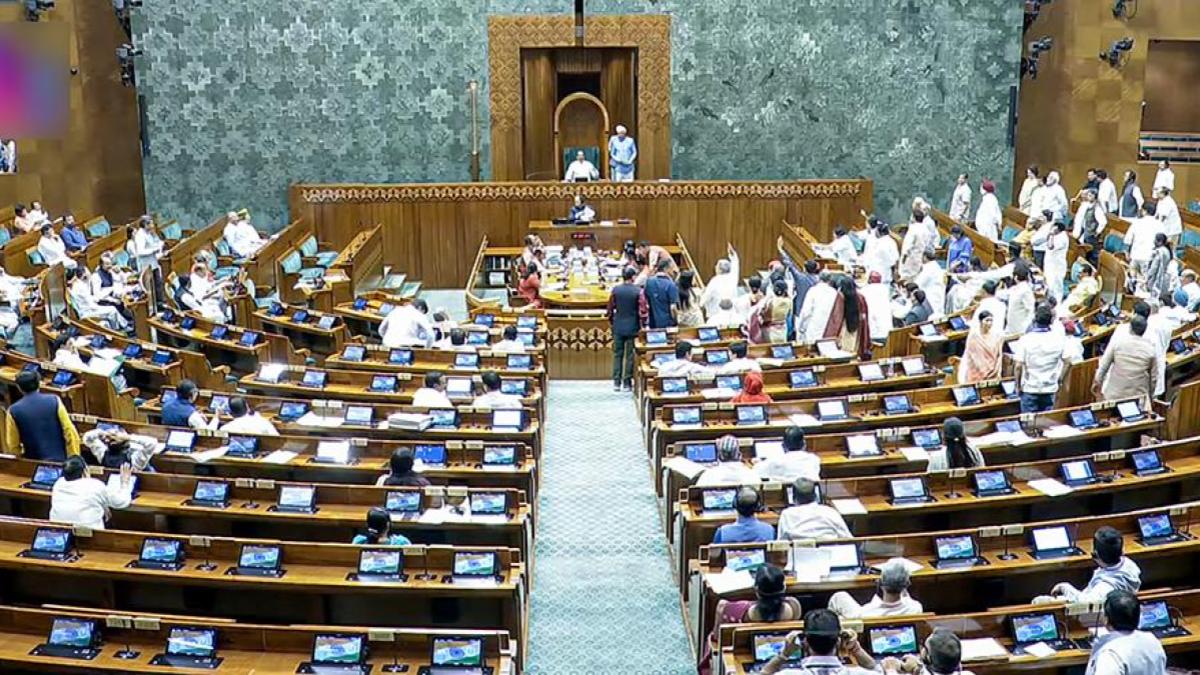
The Indian government told a group of lawmakers that it is ready for small money problems that might come up soon.
It said it will still be able to meet its promise of not borrowing too much money this year.
The government has saved a big safety net called the Economic Stabilisation Fund, worth Rs 1 lakh crore, like a piggy bank for tough times.
It also planned carefully, expecting to collect a bit less tax than usual.
India wants its borrowing, called the fiscal deficit, to stay at 4.3% of the country's earnings.
A top government economist said things stay fine if oil stays under $90 a barrel.
But if oil gets very expensive, close to $130, money plans could get harder.
The government is worried about world events near West Asia that could make oil prices jump.
Some states in India are also struggling to save money.
That's why the government is watching carefully and keeping its safety net ready.

The finance ministry told Parliament's Standing Committee on Finance that India can absorb near-term shocks of mild intensity without immediately breaching its fiscal deficit target.
It cited the Rs 1 lakh crore Economic Stabilisation Fund and a conservative gross tax revenue buoyancy assumption of 0.8 as buffers.
The FY27 Budget pegs the fiscal deficit target at 4.3% of GDP.
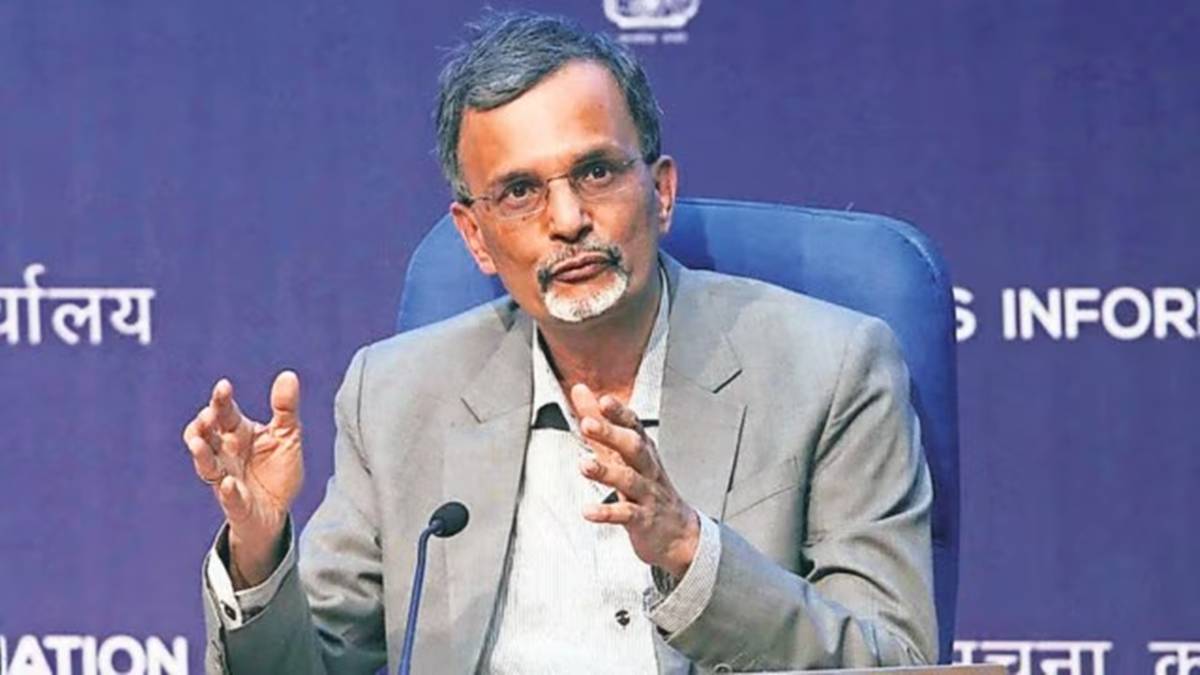
Chief Economic Adviser V. Anantha Nageswaran said growth of 7–7.4% and inflation near 2% remain possible at oil prices up to $90 a barrel, but prices near $130 could strain fiscal calculations.
Of 18 states examined in an April 2026 review, nine projected revenue deficits and ten were expected to cross the 3% fiscal deficit threshold.
- Who
- India's finance ministry (Department of Economic Affairs), Chief Economic Adviser V. Anantha Nageswaran, and the Standing Committee on Finance, chaired by BJP MP Bhartruhari Mahtab.
- What
- The ministry told the parliamentary panel that India can absorb near-term mild economic shocks without immediately breaching its fiscal deficit target, citing the Economic Stabilisation Fund and conservative tax assumptions.
- Where
- India
- When
- In the context of the FY27 Union Budget and an April 2026 review of state finances, in the new financial year.
- Why
- To address uncertainty from West Asia-related oil price risks and concerns about fiscal stability and state finances.
Government's confident outlook
Concerns over state finances
Capacity to absorb shocks
Government's confident outlook
Conservative tax assumptions and the Rs 1 lakh crore Economic Stabilisation Fund give the Centre room to absorb near-term shocks of mild intensity without immediately deviating from the fiscal deficit target.
Concerns over state finances
States, which account for a major share of public spending, face growing financial pressures: nine of 18 project revenue deficits and ten are expected to cross the 3% fiscal deficit threshold, with committed spending leaving less room for capital investment.
Exposure to oil price shocks
Government's confident outlook
At oil prices up to $90 a barrel, growth of 7–7.4% and inflation near 2% remain possible, and India entered the new financial year with confidence despite West Asia-induced uncertainty.
Concerns over state finances
If oil prices climb towards $130 a barrel, India's fiscal calculations could face a storm.
Key facts
- Fiscal deficit target (FY27)
- 4.3% of GDP
- Economic Stabilisation Fund
- Rs 1 lakh crore
- Gross tax revenue buoyancy assumption
- 0.8 (below historical average)
- Growth outlook at oil up to $90/barrel
- 7–7.4%
- Inflation outlook at oil up to $90/barrel
- Near 2%
- Risky oil price threshold
- Towards $130 per barrel
- States projecting revenue deficits
- 9 of 18 examined
- States expected to cross 3% fiscal deficit
- 10 of 18 examined
Quotes
Director, Economic Affairs (DEA)
Official from India’s Department of Economic Affairs
“The fiscal consolidation path adhered to in recent years, coupled with the Budget’s conservative assumption of a gross tax revenue buoyancy of 0.8, which is below the historical average, and the creation of an Economic Stabilisation Fund (Rs 1 lakh crore) in the public account, provides room for fiscal interventions, the latter specifically offers flexibility to absorb near‑term shocks of mild intensity without immediately deviating from the fiscal deficit target.”
 financialexpress.com
Sources
Related news
Fiscal Deficit Seen Near 4.3% Despite West Asia Shock
India’s Fiscal Deficit Reaches 26.8% of FY27 Target
Sitharaman Says India Meets FY26 Deficit Target, Sets Debt Goal

RBI Forex Swap Draws $136.37 Billion, Led by FCNR(B)

India’s GDP Growth Beats Expectations at 7.8% in First Quarter
FCNR Inflows Strengthen India’s External Position Amid Global Uncertainty
India’s GDP Grows 7.8% Despite West Asia Crisis
India's GDP Growth Beats Expectations Amid Persistent Economic Risks