

1 day ago
FCNR Inflows Strengthen India’s External Position Amid Global Uncertainty
India received a large amount of foreign money through bank deposits and other inflows.
Much of this money came through FCNR(B) deposits, which are deposits held in foreign currencies by non-resident Indians.
The Reserve Bank of India created a special currency-swap facility to improve foreign-exchange liquidity.
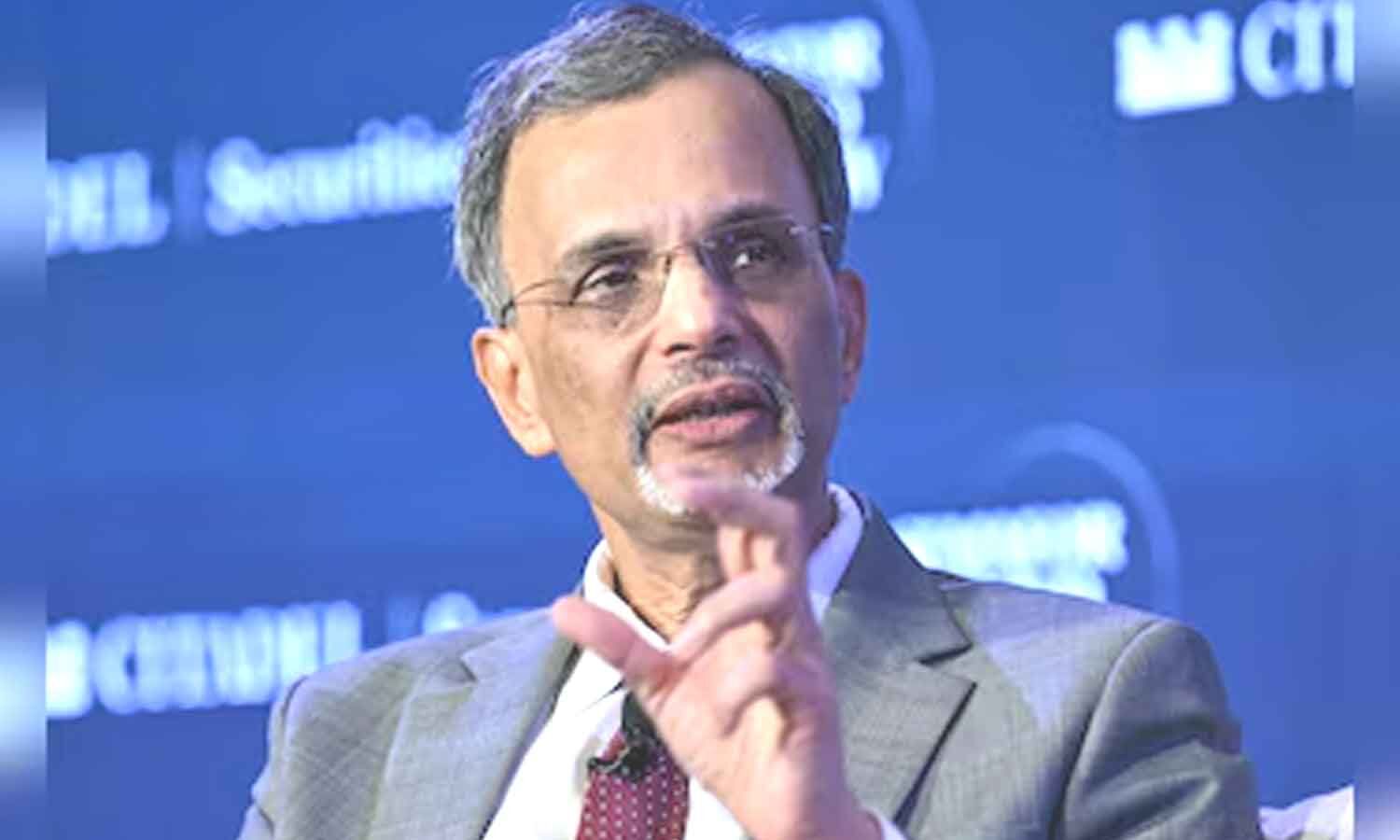
The Chief Economic Adviser said these inflows help India pay for imports and support the rupee against the US dollar.
India’s economy grew 7.8% from April to June.
This was slower than the 8.6% growth in the previous quarter but stronger than expected.
Manufacturing and services performed well, while agriculture grew more slowly than a year earlier.
Officials remain positive about India’s economy but warn that global conflicts, energy prices, interest rates and food prices could create problems later.

India attracted USD 56.84 billion through recent foreign-exchange inflows, including USD 52.3 billion in FCNR(B) deposits.
Chief Economic Adviser V. Anantha Nageswaran said FCNR(B) mobilisation strongly supports the balance of payments and provides a floor for the rupee against the US dollar.
The Reserve Bank of India introduced a special USD-INR forex swap facility on June 8, 2026, covering FCNR(B) deposits, ECBs and OFCB inflows.
India’s GDP grew 7.8% in April-June, the first quarter of fiscal year 2026-27, faster than expected but below the previous quarter’s 8.6% growth.
Nageswaran said domestic momentum and exports remain strong, while interest rates, energy supplies, food prices and West Asia-related uncertainty pose global risks.
- Who
- The Reserve Bank of India and Chief Economic Adviser V. Anantha Nageswaran are central to the report; India’s economy and non-resident depositors are also involved.
- What
- FCNR(B) inflows supported India’s balance of payments and currency, while the economy recorded 7.8% first-quarter GDP growth.
- Where
- India, with effects on the Indian rupee’s value against the US dollar.
- When
- The reported quarter was April-June of fiscal year 2026-27; the RBI introduced the forex-swap facility on June 8, 2026, and Nageswaran commented on Monday after the GDP release.
- Why
- The RBI sought to strengthen India’s external position and foreign-exchange liquidity amid global market uncertainty.
Domestic Resilience
Global Risks
Economic outlook
Domestic Resilience
Nageswaran said strong domestic momentum, export performance and structural reforms have supported another quarter of very strong growth.
Global Risks
He warned that unresolved global issues could eventually affect economic activity in India.
External stability
Domestic Resilience
The CEA said FCNR(B) mobilisation strongly supports the balance of payments and provides a floor for the rupee against the US dollar.
Global Risks
Global uncertainty involving interest rates, energy supplies, food prices and the West Asia conflict could pressure India’s external and economic position.
Growth drivers
Domestic Resilience
Manufacturing and services performed well, and government efforts helped prevent war-related disruptions from affecting input supplies.
Global Risks
Agriculture grew 3.6%, down from 4.4% in the year-ago period, showing that performance was not equally strong across all sectors.
Key facts
- Total inflows
- USD 56.84 billion
- FCNR(B) inflows
- USD 52.3 billion
- GDP growth
- 7.8% in April-June, fiscal year 2026-27
- Previous-quarter GDP growth
- 8.6%
- RBI facility
- Special USD-INR forex swap facility introduced June 8, 2026
- Agriculture-sector growth
- 3.6%, compared with 4.4% in the year-ago period
- Sectors supporting growth
- Manufacturing and services performed strongly; agriculture, livestock, forestry and fishing grew more slowly
Quotes

V Anantha Nageswaran
Chief Economic Advisor to the Government of India
“RBI’s successful mobilisation of FCNR deposits lends a very strong level of support for the balance of payments and also provides a floor on the Indian rupee vis-a-vis the United States dollar.”
 thehansindia.com
“And at some point, they may have an impact on economic activity in the country.”
thehansindia.com
Sources
Related news

India Draws Record $127 Billion Through Special FCNR Window

RBI expects healthy balance-of-payments surplus in FY27

India’s Forex Reserves Hit Record High on Foreign Inflows

FCNR(B) Inflows Cross $100 Billion as RBI Closes Window

India’s Foreign Currency Facility Draws $72.85 Billion
RBI Forex Swap Draws $136.4 Billion, Led by FCNR(B) Deposits

Iran Condemns US Strikes, Reports Defensive Attacks on Regional Bases

Trump Floats Renaming Strait of Hormuz as ‘Trump Strait’

Chevron Plans $7 Billion Venezuela Expansion Amid U.S. Oil Push

BFI London Film Festival Spotlights South Asian and MENA Cinema

Yair Netanyahu Evacuated From US After Significant Threat