1 week ago
Oseltamivir Remains Effective for H1N1, But Timing Matters
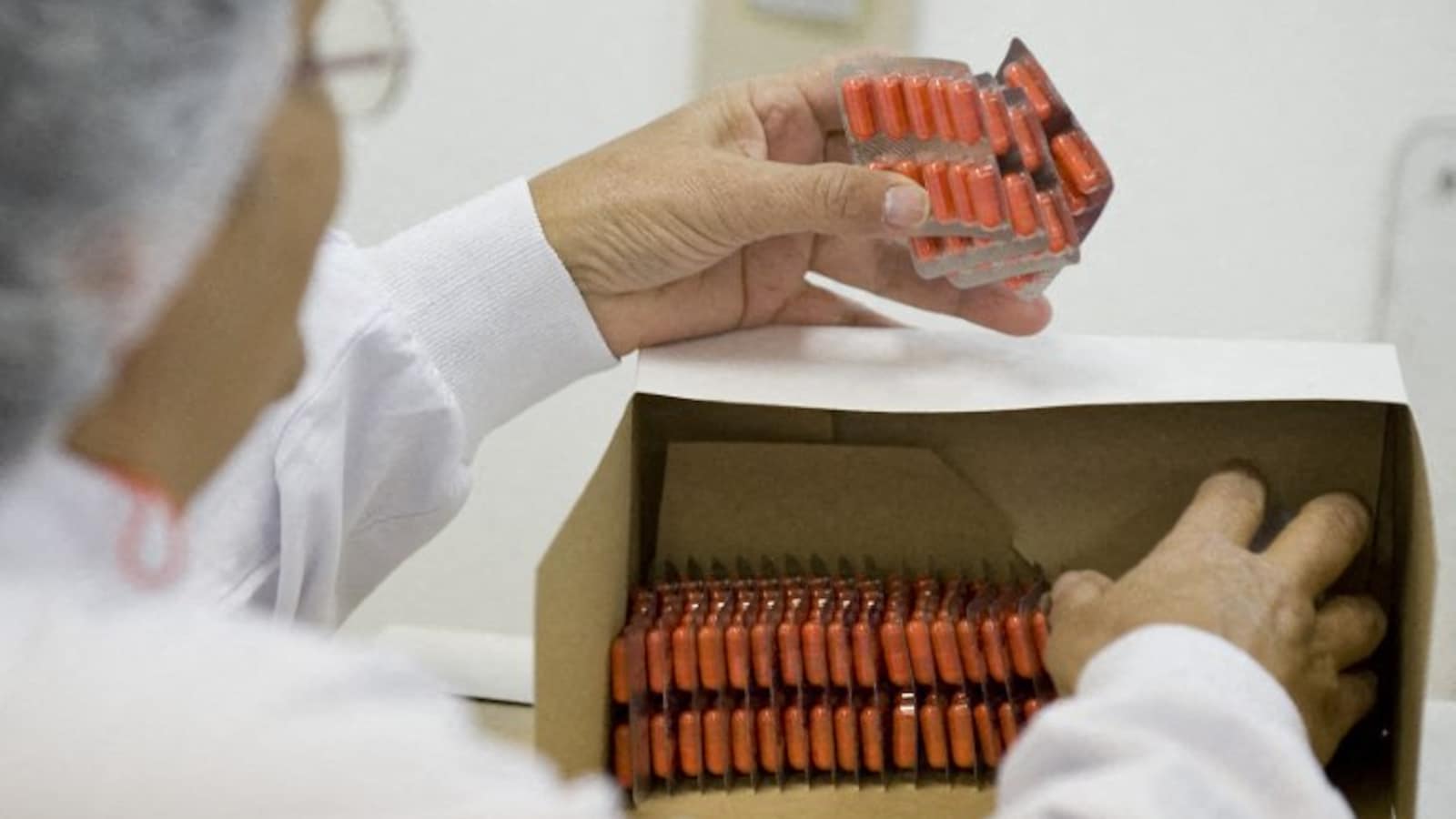
H1N1 is a virus that can cause fever, sore throat and coughing.
Oseltamivir, also called Tamiflu, is a medicine that can slow influenza viruses down.
It works best when a doctor starts it within about two days of symptoms.
People who are very sick or at higher risk may still benefit from it later.
Not everyone with a cough or fever needs this medicine.
Antibiotics such as azithromycin do not kill influenza viruses.
Doctors decide whether oseltamivir is needed based on symptoms and health risks.
Most tested H1N1 viruses in India still respond to oseltamivir, but doctors continue to monitor resistance.

Oseltamivir remains an established antiviral for influenza A and B, including H1N1.
Treatment works best within 48 hours, though later use may help severe or high-risk patients.
Doctors say it should not be routinely used for every cough, fever or flu-like illness.
Azithromycin and other antibiotics do not treat influenza because it is caused by a virus.
Indian surveillance shows most tested H1N1 viruses remain susceptible, although reduced susceptibility has been detected in a small number.
- Who
- Doctors, the World Health Organization, and India’s National Centre for Disease Control discussed oseltamivir use during rising H1N1 cases.
- What
- The reports explain how oseltamivir treats influenza, when it should be used, and why antibiotics do not treat H1N1.
- Where
- Delhi and Bengaluru, India, with evidence and guidance also discussed internationally.
- When
- During the current rise in H1N1 cases; treatment is most beneficial when started within 48 hours of symptoms.
- Why
- To clarify whether oseltamivir remains effective, identify who may benefit, and address concerns about resistance and antibiotic misuse.
Evidence Supporting Early Treatment
Limits and Cautions
Effect on serious illness
Evidence Supporting Early Treatment
Observational studies from the 2009 pandemic associated earlier neuraminidase-inhibitor treatment with lower mortality, especially among hospitalised patients.
Limits and Cautions
A systematic review found only a modest reduction in symptom duration among otherwise healthy adults and did not establish a mortality benefit in its 2009 H1N1 analysis.
Who should receive it
Evidence Supporting Early Treatment
Doctors and WHO guidance support prompt treatment for severe, progressive or high-risk influenza, including when clinical suspicion is strong.
Limits and Cautions
Experts stress that oseltamivir should not be taken routinely for every cough, fever or flu-like illness, and self-medication is not advisable.
Resistance concerns
Evidence Supporting Early Treatment
Current Indian surveillance indicates continued sensitivity among most tested H1N1 viruses, so widespread community resistance is not currently reported.
Limits and Cautions
Influenza can develop mutations that reduce drug susceptibility; resistance should be considered if confirmed cases worsen or fail to improve, particularly in severely immunocompromised patients.
Key facts
- Medicine
- Oseltamivir is the active drug; Tamiflu is a brand name.
- Drug class
- Oseltamivir is a neuraminidase inhibitor.
- Viruses treated
- It is active against influenza A and B, including A(H1N1)pdm09.
- Best timing
- Treatment generally provides the greatest benefit when started within 48 hours of symptom onset.
- Higher-risk groups
- Older adults, young children, pregnant women, people with chronic illnesses, and immunocompromised people may face greater risk of severe influenza.
- Antibiotics
- Azithromycin and other antibiotics do not treat influenza because influenza is caused by a virus.
- Resistance
- Most tested H1N1 viruses in India remain susceptible to oseltamivir, while a small number with reduced susceptibility have been detected.
Quotes
Dr Niraj Kumar
Senior Consultant, Internal Medicine, ShardaCare-HealthCity
“it is not an antibiotic and should not be taken routinely for every episode of fever, cough or cold.”
 NDTV
NDTV
“The key message is that oseltamivir still works, but timing and patient selection matter.”
NDTV
Sources
Related news

Doctors Explain Who Needs Tamiflu for H1N1 and Why

H1N1 cases in Delhi jump sixfold; doctors urge caution

IMA Warns Against Self-Medication Amid India’s Seasonal H1N1 Surge

Doctor Warns H1N1 Treatment Timing Matters Within 48 Hours

H1N1 Cases Rise in Delhi as Doctors Warn

Swine Flu Risk Lies in Treatment Delays, Not Pigs

Tata Elxsi, Sarla Aviation Partner on India’s Electric Air Taxi

India-Brazil Friendly Tickets Sell Out as Kolkata Anticipates Clash

Advocate Seeks Removal of Burial Sites from Bengaluru Kala Grama

Shivakumar Calls BJP Padayatra Cover-Up for Internal Crisis

Futura MedTech Appoints Abhishek Bhargava as Group CEO