1 week ago
Swine Flu Risk Lies in Treatment Delays, Not Pigs
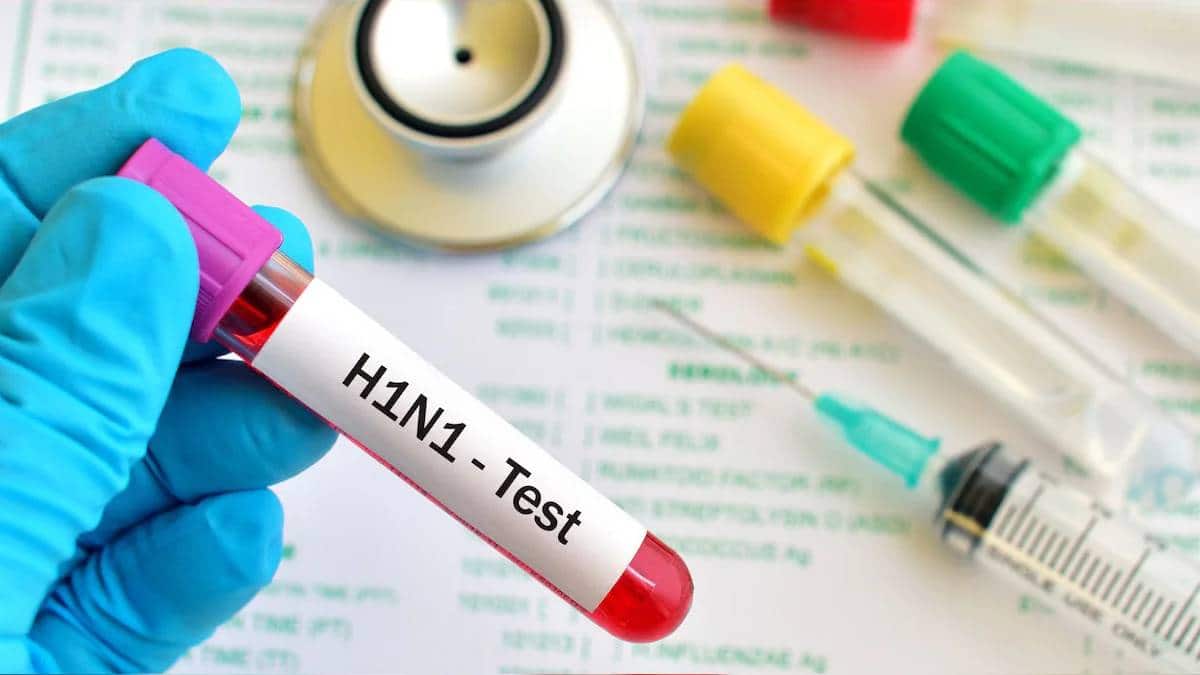
“Swine flu” is really one type of the seasonal flu that spreads between people.
It does not come from eating pork or touching pigs.
Flu can cause fever, cough, sore throat, body aches and tiredness.
A laboratory test can identify the strain, but waiting for the result may take too long.
The article says medicine works best when started within about two days of symptoms.
Pregnant women, young children, older people and people with certain illnesses face greater risks.
Health workers should give these patients medicine when flu is suspected instead of waiting for a test.
States should keep medicines available in local health centres and offer vaccines before the flu season.
The article says measuring treatment delays could show how well the health system is responding.

The illness called “swine flu” is seasonal human influenza, not a disease caught from pigs or pork.
The article argues that delayed treatment, rather than unusually severe virus activity, is a major cause of flu deaths in India.
Recent studies found that early oseltamivir treatment can reduce deaths, intensive-care admissions and hospital stays.
High-risk patients should receive treatment on clinical suspicion without waiting for a swab or laboratory result.
States are urged to stock medicines locally, vaccinate priority groups and track time from first symptoms to treatment.
- Who
- People with seasonal influenza, especially pregnant women, children under five, older adults and people with heart, lung, kidney or diabetes-related conditions; state health departments are responsible for preparedness.
- What
- The article calls for faster suspected-flu treatment, local medicine supplies, priority vaccination and measurement of treatment delays.
- Where
- Across India, with rising cases reported in Delhi, Mumbai, Bengaluru and Chennai; Odisha is discussed as preparing before a later peak.
- When
- During the annual monsoon-associated flu season, with another seasonal peak expected after the monsoon withdraws.
- Why
- To reduce deaths and severe illness caused by delays in starting oseltamivir and other appropriate treatment.
Key facts
- Disease
- Seasonal human influenza, commonly called “swine flu” in public discussion
- Transmission
- Person-to-person spread through coughs, sneezes and contaminated hand-to-eye contact
- Treatment window
- Oseltamivir works best when started within about 48 hours of the first symptoms
- Testing
- The article says testing should support surveillance rather than delay treatment for high-risk patients
- Priority groups
- Pregnant women, children under five, older adults and people with heart, lung, kidney or diabetes-related conditions
- Vaccination
- One annual vaccine covers the three human flu strains described in the article
- Preparedness measures
- Stock medicines at block level and below, vaccinate before the season and issue standing instructions for closed institutions
Sources
Related news
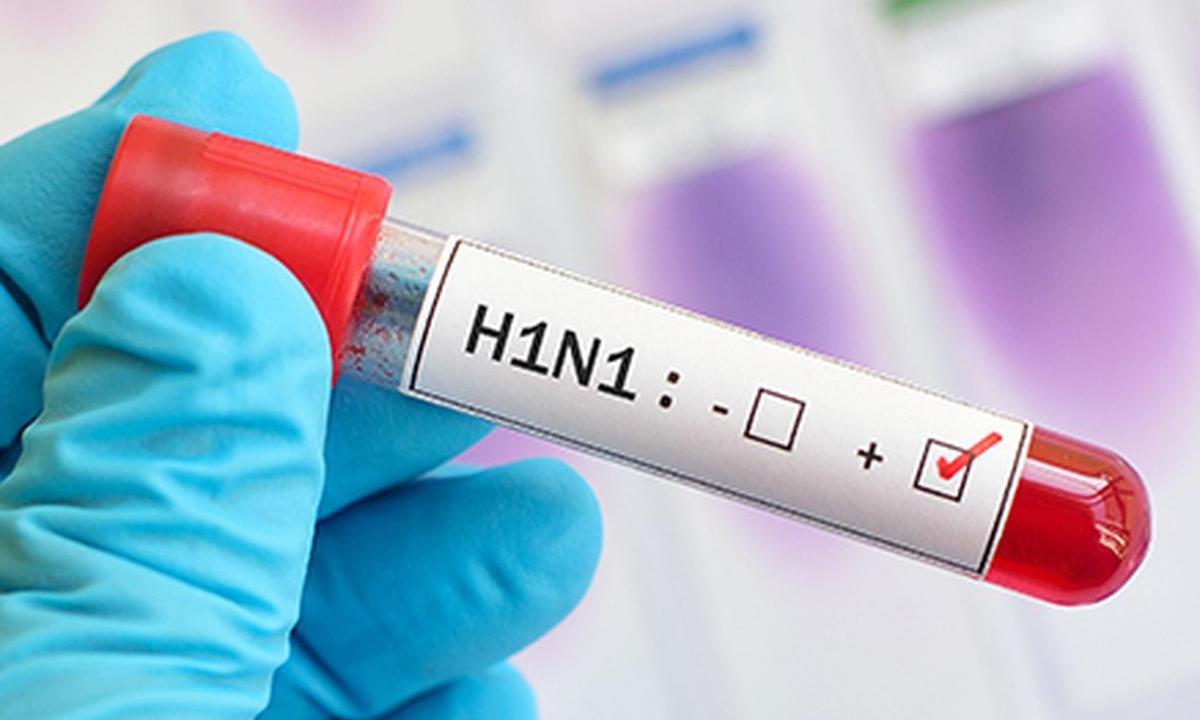
Delhi Reports Over 1,700 Swine Flu Cases During Monsoon Surge

Doctor Warns H1N1 Treatment Timing Matters Within 48 Hours
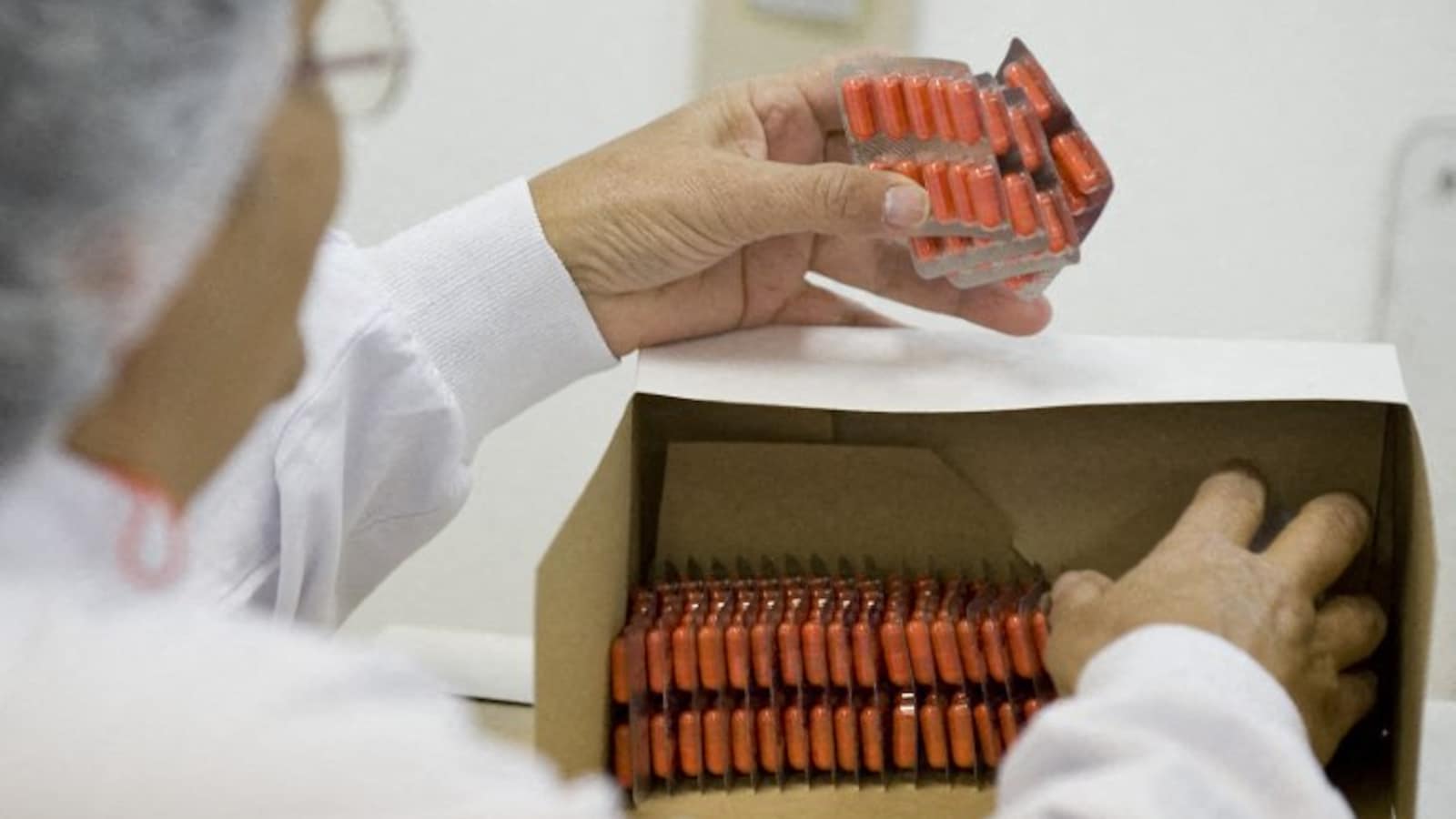
Oseltamivir Remains Effective for H1N1, But Timing Matters
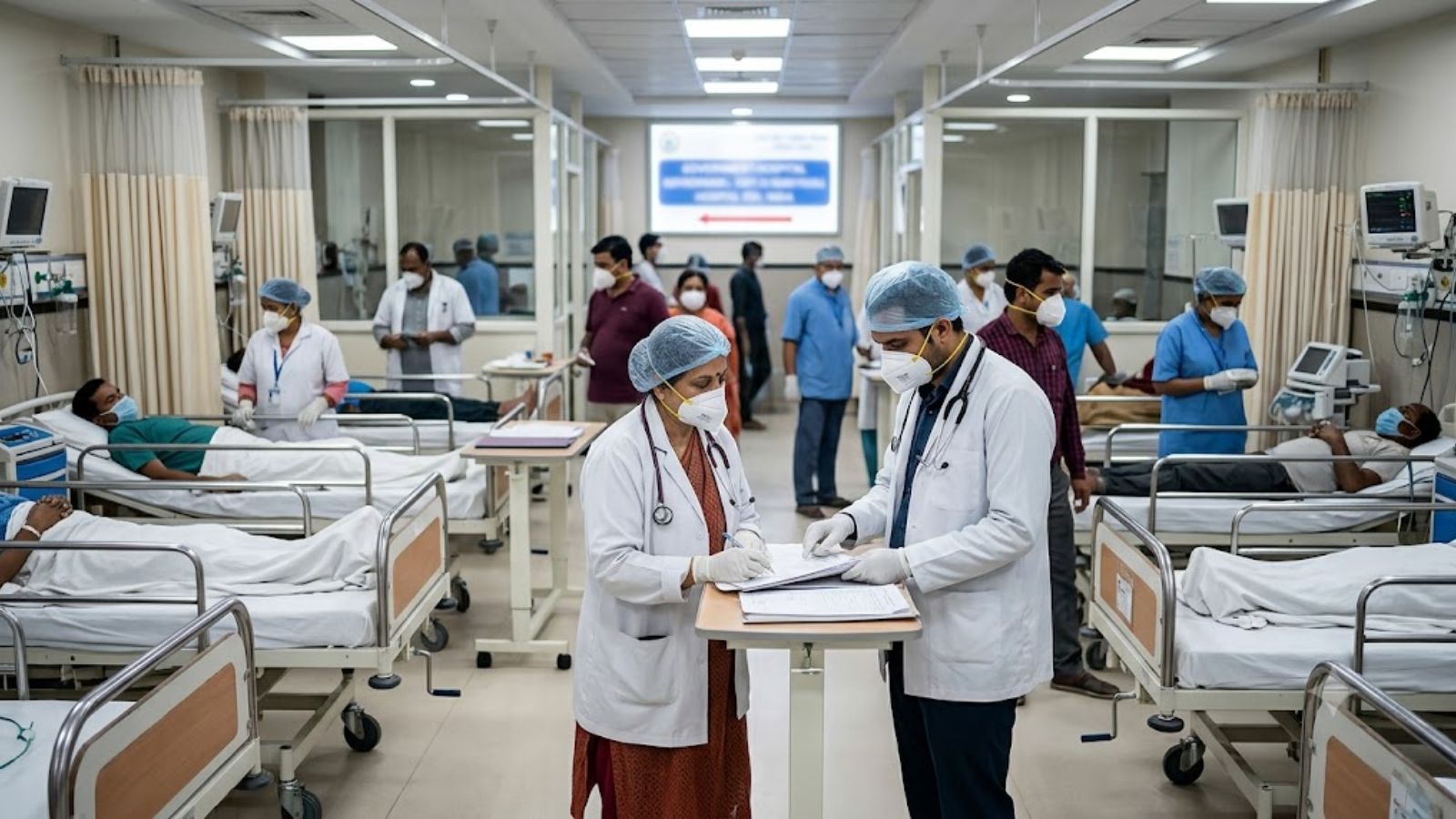
Delhi's Swine Flu Cases Reach 1,777 as Doctors Report Surge
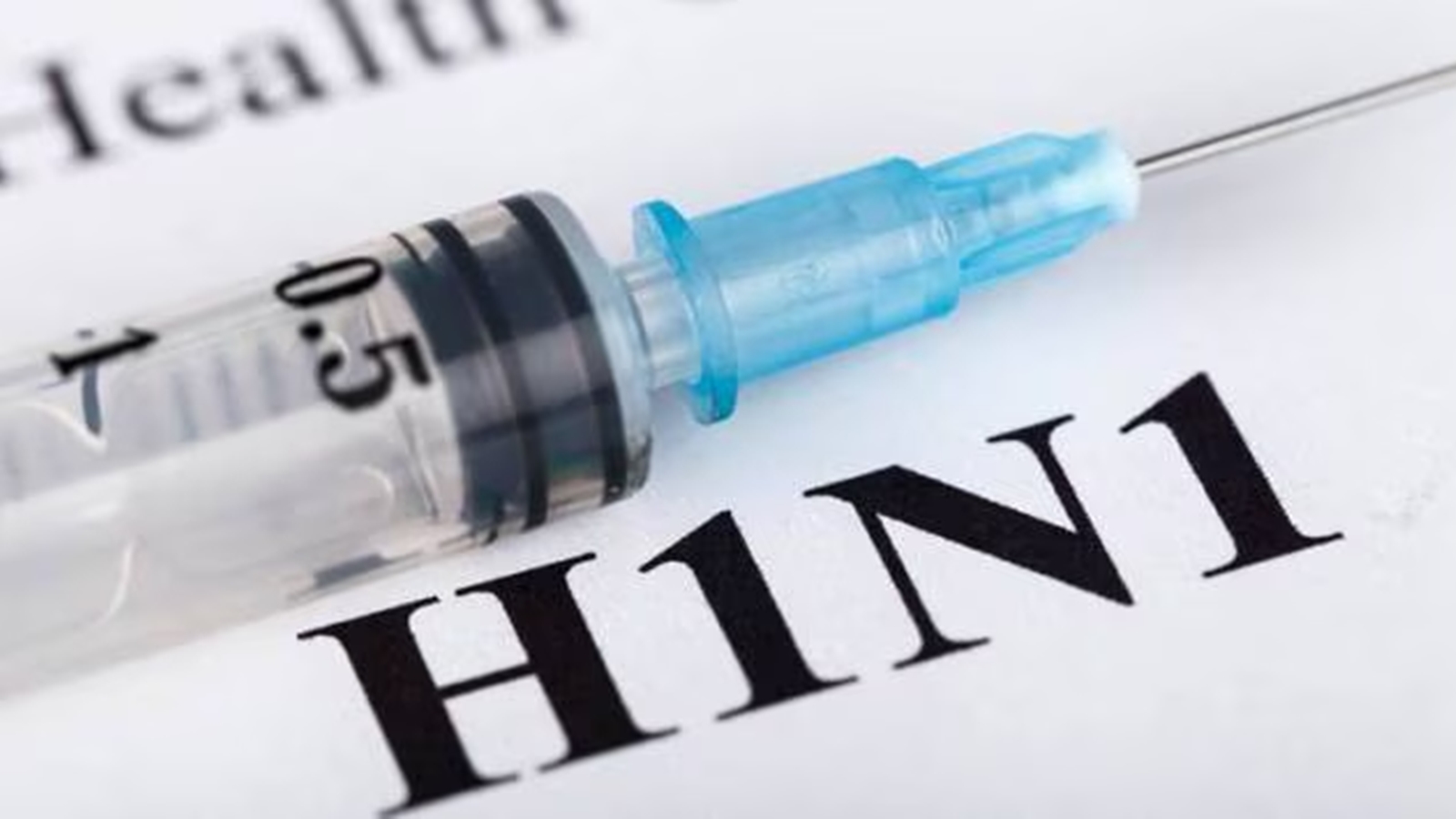
ICMR Says Seasonal H1N1 Flu Rise Needs No Panic

Why Swine Flu Cases Rise During Monsoon Months
Shivakumar Calls BJP Padayatra Cover-Up for Internal Crisis

Futura MedTech Appoints Abhishek Bhargava as Group CEO
Manipal Hospital Urges Early Screening to Protect Liver Health
IndiGo Plans Itanagar Flights to Six Major Indian Cities

AI Salaries Rise 23% as Traditional Tech Pay Stagnates