8 hrs ago
Bangladesh Fuel Hikes Raise Fears of Fresh Inflation
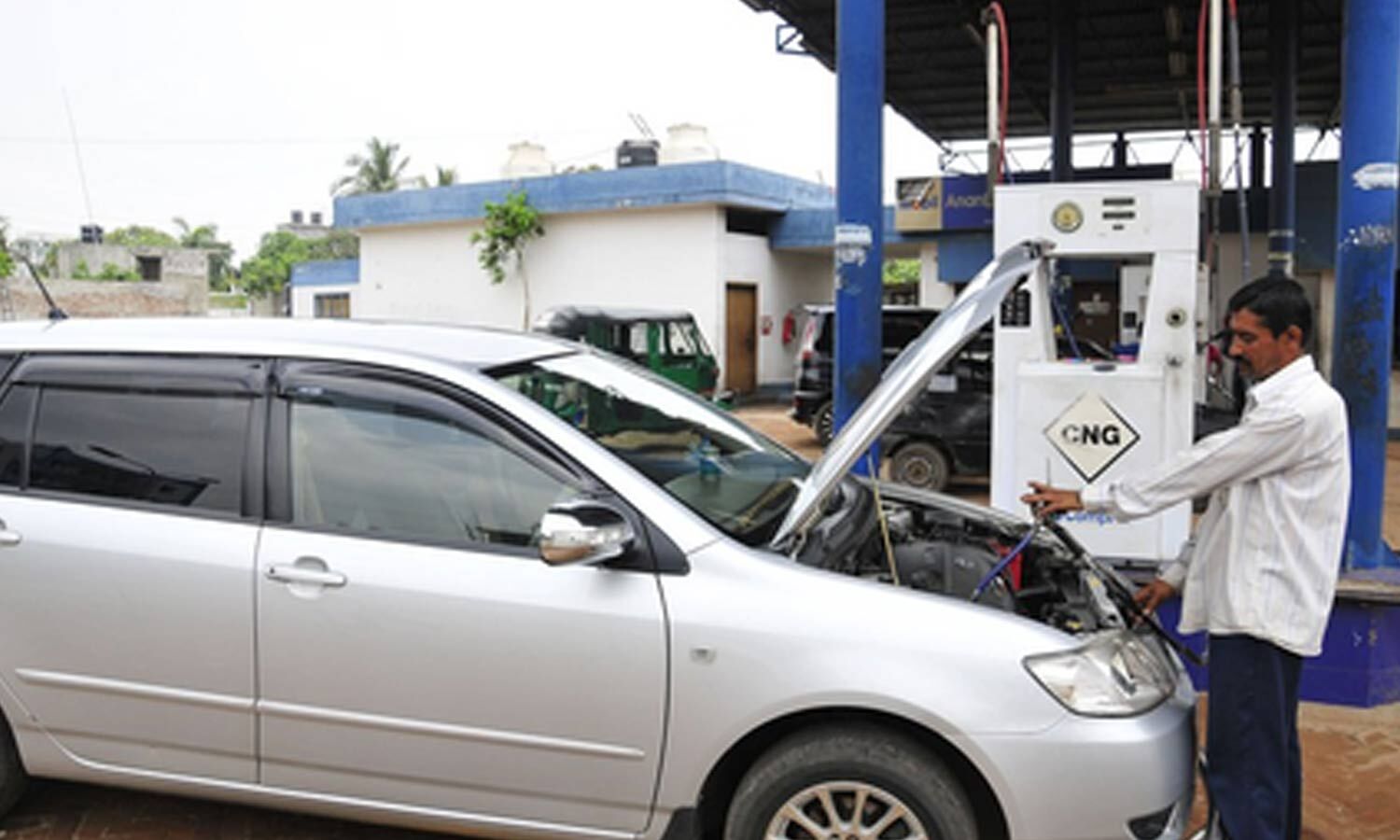
Bangladesh has made several types of fuel more expensive.
Diesel, which many vehicles and farms use, now costs Tk 135 per litre.
This is Tk 20 more than before.
Fuel is used to move people and goods and to support farming and factories.
When fuel costs more, businesses may charge more for their products and services.
Families may then have to spend more on food and transportation.
Economists fear that people’s incomes may not rise as quickly as their expenses.
They also warn that higher prices could make it harder to create jobs.

Bangladesh raised prices of diesel, petrol, octane and kerosene by Tk 20 per litre.
Diesel prices rose from Tk 115 to Tk 135 per litre, a record retail high.
The increase is the third fuel-price hike since the BNP government took office in mid-February.
Economists warn higher fuel costs could raise transport, food, production and household expenses.
Experts say stagnant employment and falling purchasing power could increase inequality and joblessness.
- Who
- The Bangladesh government, economists and households are affected; the state minister for power, energy and mineral resources announced the change.
- What
- The government increased the prices of diesel, petrol, octane and kerosene by Tk 20 per litre.
- Where
- Bangladesh, including Dhaka.
- When
- The latest increase took effect Monday and was reported Tuesday; it is the third hike since mid-February.
- Why
- The state minister said retaining the previous prices had become financially sustainable; economists warned the increase could spread higher costs throughout the economy.
Economists and Critics
Bangladesh Government
Whether the increase was necessary
Economists and Critics
Economists said the government could have reduced fuel-related taxes and fees instead of shifting the burden to the wider economy.
Bangladesh Government
State Minister Anindya Islam Amit said retaining the previous prices had become financially sustainable.
Expected economic impact
Economists and Critics
Experts warned that higher fuel costs would raise transport, agricultural, industrial and food prices, while worsening pressure on households, businesses and employment.
Bangladesh Government
The government proceeded with the increase, while the article gives no further government response to the economists’ concerns.
Key facts
- Latest increase
- Tk 20 per litre for diesel, petrol, octane and kerosene
- Diesel price
- Rose from Tk 115 to Tk 135 per litre
- Fuel-hike count
- Third increase since the BNP government took office in mid-February
- Overall increase
- The latest revision put prices nearly 36% above January levels
- Potential effects
- Higher transport, freight, irrigation, production and household costs
- Economic concern
- Experts warned of higher food prices, reduced purchasing power and possible stagflation
- Announcement
- State Minister Anindya Islam Amit addressed a press conference at the Secretariat in Dhaka
Quotes
Mohammad Lutfor Rahman
Economics professor at Jahangirnagar University
“Think about how much the cost of operating a bus will increase from one end of the city to the other and the impact that will have on fares”
 thehansindia.com
“We may move towards stagflation, which means high inflation, declining purchasing power, rising inequality, and an increase in joblessness”
thehansindia.com
Sources
Related news
Pakistan Fuel Price Surge Raises Fares and Commodity Costs
UK Inflation Climbs to 3.1% as Fuel Prices Rise
Iran Doubles Gasoline Prices for Heavy Users Amid Economic Strain

Jet Fuel and Commercial LPG Prices Rise on September 1
US Diesel Prices Hit Record High Amid Iran War

Rising Inflation Strengthens Case for Higher Interest Rates
India Showcases Rafale, Tejas, Su-30 in Tarang Shakti

Shafali Verma Rises to No. 4 After Asian Games

India Choose Batting Against Sri Lanka in Asian Games Final

India Defeat South Korea 63–31 in Asian Games Kabaddi