6 days ago
Iran Doubles Gasoline Prices for Heavy Users Amid Economic Strain
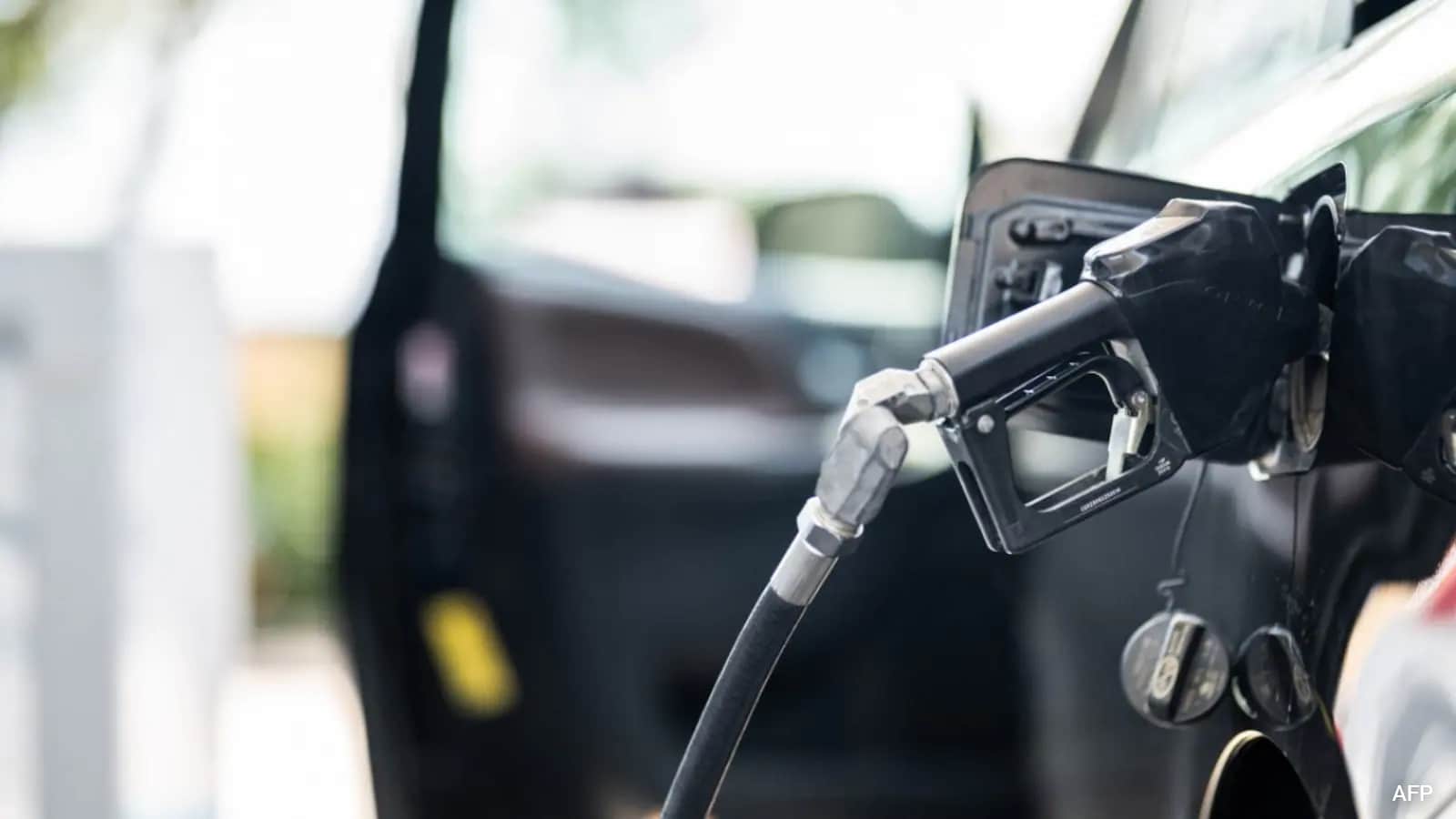
Iran has raised gasoline prices for people who use more than 110 liters each month.
These heavy users will now pay twice as much as they did since December.
The government says some of the extra money will go to households.
Officials want to reduce gasoline use because people are using more fuel than the country produces.
Experts say old cars and limited public transportation help explain the high demand.
However, experts also warn that more expensive gasoline can make many other goods cost more.
Some residents fear that food and other necessities will become even harder to afford.
The increase comes while Iran’s currency is losing value and inflation is already very high.

Iran doubled the gasoline price for purchases exceeding a monthly quota of 110 liters.
The higher rate affects about 15% of consumers and took effect early Tuesday.
The government said additional revenue would be distributed to households amid the current situation.
Officials cited record consumption, limited domestic production, and reliance on imported gasoline.
Residents and experts warned the increase could worsen inflation and raise the cost of essential goods.
- Who
- The Iranian government, gasoline consumers, officials, experts, and residents.
- What
- Iran introduced a gasoline price of 100,000 rials per liter for purchases above 110 liters per month, twice the previous rate.
- Where
- Iran, including gas stations visited in Tehran.
- When
- The new pricing took effect early Tuesday; it was the second increase since December.
- Why
- The government cited the current situation and plans to distribute additional revenue to households; officials also pointed to high consumption exceeding domestic production.
Government and consumption concerns
Residents’ and experts’ concerns
Reason for the price increase
Government and consumption concerns
The government cited the current situation, while officials said the measure addresses exceptionally high gasoline consumption and the gap between use and domestic production.
Residents’ and experts’ concerns
Residents questioned whether the additional revenue would meaningfully address poverty and unemployment.
Effect on the economy
Government and consumption concerns
Higher prices could reduce excessive consumption, which experts linked to aging cars, limited spare parts, and insufficient public transportation.
Residents’ and experts’ concerns
Experts and residents warned that higher gasoline prices could increase inflation and make food and other necessities more expensive.
Social impact
Government and consumption concerns
The government said the additional money from the increase would be given to households.
Residents’ and experts’ concerns
Residents feared further price increases, citing already unaffordable groceries and weakened purchasing power.
Key facts
- New heavy-user price
- 100,000 rials, or about 7 cents, per liter.
- Monthly quota
- The higher price applies to purchases above 110 liters.
- Affected consumers
- About 15% of consumers, according to state oil distribution company CEO Keramat Veis Karami.
- Daily consumption
- Consumption reached 145 million liters per day in August.
- Domestic production
- Iran’s production capacity was reported at 122 million liters per day, with the remainder imported.
- Inflation
- Iran’s annual inflation rate was reported at about 67% by the country’s statistics center.
- Currency exchange rate
- The US dollar traded at about 2.22 million rials on Monday.
Quotes
Asghar Rahimi
A 34-year-old Tehran resident interviewed while waiting at a gas station
“The tiny amount cannot help government to manage problems like poverty and unemployment. This was the first step. In coming months, they need to raise it again.”
 NDTV
NDTV
“Life has become difficult for all of us. Even basic groceries are becoming unaffordable.”
NDTV
Sources
Related news

Iran Prepares for Painful Fuel Hike Amid US Sanctions

Iran’s Economic Crisis Deepens as Food Prices Soar, Rial Falls
US Sanctions Trigger Long Petrol Queues Amid Iran Economic Pressure
US Diesel Prices Hit Record High Amid Iran War
US-Iran War Deepens Tehran Economic Pain as Hormuz Diplomacy Continues

US Fuel Prices Hit Labour Day Record Amid Iran War

BRICS New Delhi Declaration Signals Global South Challenge Western Order

Nifty 50 Faces Red Finish as Global Pressures Mount
India Faces Oil Shock as Hormuz Alternatives Come Under Pressure

India Approves Nepal Power Exports as Regional Tensions Rise

Gold and Silver Slide as Fed Rate Hike Fears Intensify