5 days ago
Pakistan Fuel Price Surge Raises Fares and Commodity Costs
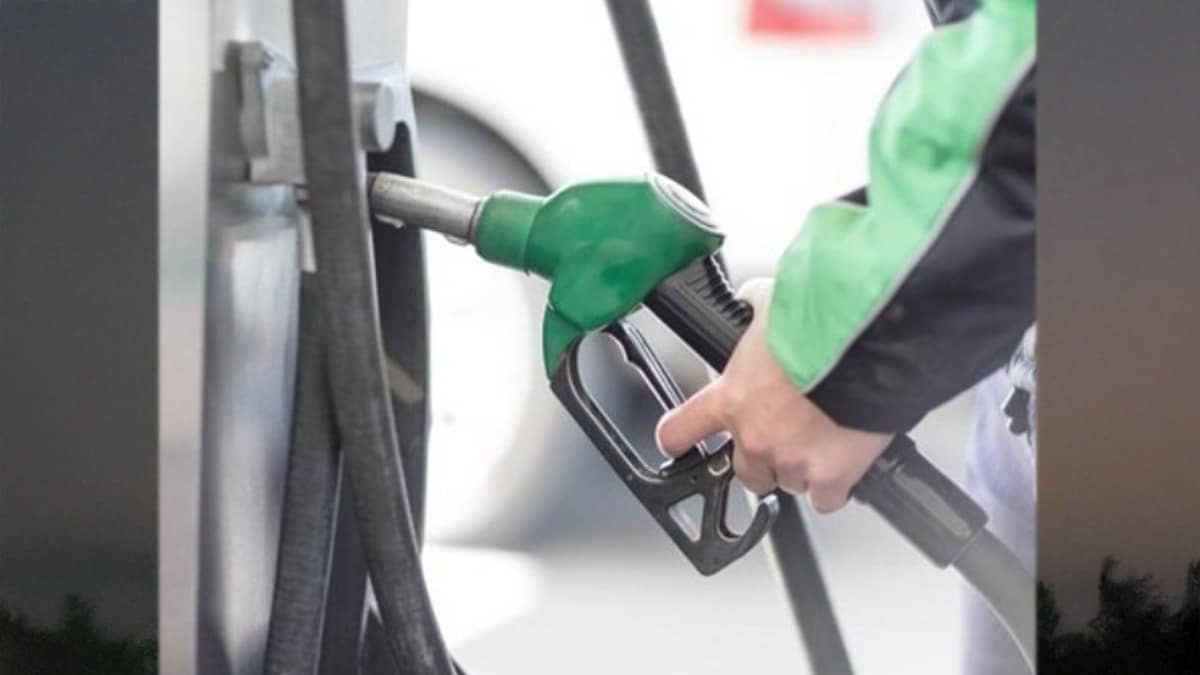
Petrol and diesel prices recently went up in Pakistan.
Because fuel costs more, buses, vans, trucks, and motorcycle rides are becoming more expensive.
In Rawalpindi, the cheapest local transport fare rose from PKR 50 to PKR 60.
Travel between cities and on long routes also became costlier.
Moving food and other goods now costs more too.
This has pushed up the prices of some essential items and flour.
Families are also paying more for school and office transport.
Citizens say authorities should do more to make sure official fares are followed.

Goods transporters in Rawalpindi reportedly increased freight charges by about 15 percent.
Local public transport minimum fares rose from PKR 50 to PKR 60.
Inter-city fares increased by 10 percent, while long-distance fares rose nearly 12 percent.
School, office, and other pick-and-drop services became PKR 500 to PKR 1,000 more expensive.
Higher transport costs contributed to essential commodity increases and flour price rises of up to PKR 5 per kilogramme.
- Who
- Commuters, transport operators, goods carriers, families, citizens, and the district administration are involved.
- What
- Fuel price increases have led to higher transport fares, freight charges, and some commodity prices.
- Where
- The impact is reported across Rawalpindi, including routes between Karachi and Peshawar.
- When
- Following the latest fuel price adjustment; the articles do not provide a specific date.
- Why
- Transport operators and freight carriers reportedly raised charges in response to higher petrol and diesel costs.
Passengers and Citizens
Transport Operators and Authorities
Fare increases
Passengers and Citizens
Passengers say the increases are adding to household expenses and worsening pressure on commuters.
Transport Operators and Authorities
Transport operators have raised fares and freight charges following higher petrol and diesel costs.
Fare enforcement
Passengers and Citizens
Citizens allege that the district administration and Regional Transport Authority have failed to enforce official fare structures, with many vehicles lacking visible fare charts.
Transport Operators and Authorities
Operators and conductors reportedly determine fares in vehicles without visible official charts; the Transport Federation has protested repeated fare increases.
Fuel-price regulation
Passengers and Citizens
Citizens are concerned that frequent or daily petroleum-price revisions make transport costs and fares increasingly difficult to manage.
Transport Operators and Authorities
Transport operators face rising operating costs and say fare adjustments are necessary after fuel-price changes.
Key facts
- Local minimum fare
- Rose from PKR 50 to PKR 60
- Goods freight increase
- Approximately 15 percent
- Inter-city fare increase
- Approximately 10 percent
- Long-distance fare increase
- Nearly 12 percent
- School and office transport
- PKR 500 to PKR 1,000 more expensive
- Flour price increase
- Up to PKR 5 per kilogramme in some areas
- Karachi-Peshawar heavy transport
- Container and heavy goods vehicle rates reportedly reached up to PKR 800,000
Sources
Related news

Pakistan Petrol Price Crosses Rs 331, Diesel Hits Rs 390
Mumbai Auto and Taxi Fares Rise Amid Fuel Costs
PPP Criticises Pakistan Fuel Policy, Seeks Consumer Relief
Mumbai Auto-Taxi Fare Hike Draws Commuter, Union Concerns

Delhi CNG Price Rise Spurs Fare Hike, Strike Threat
Pune Commuters Face Auto Fare and CNG Price Hikes

Imran Khan’s Sons Accuse Army Chief of Personal Vendetta

Australian Captains Appeal for Imran Khan’s Detention Welfare

ECB Security Delegation Reviews Pakistan ODI Tri-Series Arrangements

Wasim Akram Raises Health Concerns Over Imran Khan’s Imprisonment