5 hrs ago
UK Inflation Climbs to 3.1% as Fuel Prices Rise
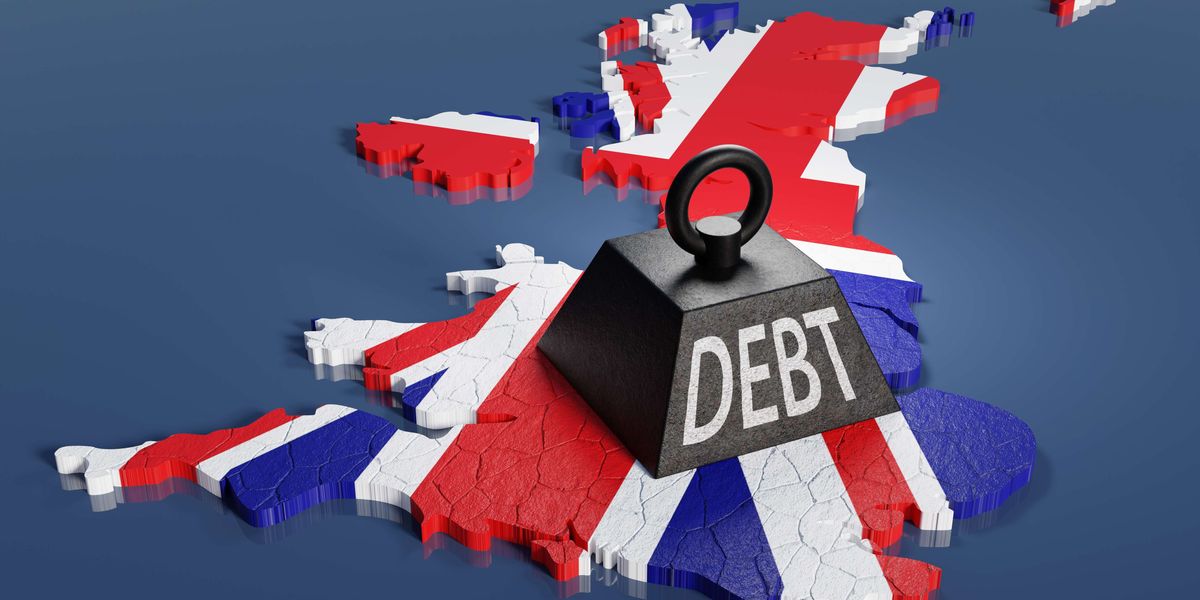
Prices in the UK rose faster in August than they did in July.
This means families generally had to pay more for goods and services.
Fuel was a major reason for the increase.
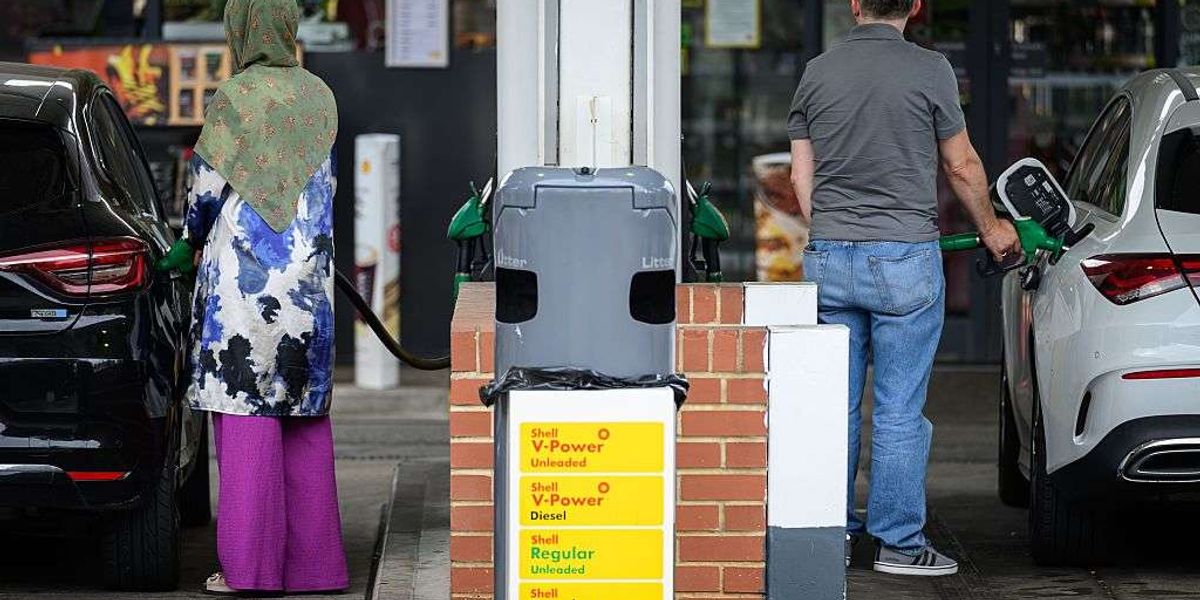
Petrol became 9.1 pence more expensive per litre between July and August.
The article says the war in the Middle East helped push fuel prices higher.
Families and businesses said they were feeling financial pressure.
The Bank of England is expected to keep interest rates at 3.75 percent.
The government will present its budget update on October 28.

UK annual inflation rose to 3.1% in August 2026, from 2.9% in July.
Transport costs, particularly motor fuels, made the largest upward contribution.
Petrol prices increased by 9.1 pence per litre between July and August 2026.
The Bank of England is expected to hold interest rates at 3.75% on Thursday, September 17.
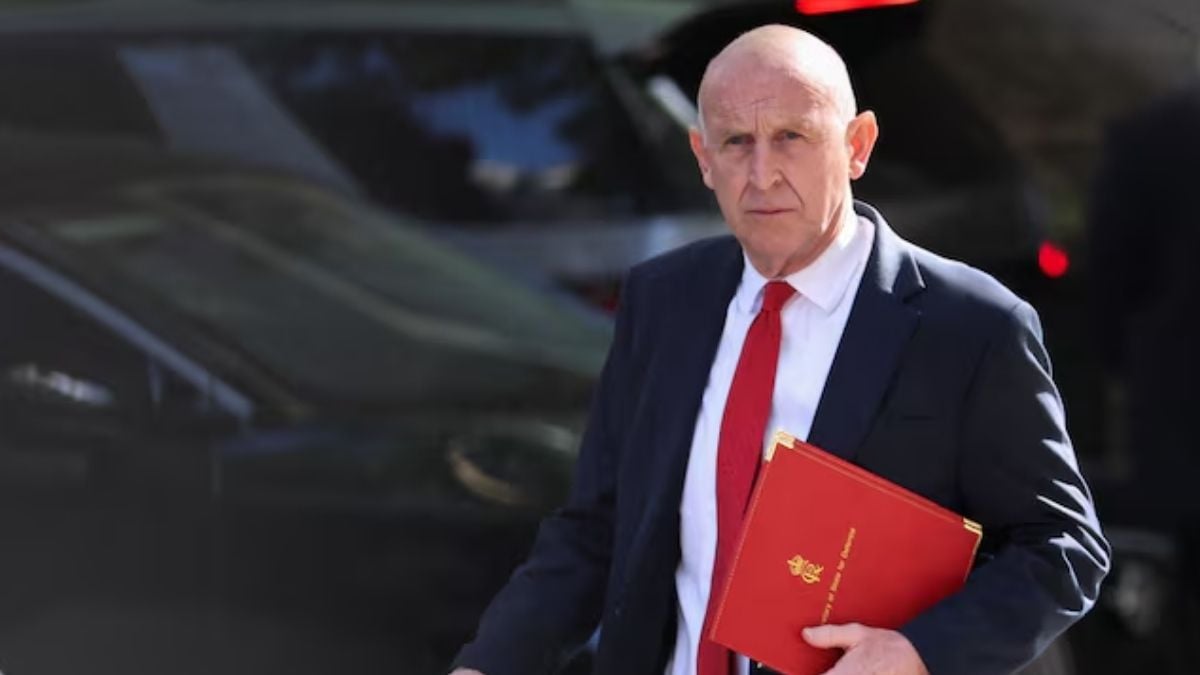
Chancellor John Healey’s budget update is scheduled for October 28.
- Who
- UK households, businesses, the government, the Office for National Statistics, and the Bank of England are involved.
- What
- Annual UK inflation increased to 3.1% in August 2026, driven largely by higher transport and fuel costs.
- Where
- Across the United Kingdom, with comments from Northern Ireland and Essex.
- When
- The figures cover the 12 months to August 2026; the Bank of England is expected to decide on rates on September 17, and the budget is due October 28.
- Why
- Transport costs rose sharply, particularly motor fuels, with the article linking higher fuel prices to the war in the Middle East.
Government and Liberal Democrat views
Opposition and business concerns
Response to rising inflation
Government and Liberal Democrat views
Chancellor John Healey said the war in the Middle East was affecting inflation worldwide, while arguing that the UK economy remained resilient. Liberal Democrat spokesperson Daisy Cooper called for a new growth and defence deal with Europe.
Opposition and business concerns
Shadow chancellor Andrew Griffith blamed Labour’s choices, employer costs, and energy policies for putting pressure on consumers. Petrol station owner Goran Raven said his business was under significant pressure and trade was about 20% below the same period last year.
Cost-of-living measures
Government and Liberal Democrat views
Healey said the government had cut tax on electricity bills, capped bus fares at £2, and lowered rates for pubs, social clubs, and live music venues to support families and businesses.
Opposition and business concerns
Critics said the inflation figures showed households were still being hit hard, while researcher Richard Carter warned inflation could continue rising until at least the end of the year.
Key facts
- August inflation rate
- 3.1% year-on-year
- July inflation rate
- 2.9% year-on-year
- Transport inflation
- 4.6% year-on-year in August, up from 3.6% in July
- Petrol price change
- Up 9.1 pence per litre between July and August 2026
- Expected interest rate
- The Bank of England is forecast to hold its benchmark rate at 3.75%
- Budget date
- October 28
- Largest inflation driver
- Transport costs, particularly motor fuels
Quotes
Emma Ashfield
Nursery worker from Northern Ireland describing the pressure of rising household costs
“Things are down. We've got lots of pressure on us at the moment. I'd say we're about 20 per cent down on this time last year.”
 easterneye.biz
“You would basically need a second job.”
easterneye.biz
Office for National Statistics
UK government statistics agency reporting the inflation and fuel-price data
“The average price of petrol rose by 9.1 pence per litre between July and August 2026, compared with a rise of 0.3 pence per litre between July and August 2025.”
easterneye.biz
Sources
Related news

UK Inflation Rises to 2.9% as Energy Bills Climb
War-Driven Gas Costs Set UK Energy Bills Higher

Iran War Costs Drive Inflation, Oil Prices and Mortgage Rates
Iran Conflict Adds Nearly £10bn to Britain’s Energy Costs

India’s Retail Inflation Rises Above RBI Midpoint for Third Month
UK households face higher borrowing costs and energy bills
Healey Sets Growth Vision Ahead of Britain’s Tough Budget
Healey Unveils Optimistic UK Growth Agenda Ahead of Budget

John Healey Faces Fiscal Tightrope Before First UK Budget
UK Finance Minister Weighs Wealth Tax Options for October Budget