

5 days ago
University of Hyderabad Lecture Examines Journalism in the AI Era

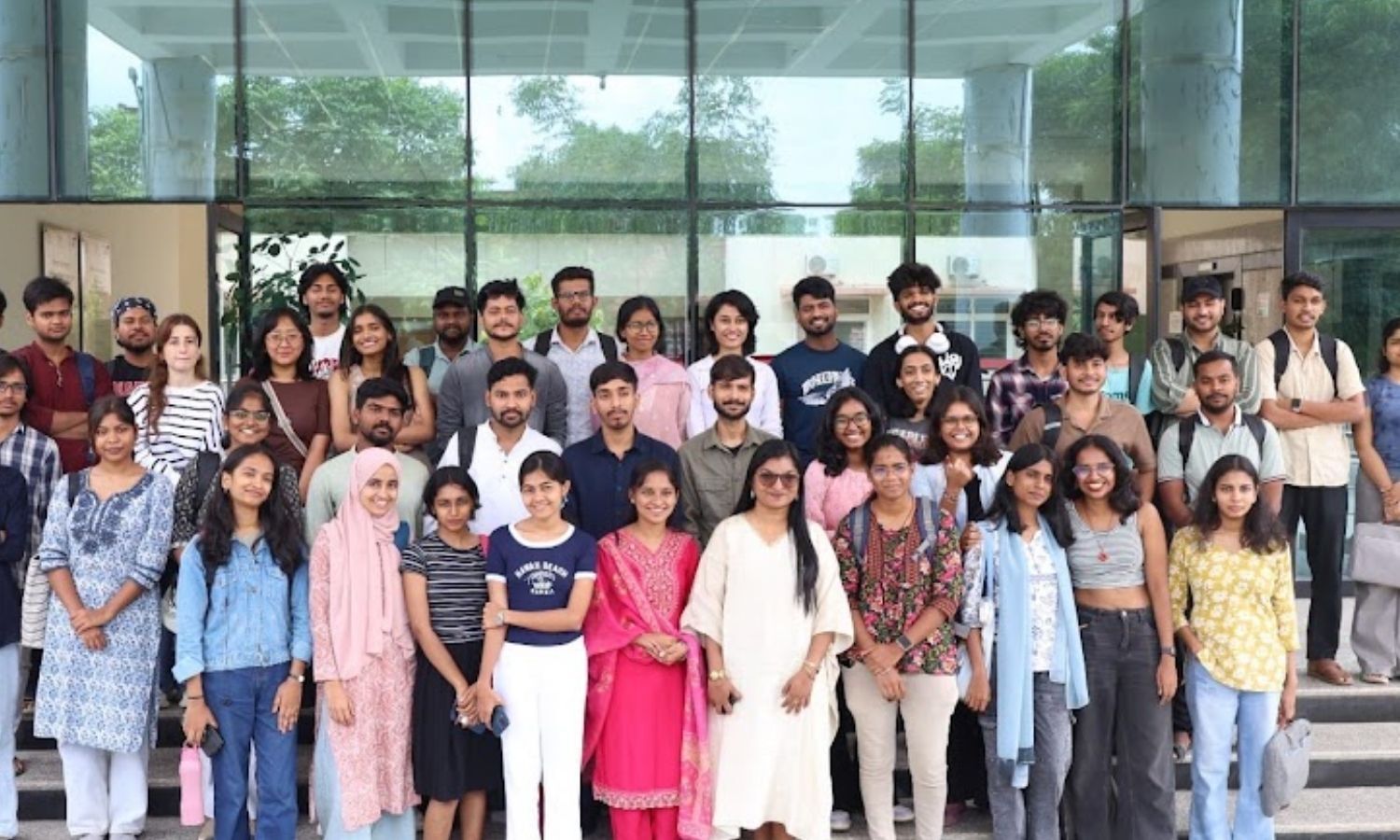
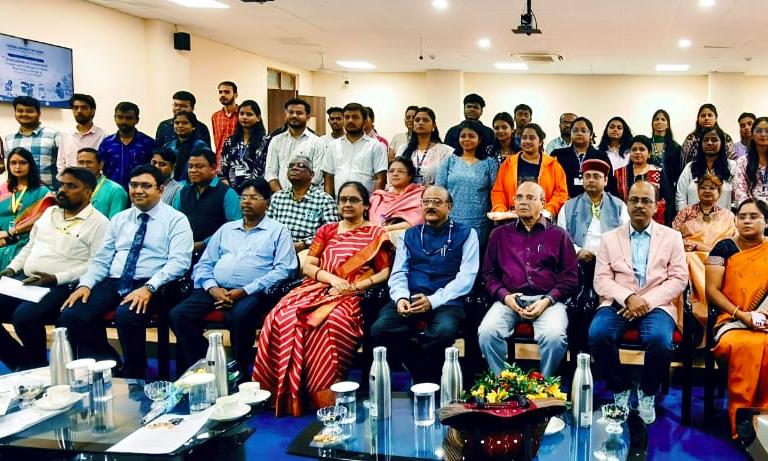
The University of Hyderabad held a talk about how journalism is changing.
Naresh Fernandes from Scroll.in spoke about the growing influence of social media and artificial intelligence.
He explained that platforms like Instagram can help news reach more people.
However, quick and emotional posts may not give readers enough background.
The talk also discussed “ragebait,” which is content designed to make people react strongly.
Artificial intelligence could create problems for journalists, but it may also help them study large amounts of information.
Journalists also face legal cases, removal requests, investigations and threats.
A workshop taught participants how to check information and identify misinformation.
The event ended by stressing that careful journalism supports democracy.

The University of Hyderabad hosted a lecture on journalism’s changing role amid artificial intelligence, social media and shifting news economics.
Scroll.in Editor Naresh Fernandes said platforms such as Instagram broaden communication but may reduce space for context and detailed reporting.
The discussion addressed sensational “ragebait,” while noting continued public interest in credible and accountable journalism.
Fernandes described artificial intelligence as both a challenge and a possible tool for data journalism and large-dataset analysis.
A related workshop led by NewsMeter’s Dheeshma Puzhakkal focused on information verification and misinformation.
- Who
- The University of Hyderabad’s Department of Communication hosted the event, with Scroll.in Editor Naresh Fernandes as speaker and NewsMeter editor Dheeshma Puzhakkal leading a related workshop.
- What
- A public lecture examined journalism’s relationship with artificial intelligence, social media, misinformation, changing media economics and democratic institutions.
- Where
- The University of Hyderabad in Hyderabad, India.
- When
- The lecture took place on Friday; no calendar date was provided.
- Why
- The programme explored how journalism can preserve verification, context and public accountability while adapting to technological and economic changes.
Potential Benefits and Continuing Public Value
Risks and Pressures Facing Journalism
Artificial intelligence
Potential Benefits and Continuing Public Value
AI may help journalists with data journalism and the analysis of large datasets.
Risks and Pressures Facing Journalism
AI systems accessing and processing published material create concerns for journalism.
Social media distribution
Potential Benefits and Continuing Public Value
Platforms such as Instagram provide important channels for political and public communication and can expand audience reach.
Risks and Pressures Facing Journalism
Their emphasis on visual appeal and immediate engagement may leave less room for historical context and detailed reporting.
Public attention and news quality
Potential Benefits and Continuing Public Value
There remains strong public interest in credible, accountable journalism that informs citizens and scrutinises people in power.
Risks and Pressures Facing Journalism
Sensational content and ragebait can attract attention, while important information may be suppressed or overshadowed by entertainment and distraction.
Key facts
- Lecture title
- “Content and Discontent: Some Questions for Journalism in the Age of Cockroach Uprising”
- Speaker
- Naresh Fernandes, Editor of Scroll.in
- Host
- Department of Communication, University of Hyderabad
- Key issues
- Artificial intelligence, social media algorithms, ragebait and changing news-industry economics
- Journalistic pressures
- Legal cases, content-removal requests, tax-related investigations, defamation proceedings and physical threats
- Related workshop
- “The Digital Detective,” a practical session on information verification and misinformation
- Workshop organiser and leader
- The Department of Communication collaborated with Goethe-Zentrum Hyderabad; NewsMeter’s Dheeshma Puzhakkal led the session
Sources
Related news
Experts Say Journalism Rooted in Empathy, Not Replaced by AI
Why Journalism Must Decide What Matters Beyond Algorithms

From TV Studios to Smartphones: India's Information Revolution

Bandi Sanjay Highlights Visual Journalists’ Vital Role in Democracy

Journalism Fundamentals Seen as Key to Restoring Public Trust

Readers Urge Caution, Accountability and Support for Farmers

Backlash Grows as Flock Surveillance Cameras Spread Across America
‘Dimagi Naxal’ Debate Casts Dissent as Political Threat

Supreme Court Flags Misuse in Uttar Pradesh Gangsters Act

Satirical 'Dimagi Naxal Party' Trends on Instagram After Modi's Speech
