3 weeks ago
From TV Studios to Smartphones: India's Information Revolution
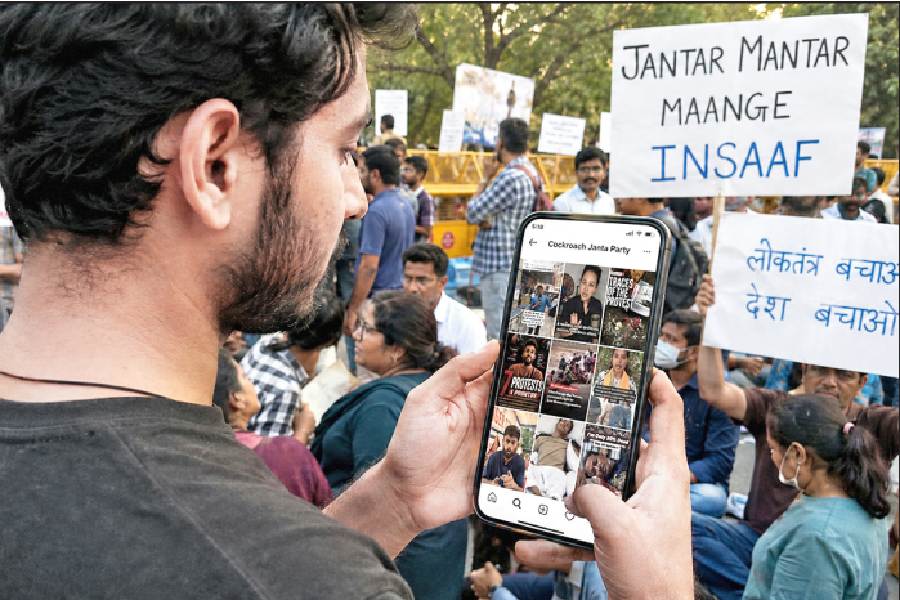
In the past, most people in India learned about the news by watching television.
Now, lots of people find out what is happening from their phones instead.
Ordinary people can record videos and share them online right away, sometimes even before TV reporters are ready.
Important leaders now talk to people directly on apps like Instagram and X instead of only giving interviews on TV.
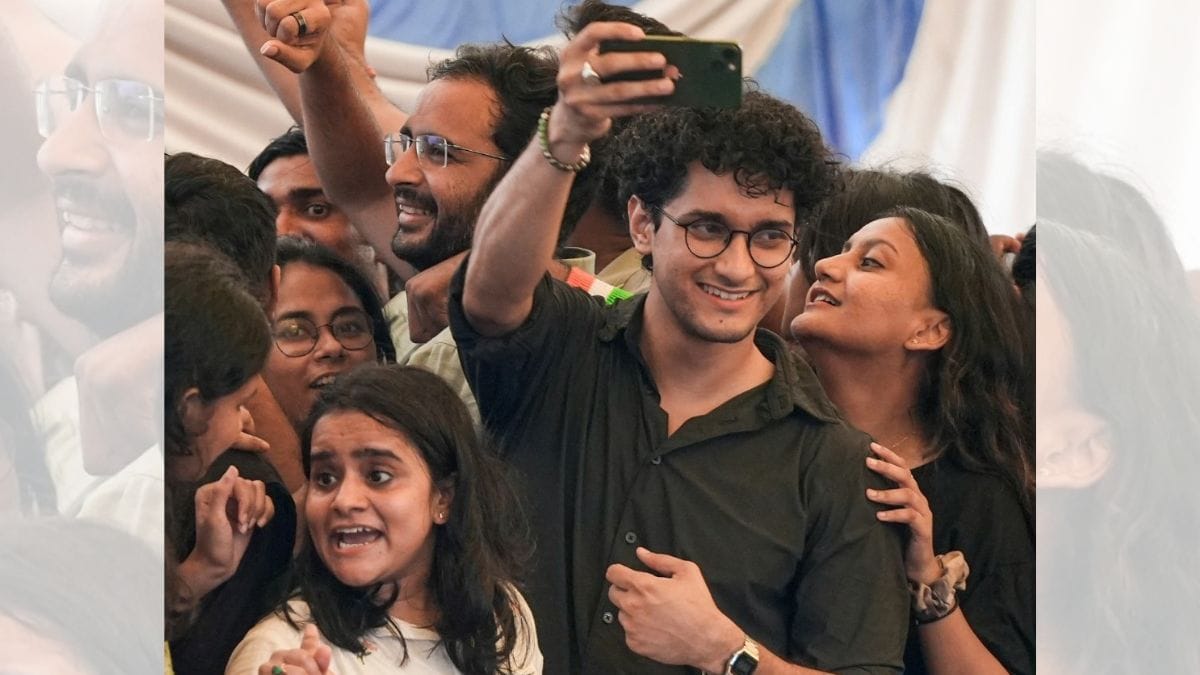
When events happened at a famous protest spot called Jantar Mantar, India's Prime Minister Narendra Modi made a short video at night for young people on Instagram.
Millions of people watched it very fast, and soon it got over 380 million views.
Young people like to check many different sources and decide for themselves what to believe.
The article says television news should become more honest and careful, sharing facts instead of loud arguments.
It says being trustworthy is the most important thing for journalism in the digital age.

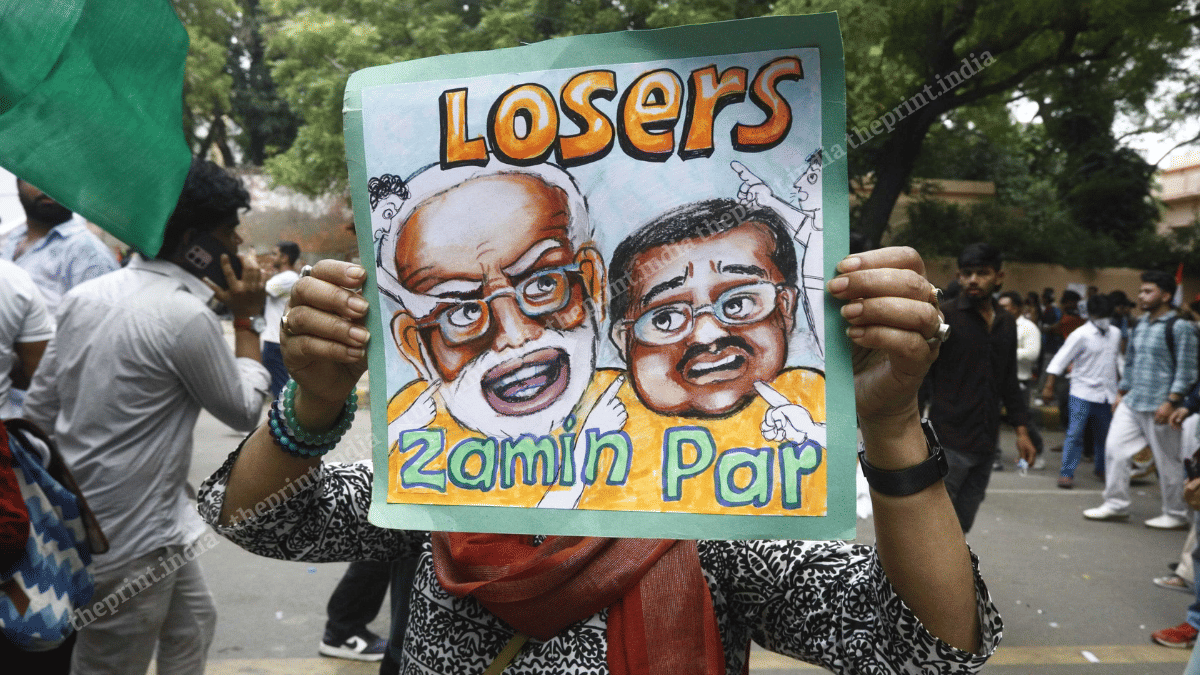
Traditional television news channels are losing their monopoly over public opinion in India, with social media and citizen journalism becoming the first source of information for millions.
President Donald Trump announced the India-Pakistan ceasefire during Operation Sindoor on X before most television channels had fully reported the development, and did the same for Operation Epic Fury.
During the events at Jantar Mantar, Prime Minister Narendra Modi sent a short late-night Instagram video message to Generation Z that crossed 380 million views and over 1 million comments within a day.
Generation Z and emerging Generation Alpha compare sources, question narratives, and prefer authenticity and evidence over celebrity news anchors and studio debates.
The article argues television news must reinvent itself because 'credibility—not volume—is the true currency of journalism,' while acknowledging social media can spread rumours and misinformation.
- Who
- Prime Minister Narendra Modi, US President Donald Trump, India's television news channels, and digital-native audiences such as Generation Z and Generation Alpha.
- What
- India's information revolution, in which social media platforms and citizen journalism are replacing traditional television news as the first source of information for millions of Indians.
- Where
- India, centring on the events at Jantar Mantar, with a comparison to the United States.
- When
- No specific dates are given; the article refers to the recent events at Jantar Mantar, with Modi's video crossing 380 million views and over 1 million comments by the day after it was posted.
- Why
- Because audiences increasingly prefer evidence-led, real-time reporting over opinion-led studio debates, and leaders must reach young people on the digital platforms they actually use.
Key facts
- Publication
- ThePrint (SubscriberWrites opinion section; not fact-checked by the outlet)
- Modi's Instagram video
- Over 100 million views by morning; crossed 380 million views and more than 1 million comments by the next day
- Trump's X posts
- Announced India-Pakistan ceasefire during Operation Sindoor and announced Operation Epic Fury on X before most TV channels fully reported them
- US anecdote
- Author visited about 20 US homes nearly 15 years ago; televisions were present but hardly anyone watched television news
- Core argument
- Credibility—not volume—is the true currency of journalism
- Audience cited
- Generation Z and emerging Generation Alpha
- Author's warning
- Social media can spread rumours and misinformation as easily as it can expose facts
Quotes
Unnamed friend
Friend of the author interviewed during a visit to the United States
“"Television news has become too opinionated. We prefer to gather information from different sources before deciding what to believe."”
 theprint.in
Sources
Related news
Creators and Algorithms Reshape India’s Political Communication Ecosystem
Reels vs Results: Political messaging won't win over young voters

TV News Outshines Social Media in Shaping Public Opinion
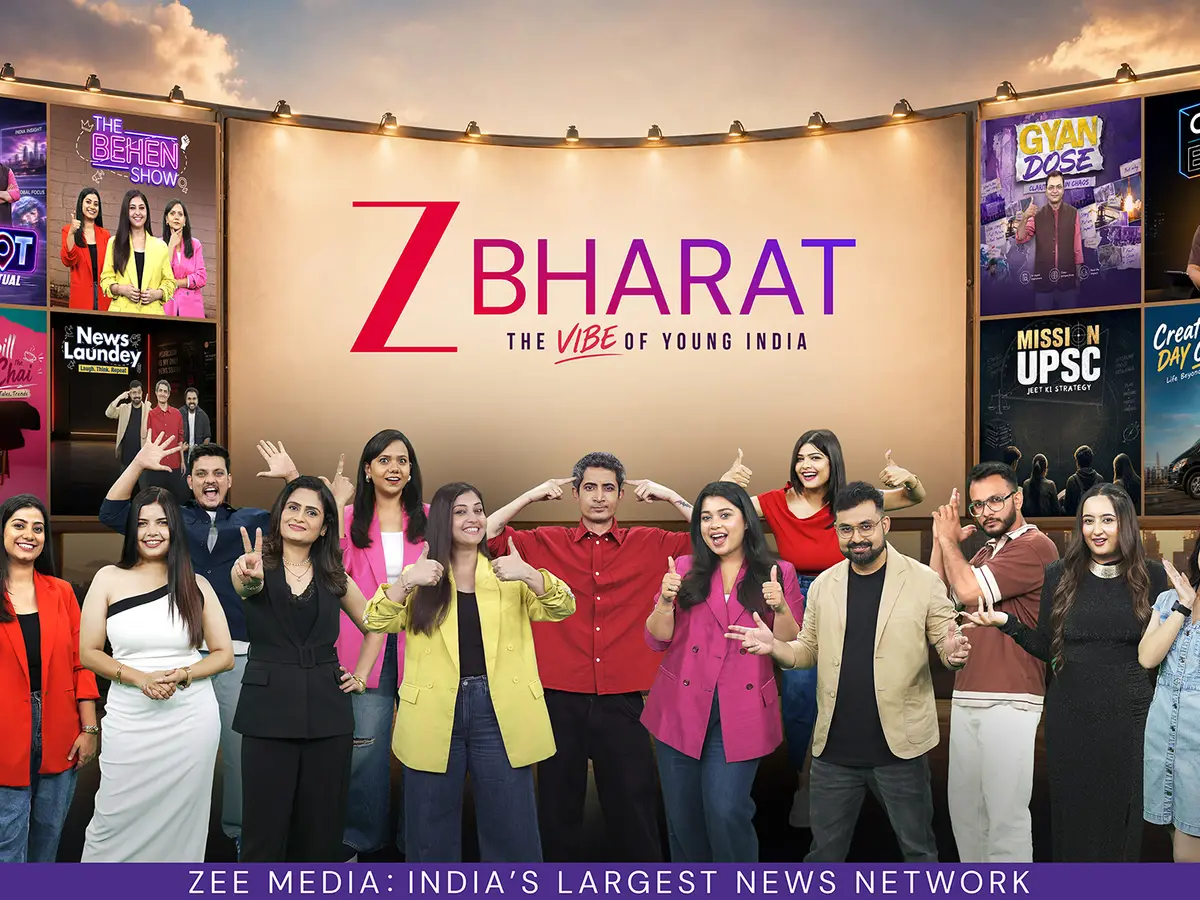
Zee Bharat Restages to Capture The Vibe of Young India

Why Former NDTV Journalist Says Indian TV News Is Unwatchable

NDTV Reframes Its Identity Around Provenance Across Media Platforms
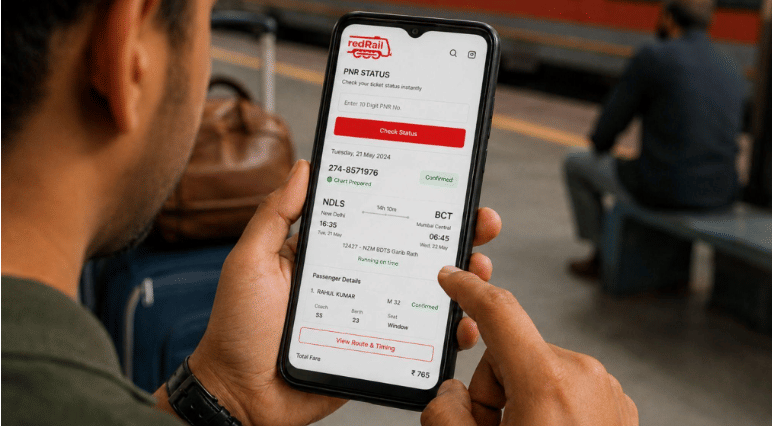
What Railway PNR Details Reveal Before Your Journey

Jyoti Yadav’s Covid Book Challenges India’s Forced Forgetting
Single-Income Families With Home Loans Should Prioritize Term Insurance

Why Indian Work Permit Seekers Face Costly Misinformation
Punjab Faces Calls for Verification Amid Crime and Migration Concerns