

1 week ago
Supreme Court Flags Misuse in Uttar Pradesh Gangsters Act
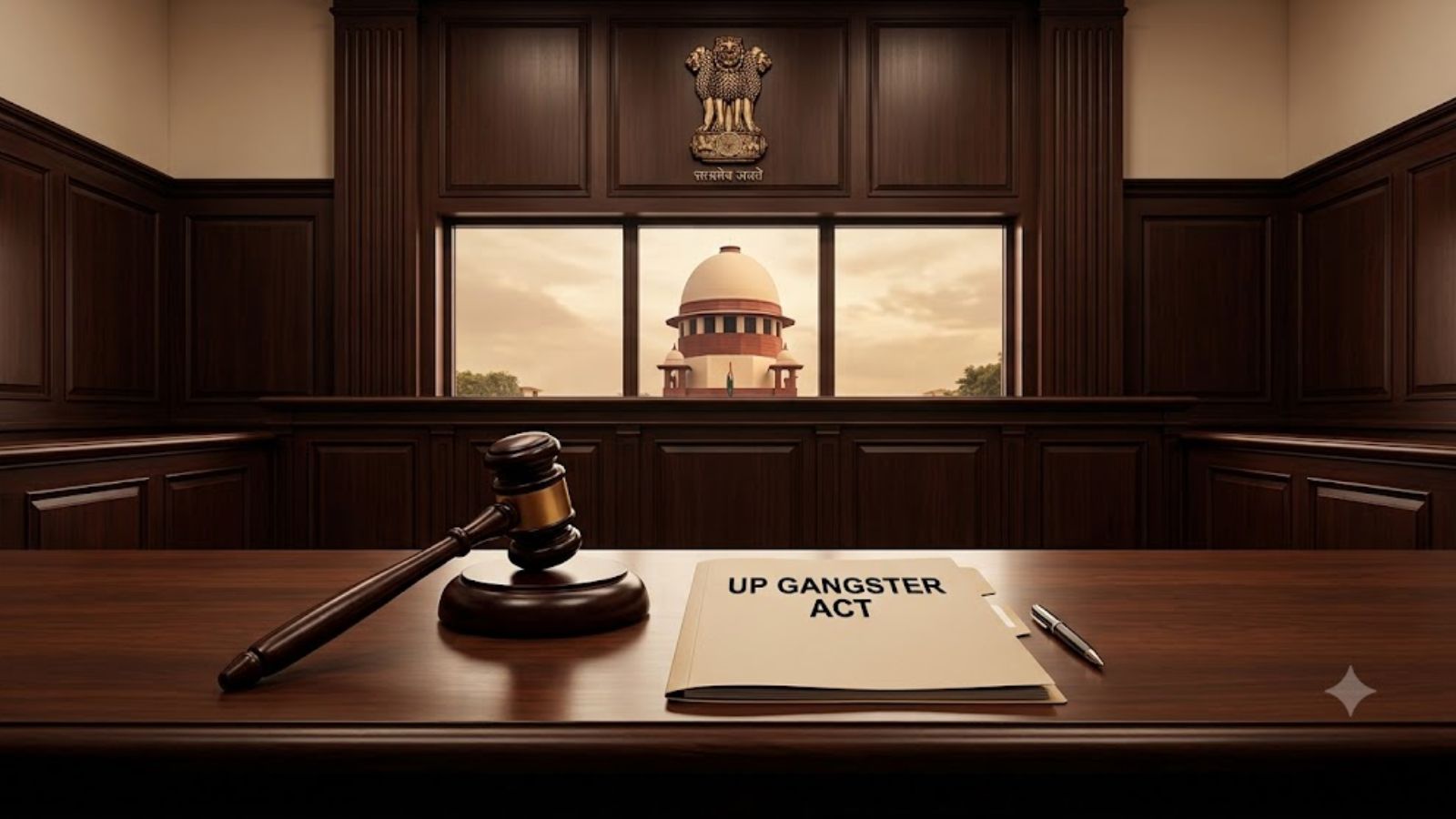
The Supreme Court examined a law in Uttar Pradesh meant to fight criminal gangs.
The judges said the law may punish people simply after officials label them gangsters.
They said the law defines gangs and gangsters but does not clearly create a separate crime for being a gangster.
Police use a Gang Chart to list alleged past offences when identifying someone as a gangster.
The court said this could give government officials too much power.
It also warned that people might be jailed for a long time before trial without the safeguards used in preventive-detention laws.
The judges said fighting crime is important, but the government must still protect people’s liberty.
The court cancelled cases under the law against two advocates.
It did not finally decide whether the entire law is unconstitutional.

The Supreme Court called the 1986 Uttar Pradesh Gangsters Act “stillborn” because it punishes a gangster without creating a distinct offence.
The bench said the Act could give the Executive broad power to classify people as gangsters through police-prepared Gang Charts.
It warned that the law could enable prolonged detention, arbitrary action and misuse against innocent citizens.
The court quashed proceedings under the Act against advocates Shiv Pratap Singh and Himanshu Srivastava.
The court did not strike down the Act as unconstitutional, saying its constitutional validity remains open.
- Who
- A Supreme Court bench comprising Justices J B Pardiwala and K Vinod Chandran; the appeals were filed by advocates Shiv Pratap Singh and Himanshu Srivastava.
- What
- The court described the Uttar Pradesh Gangsters and Anti-Social Activities (Prevention) Act, 1986, as “stillborn,” criticised its potential misuse and quashed proceedings against two advocates.
- Where
- The judgment was issued by the Supreme Court in New Delhi; the underlying cases involved Fatehgarh, Farrukhabad, and Ghaziabad.
- When
- The judgment was reported on August 21.
- Why
- The court said the Act prescribes punishment for a person labelled a gangster without creating a distinct offence, potentially allowing arbitrary classification, prolonged detention and inadequate safeguards.
Supreme Court’s concerns
Act’s stated purpose
Purpose and misuse
Supreme Court’s concerns
The court said the law could perpetuate violence against unsuspecting citizens and enable vindictive, malicious, arbitrary or capricious action.
Act’s stated purpose
The Act was enacted to target, control and punish organised crime syndicates, criminal gangs and habitual anti-social elements.
Criminal offence and punishment
Supreme Court’s concerns
The court held that defining a gangster and prescribing punishment for that status does not create a distinct offence, invoking the principle that there can be no crime or punishment without a penal law.
Act’s stated purpose
The law’s framework refers to criminal activities listed in its definition of a gang and was intended to provide a special penal response to gang-related activity.
Detention and safeguards
Supreme Court’s concerns
The court warned that inclusion in a Gang Chart could lead to arrest, prolonged pre-trial detention and punishment without the safeguards attached to preventive detention laws.
Act’s stated purpose
The state’s objective, as reflected in the Act, is to address the social menace of criminal gangs, though the court said that objective cannot justify interference with citizens’ liberty.
Key facts
- Law examined
- Uttar Pradesh Gangsters and Anti-Social Activities (Prevention) Act, 1986
- Court’s description
- The penal law was called “stillborn,” meaning legally invalid or void from its inception because it does not define a valid offence corresponding to the punishment.
- Punishment cited
- The Act, as amended in 2015, provides imprisonment of at least two years and up to 10 years, with a fine of at least Rs 5,000.
- Gang Chart
- A police-prepared administrative document used under the 2021 Rules to classify alleged gang members.
- Main concern
- The court said the Act may leave the determination of gangster status to broad Executive discretion.
- Case outcome
- Proceedings under the Act against advocates Shiv Pratap Singh and Himanshu Srivastava were quashed.
- Constitutional status
- The court did not strike down the Act as unconstitutional and said its constitutional validity remains open.
Quotes
Supreme Court bench
The Supreme Court bench of Justices J B Pardiwala and K Vinod Chandran hearing the appeals
“After defining gang, which includes commission of the offences listed under sub-clauses (i) to (xxv), and defining gangster as a member or leader or organiser of a gang, the punishment is prescribed for a gangster without an offence being created by statute, which makes the penal act stillborn.”
 indianexpress.com
 theprint.in
“The end result of a trial under the UP Act is a foregone conclusion, a statutory imprimatur to punish”
indianexpress.com
Sources
Related news

Calcutta HC told Bengal's anti-goonda laws not yet in force
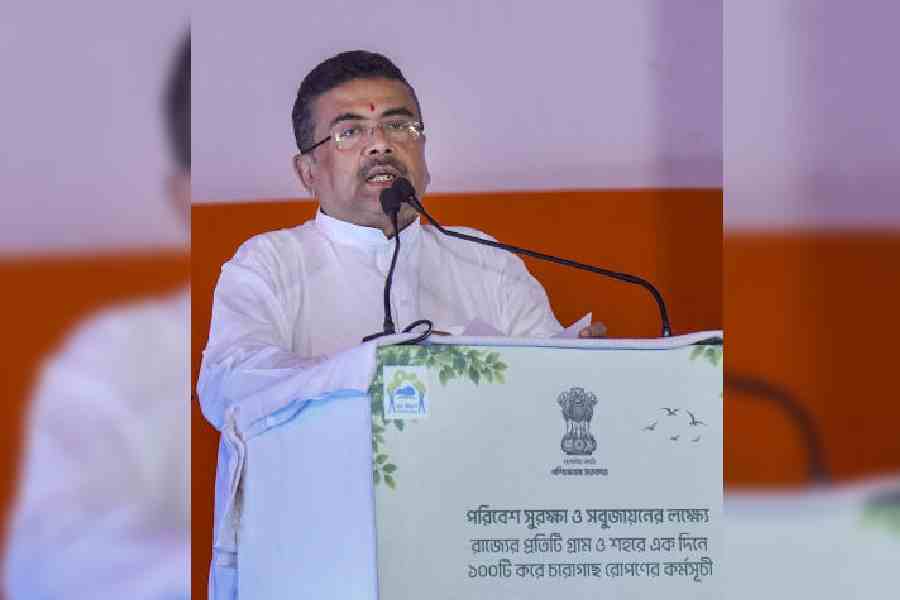
West Bengal Goonda Bill Awaits Presidential Assent, Adhikari Says

Maharashtra Government Calls Security Act Petitions Frivolous, Seeks Dismissal

High Court judge recuses from Maharashtra security law plea

Ankit Baliyan Murder Sparks UP Law-and-Order Political Clash
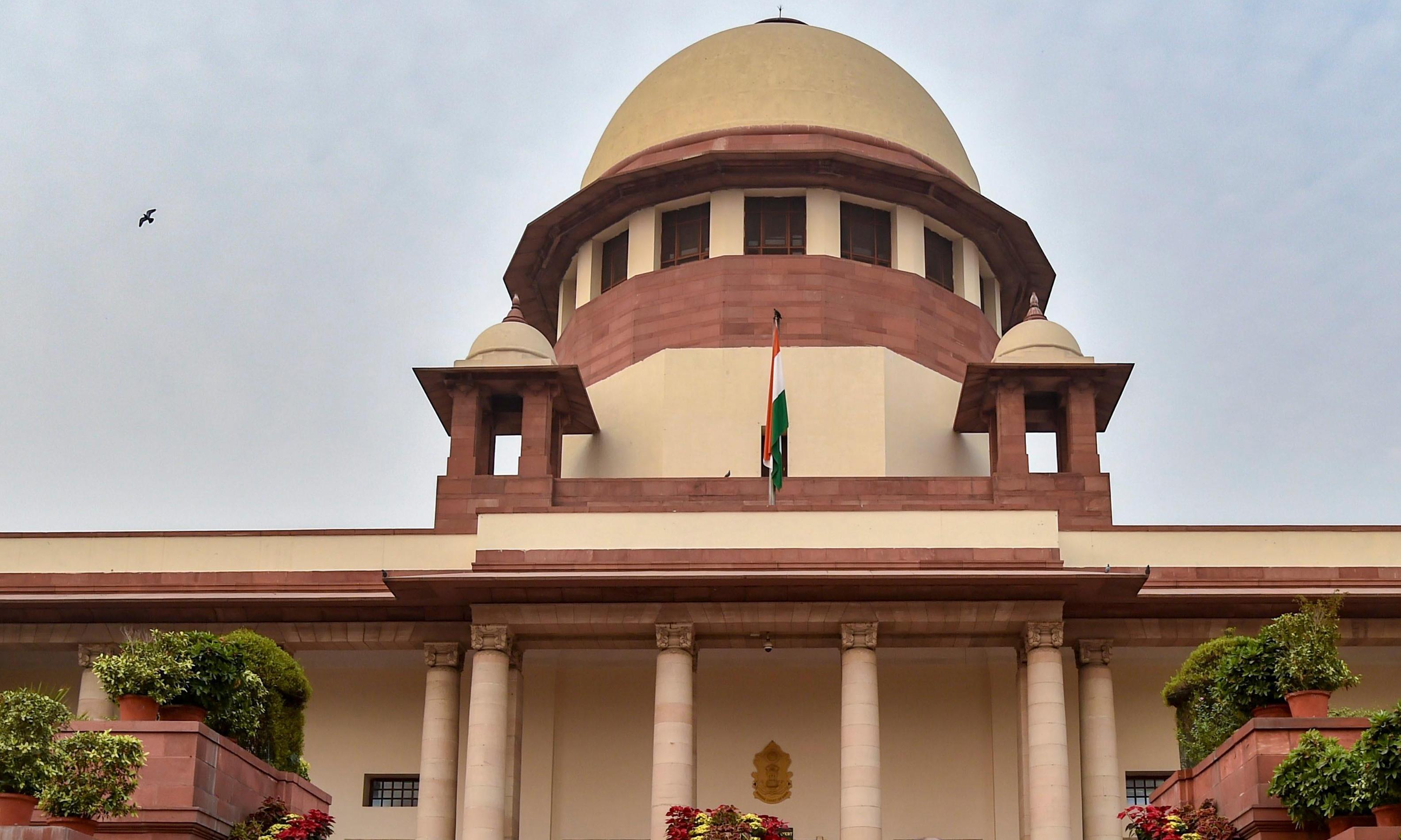
Courts Halt Society Results, Uphold Insecticide Detention in Telangana

University of Hyderabad Lecture Examines Journalism in the AI Era

Backlash Grows as Flock Surveillance Cameras Spread Across America
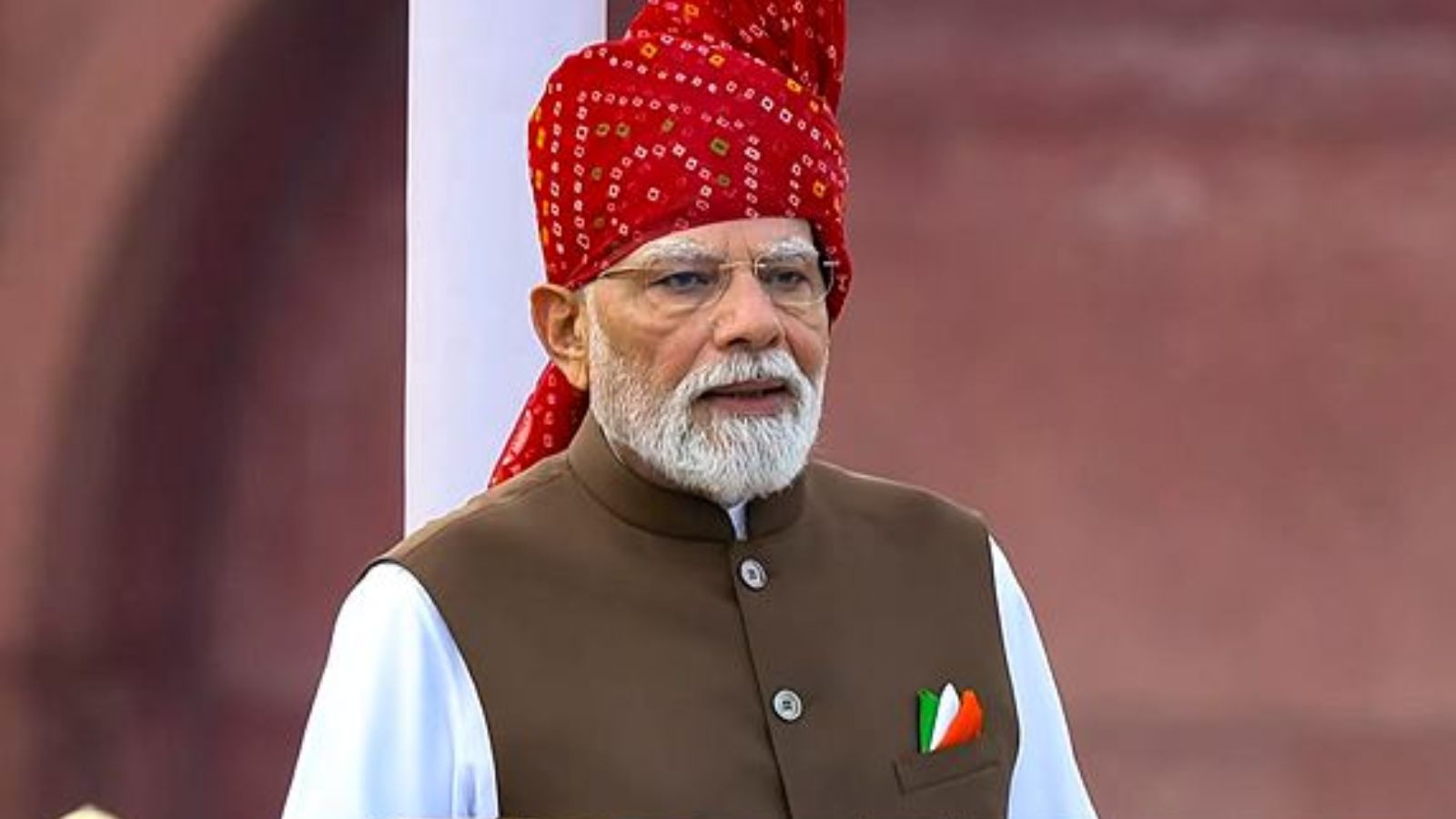
‘Dimagi Naxal’ Debate Casts Dissent as Political Threat
Satirical 'Dimagi Naxal Party' Trends on Instagram After Modi's Speech
