2 weeks ago
'Dimagi Naxal' remark shows Modi running out of enemies
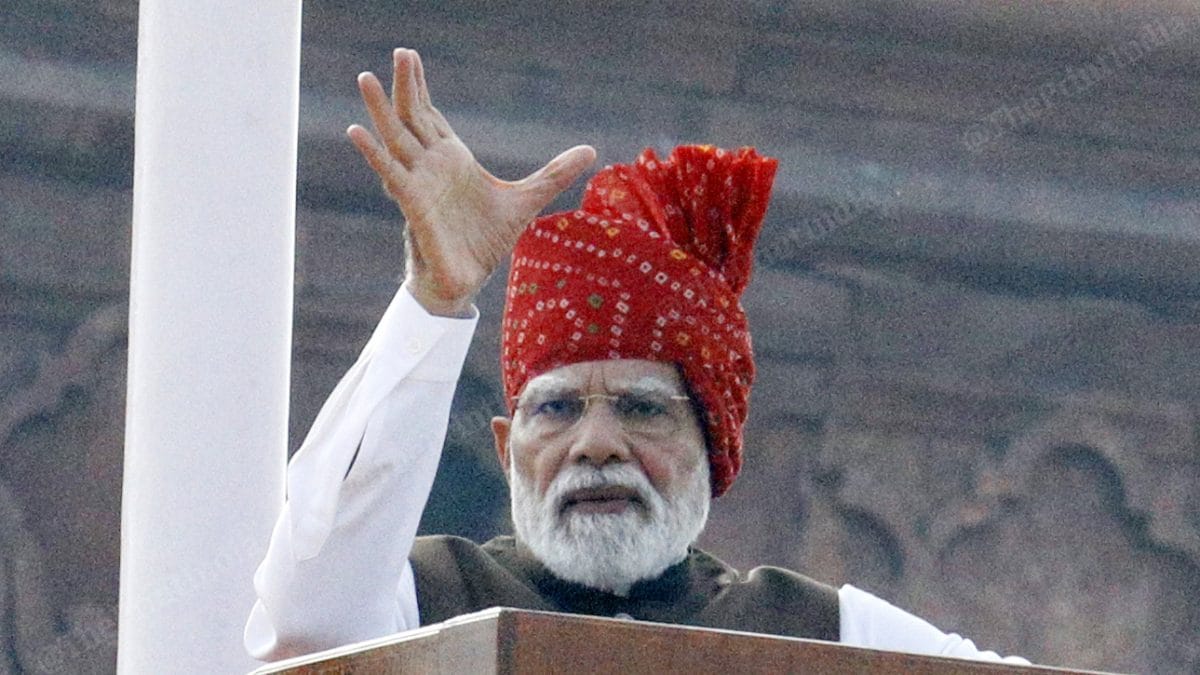
Every year on India's Independence Day, the Prime Minister gives a big speech from an old fort called the Red Fort.
This year, PM Narendra Modi used a new word in his speech: 'Dimagi Naxal.'
Naxals are a group the government considers dangerous, so the phrase means someone with dangerous thoughts.
Modi said people with these thoughts want to trick the country and its young people, and they should be found and kept away.
But he did not explain exactly who counts as a 'Dimagi Naxal,' and many people are confused.
Leaders from his own party used the word for people who missed the ceremony, while a minister described it as people who want to split the country.
The article's writer thinks the word is unfair and could make people afraid to ask questions.
She says India is proud of its smart people and new ideas, but this word makes thinking itself look suspicious.
Many young Indians are upset about leaked exam papers and jobs that never came.
The writer believes Modi can no longer blame outsiders easily and now faces hard questions from the generation he built.

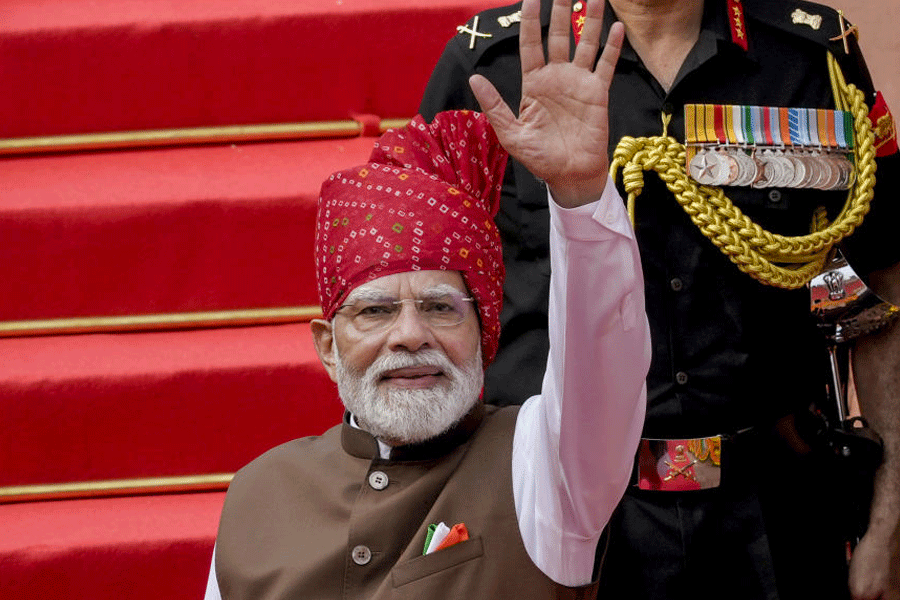
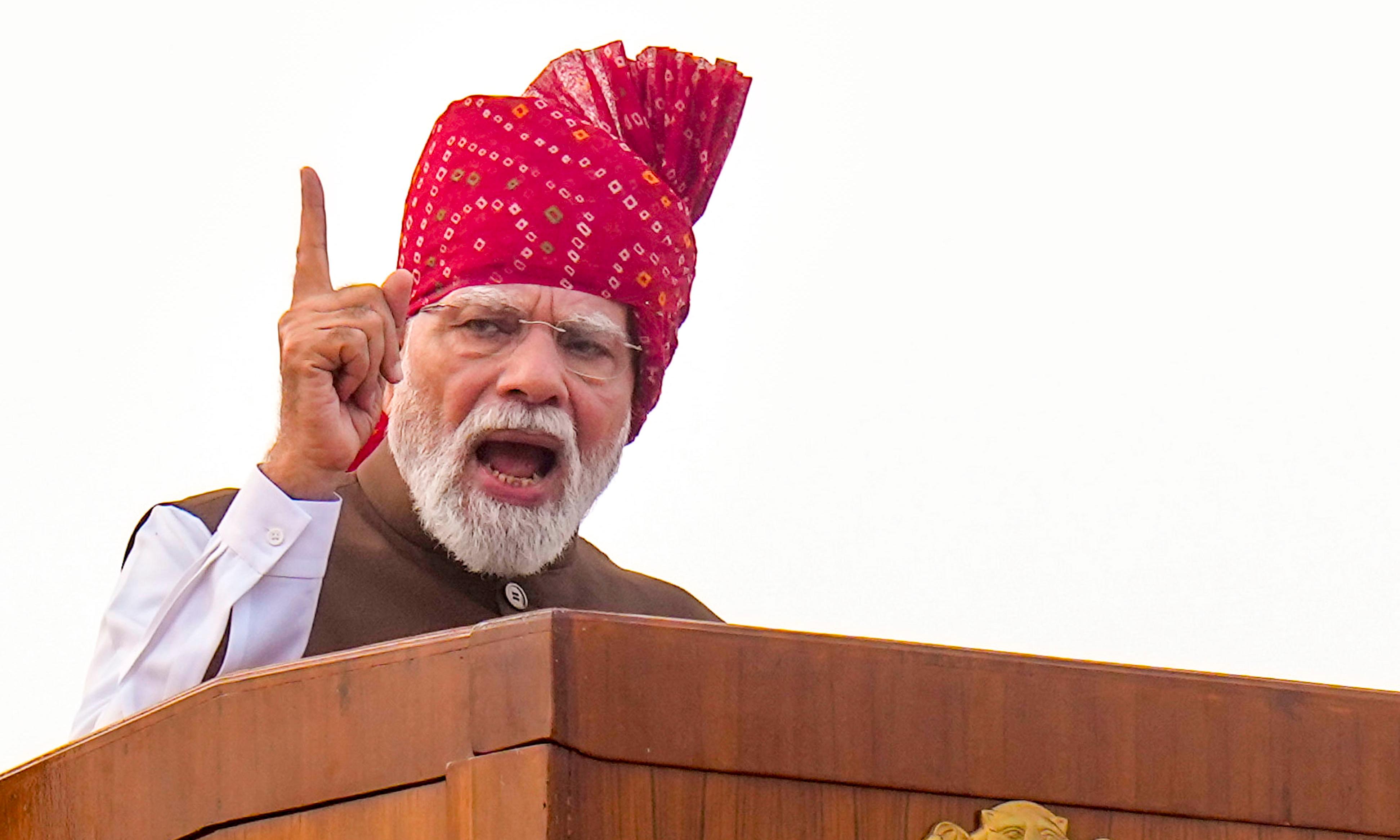
On India's 80th Independence Day, PM Narendra Modi coined the term 'Dimagi Naxal' at the Red Fort, saying such people must be 'identified and isolated'.
A BJP spokesperson linked Rahul Gandhi and Mallikarjun Kharge's absence from the ceremony to the 'mindset of a Dimagi Naxal ecosystem'.
Commentary cited by a BJP minister described a Dimagi Naxal as a Maoist sympathiser, constitutional subversive, and separatist seeking Article 370 restoration.
Opposition leader P Chidambaram declared he was proud to be a Dimagi Naxal, while social media users joked about forming a 'Dimagi Janta Party'.
The article argues Modi has run out of nameable enemies, facing a generation angered by leaked examination papers and stalled recruitments.
- Who
- PM Narendra Modi, who coined the phrase; Congress leaders Rahul Gandhi and Mallikarjun Kharge, targeted by a BJP spokesperson; and former minister P Chidambaram, who embraced the label.
- What
- Modi introduced the term 'Dimagi Naxal' for people he says carry Naxalite ideology and mislead the country, prompting debate over the vague, undefined label and its effect on dissent.
- Where
- Red Fort, New Delhi, India.
- When
- India's 80th Independence Day, with reaction emerging on social media within a day.
- Why
- Modi called for such people to be 'identified and isolated'; critics argue the government reached for the label because it cannot name the forces behind growing youth discontent.
Critics of the label
Government and BJP supporters
Meaning and scope of 'Dimagi Naxal'
Critics of the label
The term is undefined and dangerously elastic, stretching from skipping a ceremony to treasonous separatism, which makes it meaningless in national-security terms.
Government and BJP supporters
It identifies people carrying Naxalite ideology who seek to mislead the country and its youth, and such people must be identified and isolated.
Effect on intellectuals and dissent
Critics of the label
It turns India's thinking people into a category of political suspicion, contradicting the country's ambition as a knowledge power.
Government and BJP supporters
It is a legitimate national-security warning against ideological subversives the government considers a threat.
Appropriateness of the Independence Day message
Critics of the label
Unlike past prime ministers' unifying words, the phrase subtracts from the national imagination by isolating fellow Indians on a podium meant to speak for everyone.
Government and BJP supporters
The Prime Minister is entitled to use the national platform to name internal threats to unity and security.
Key facts
- Speaker
- Prime Minister Narendra Modi
- Occasion
- 80th Independence Day speech at the Red Fort
- New term
- Dimagi Naxal (mental Naxal)
- Modi's call
- Identify and isolate those carrying Naxalite ideology who seek to mislead the country and its youth
- BJP spokesperson's use
- Linked Rahul Gandhi and Mallikarjun Kharge's absence from the ceremony to a 'Dimagi Naxal ecosystem' mindset
- BJP minister's description
- Maoist sympathiser, constitutional subversive, separatist wanting Article 370 restored or the Northeast severed
- Historical vocabulary
- Nehru (scientific temper), Shastri (Jai Jawan, Jai Kisan), Vajpayee (Jai Vigyan), Manmohan Singh (knowledge economy)
- Author
- Shruti Vyas, journalist based in New Delhi
Quotes
Article writer
Opining author of the analysis
“At the first sentence of the headline, the article comments that Modi has become the establishment and is running out of enemies to name.”
 theprint.in
Sources
Related news
Opposition leaders hit back at Modi's 'dimagi Naxal' remark
‘Dimagi Naxal’ Debate Casts Dissent as Political Threat
Modi's 'Dimaagi Naxal' remark sparks political row over dissent
Congress dubs Modi 'master abuser' over 'dimaagi Naxals' remark
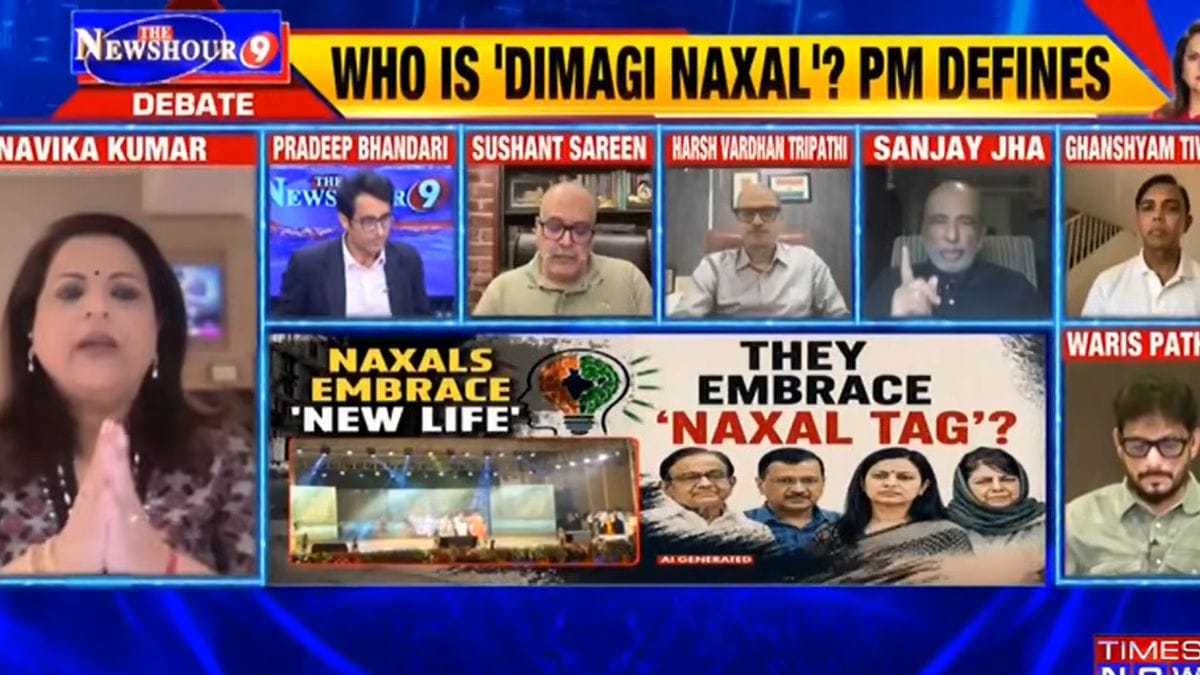
Media Debate Intensifies Over Modi’s ‘Dimagi Naxals’ Remark
PM Modi Urges Identification, Isolation of 'Dimagi Naxals'
Ayodhya Temple CEO Appointment Faces Opposition Donation Allegations

Telangana BJP Alleges Congress, BRS Avoid Hyderabad Liberation Day
Haryana sanitation workers’ strike puts BJP government under pressure

Rival NC-BJP Protests Roil J&K as Police Halt Marches
Shivakumar Calls BJP Padayatra Cover-Up for Internal Crisis