44 mins ago
India’s Hilsa Exports to Bangladesh Mark a Trade Reversal
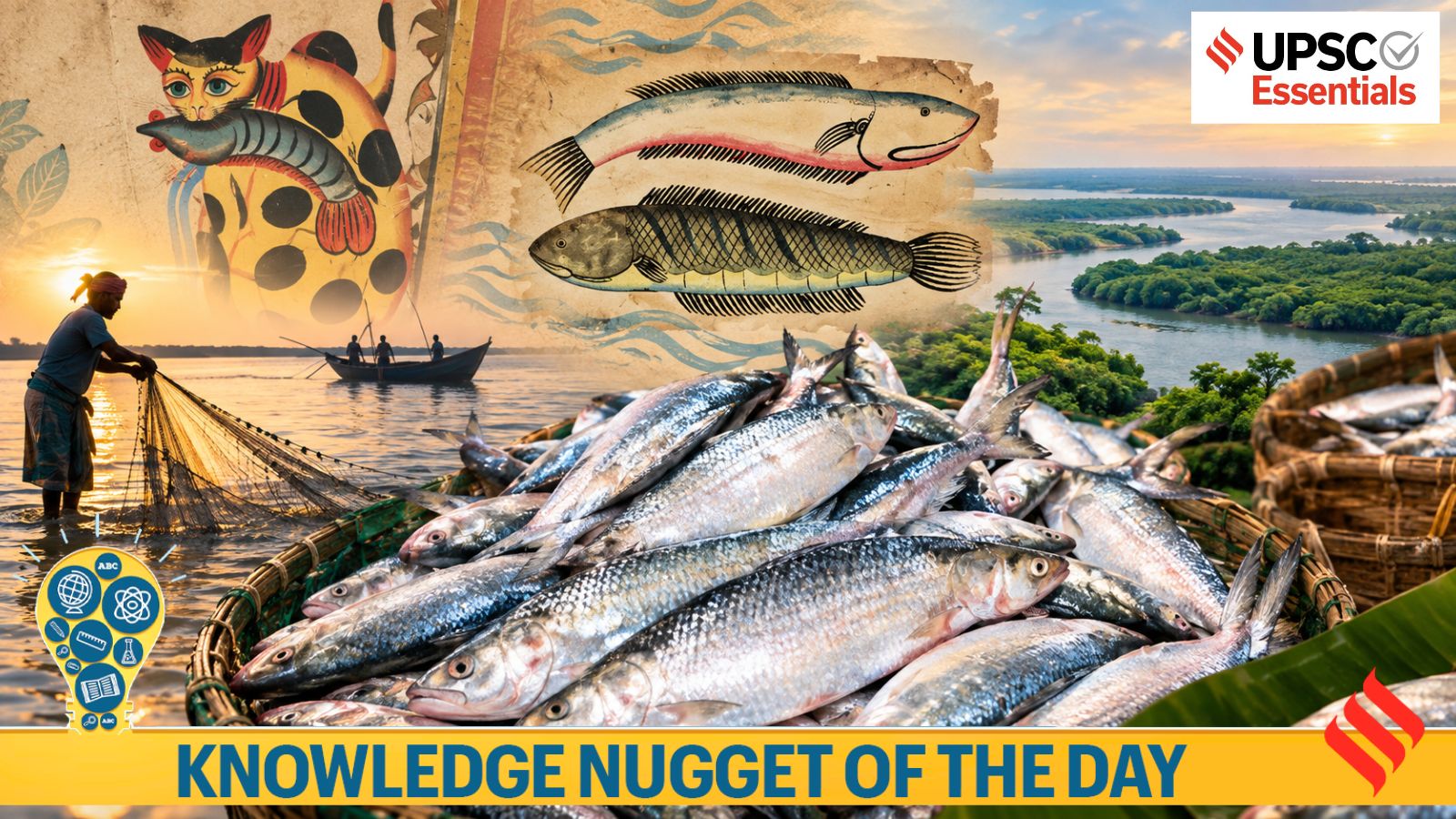
Hilsa is a fish that is very important to people in Bengal and Bangladesh.
In Bengali, it is called Ilish.
The fish swims from the sea into rivers to lay eggs.
India usually receives Hilsa from Bangladesh during the Durga Puja season.
However, Bangladesh has paused Hilsa exports to India.
Now, India has sent about 500 tonnes of Hilsa to Bangladesh.
Much of this fish came from Gujarat and passed through Howrah.
Traders believe this change shows that fish supplies and demand are changing in both countries.

India has exported about 500 tonnes of Hilsa to Bangladesh through Petrapole in the past two months.
Traders expect another 150–200 tonnes to be exported in the coming weeks.
Much of the fish comes from Gujarat’s Bharuch region and moves through Howrah.
Hilsa, or Ilish, migrates from the ocean to rivers to spawn and is West Bengal’s state fish.
The trade reversal follows Bangladesh’s pause on Hilsa exports to India and changing supply and demand patterns.
- Who
- Indian fish traders and exporters are sending Hilsa to Bangladesh, while Bangladesh is a major consumer of the fish.
- What
- India has exported about 500 tonnes of Hilsa to Bangladesh and may send another 150–200 tonnes.
- Where
- Shipments have passed through Petrapole in West Bengal; much of the fish came from Gujarat’s Bharuch region and some moved through the Howrah fish market.
- When
- The exports took place over the past two months, with additional shipments expected in the coming weeks; Hilsa breeding migrations occur from mid-February to April and September-October.
- Why
- The reversal reflects changing production, availability and consumer demand, while Bangladesh has paused its traditional Hilsa exports to India.
Key facts
- Fish
- Hilsa, also known as Ilish in Bengali; scientific varieties mentioned are Tenualosa ilisha and Tenualosa toli ilish.
- Exports so far
- About 500 tonnes sent to Bangladesh in the past two months.
- Expected exports
- Traders anticipate an additional 150–200 tonnes in the coming weeks.
- Main source
- A substantial portion comes from Gujarat, particularly the Bharuch region.
- Export route
- Shipments have moved through Petrapole land port and the Howrah fish market.
- Cultural importance
- Hilsa is West Bengal’s state fish, Bangladesh’s national fish and a major Bengali cultural and culinary symbol.
- Government scheme
- Pradhan Mantri Matsya Sampada Yojana supports sustainable fisheries development and improvements across the fisheries value chain.
Quotes
Syed Anwar Maqsood
Secretary of the Fish Importers Association in Bengal and the Howrah wholesale fish market
“This is the first time Hilsa from our country is being exported to Bangladesh. It is a welcome development. Most of the catch is from Gujarat.”
 indianexpress.com

Food and Agriculture Organization of the United Nations
United Nations organization providing the article’s definition of aquaculture
“The farming of aquatic organisms including fish, molluscs, crustaceans and aquatic plants. Farming implies some sort of intervention in the rearing process to enhance production, such as regular stocking, feeding, protection from predators, etc.”
indianexpress.com
Sources
Related news
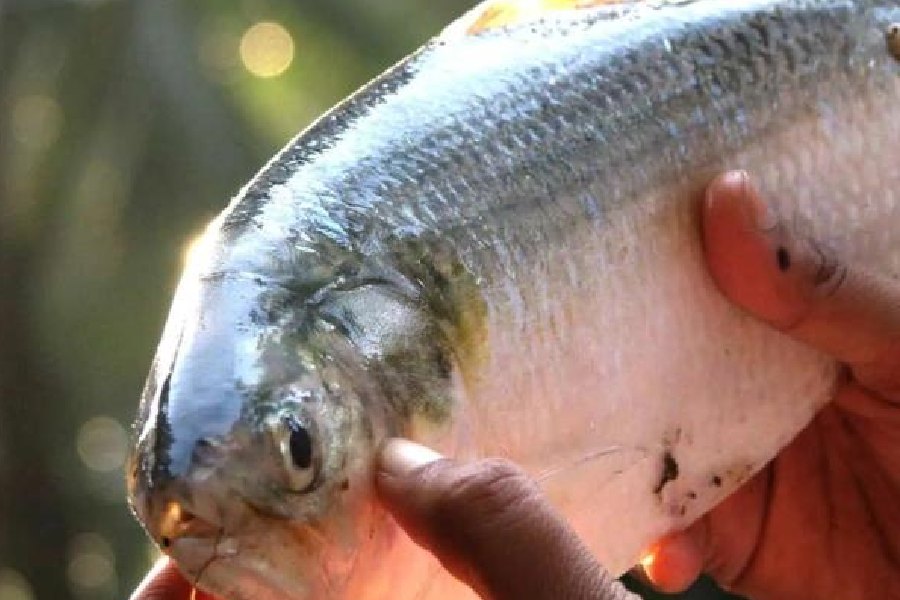
India Sends 500 Tonnes of Hilsa to Bangladesh Amid Shortage
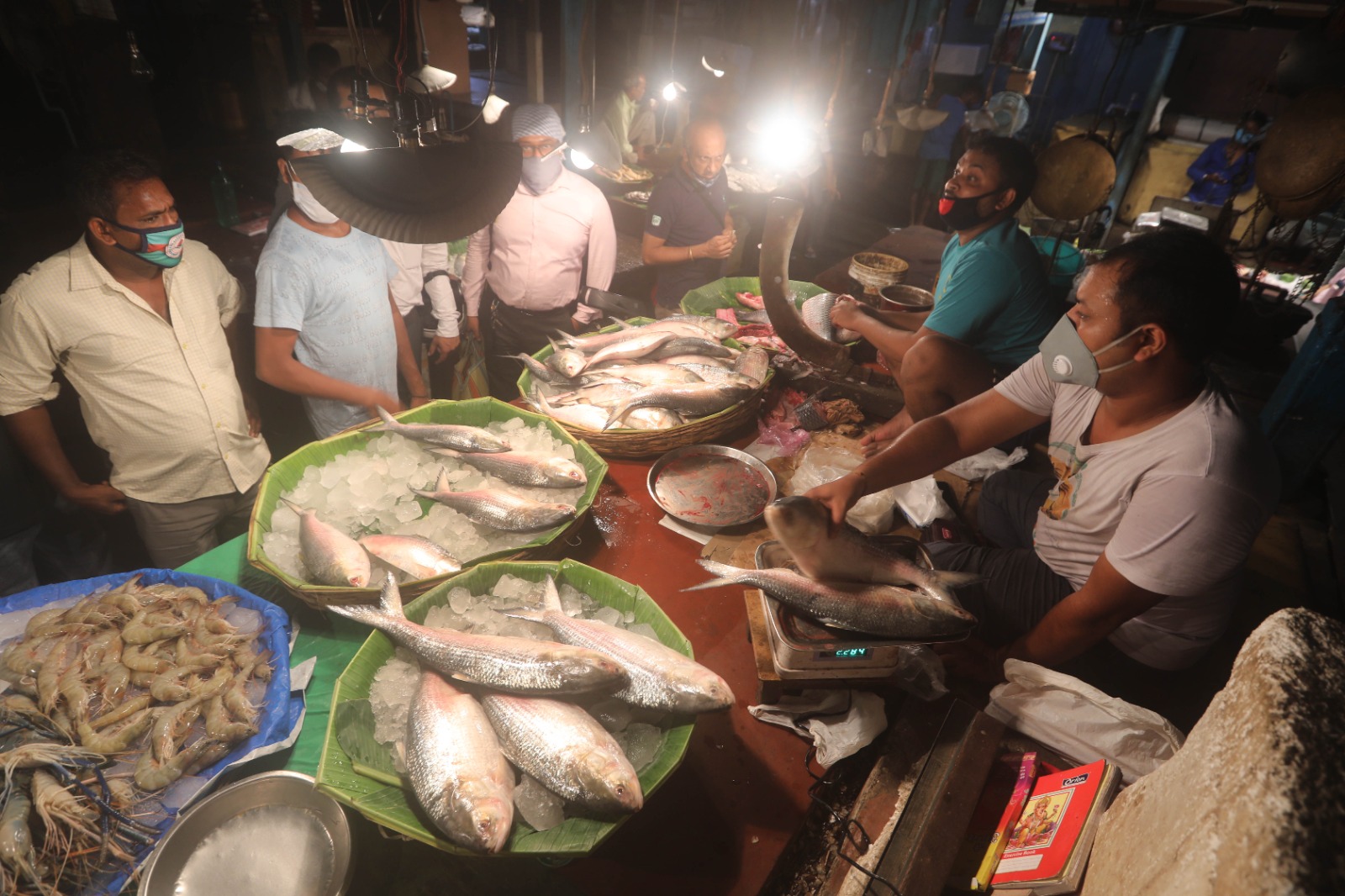
Hilsa Crosses Borders as Trade Challenges Its Culinary Pedigree

Indian Importers Seek Bangladesh Hilsa Exports Ahead of Durga Puja
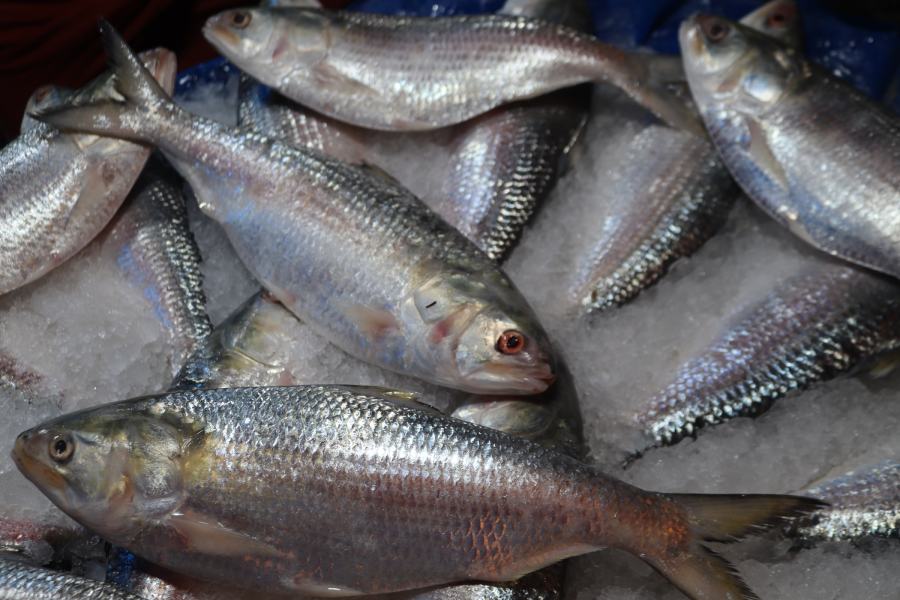
India’s Hilsa Exports to Bangladesh Unlikely to Lift Kolkata Prices
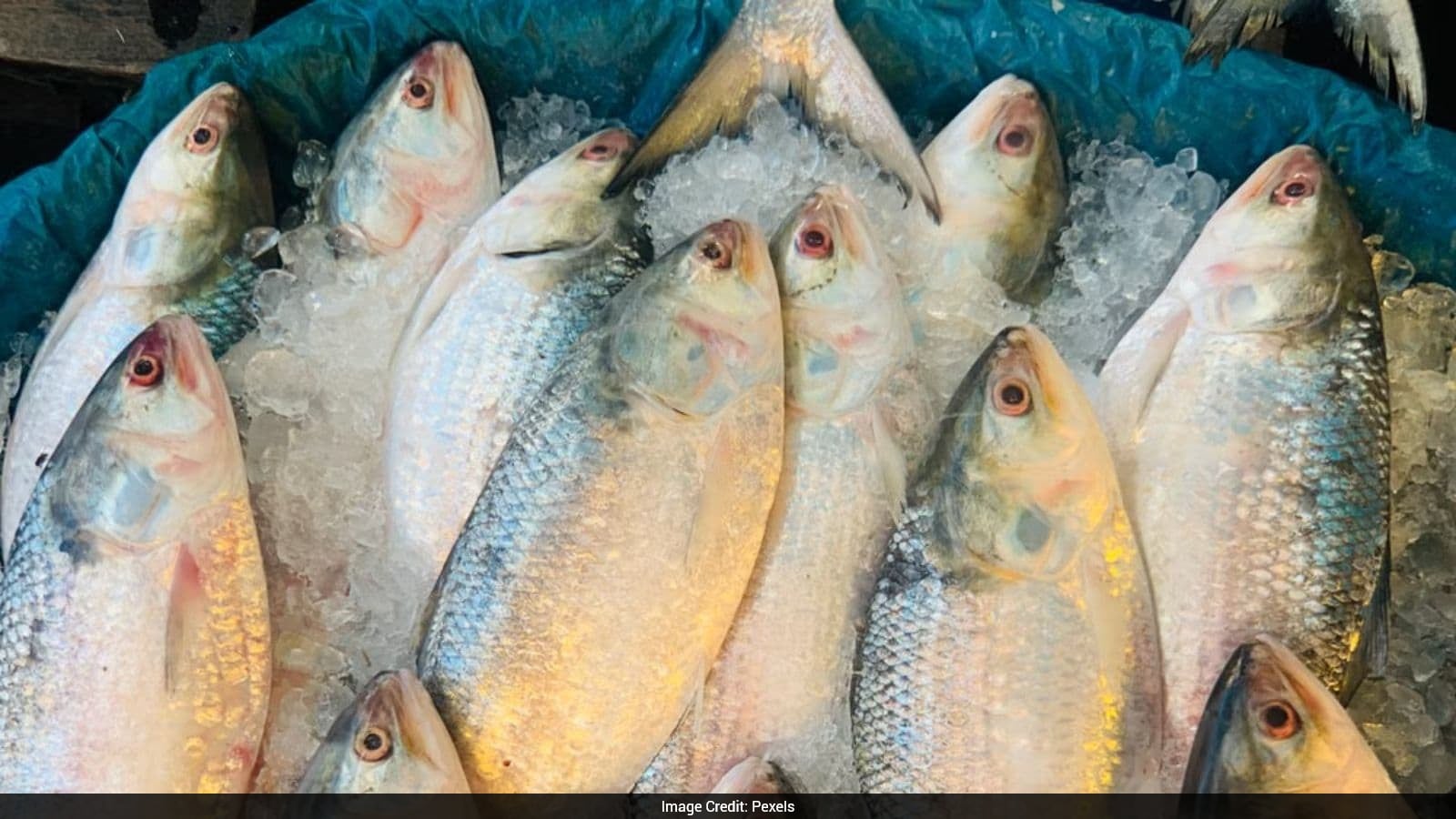
Hilsa Breeding Grounds Shift From Bengal To Gujarat

Hilsa and Mustard: The Enduring Culinary Romance of Bengal
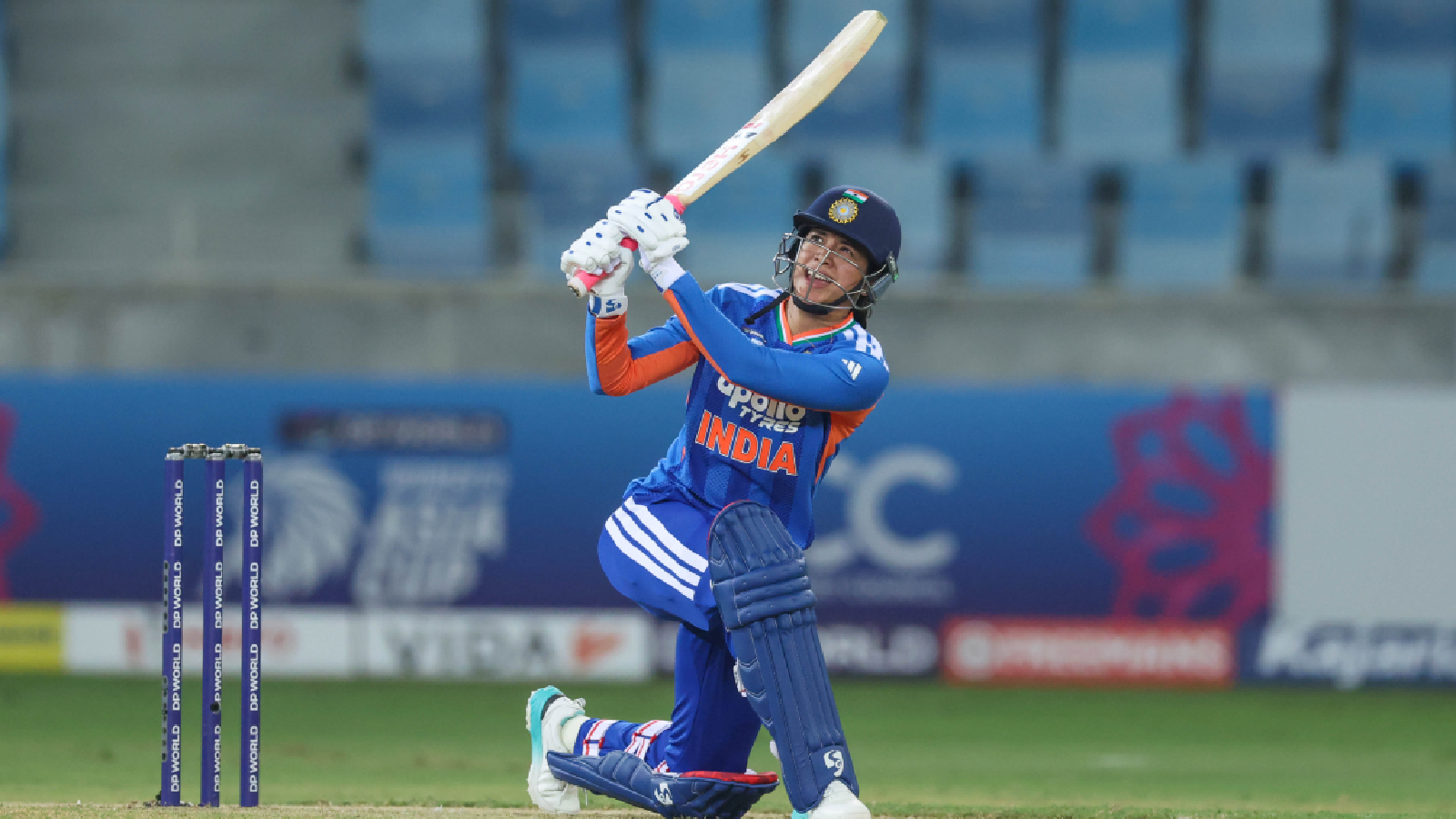
Smriti Mandhana Becomes Women’s T20I Run-Scoring Leader During Asian Games Semifinal
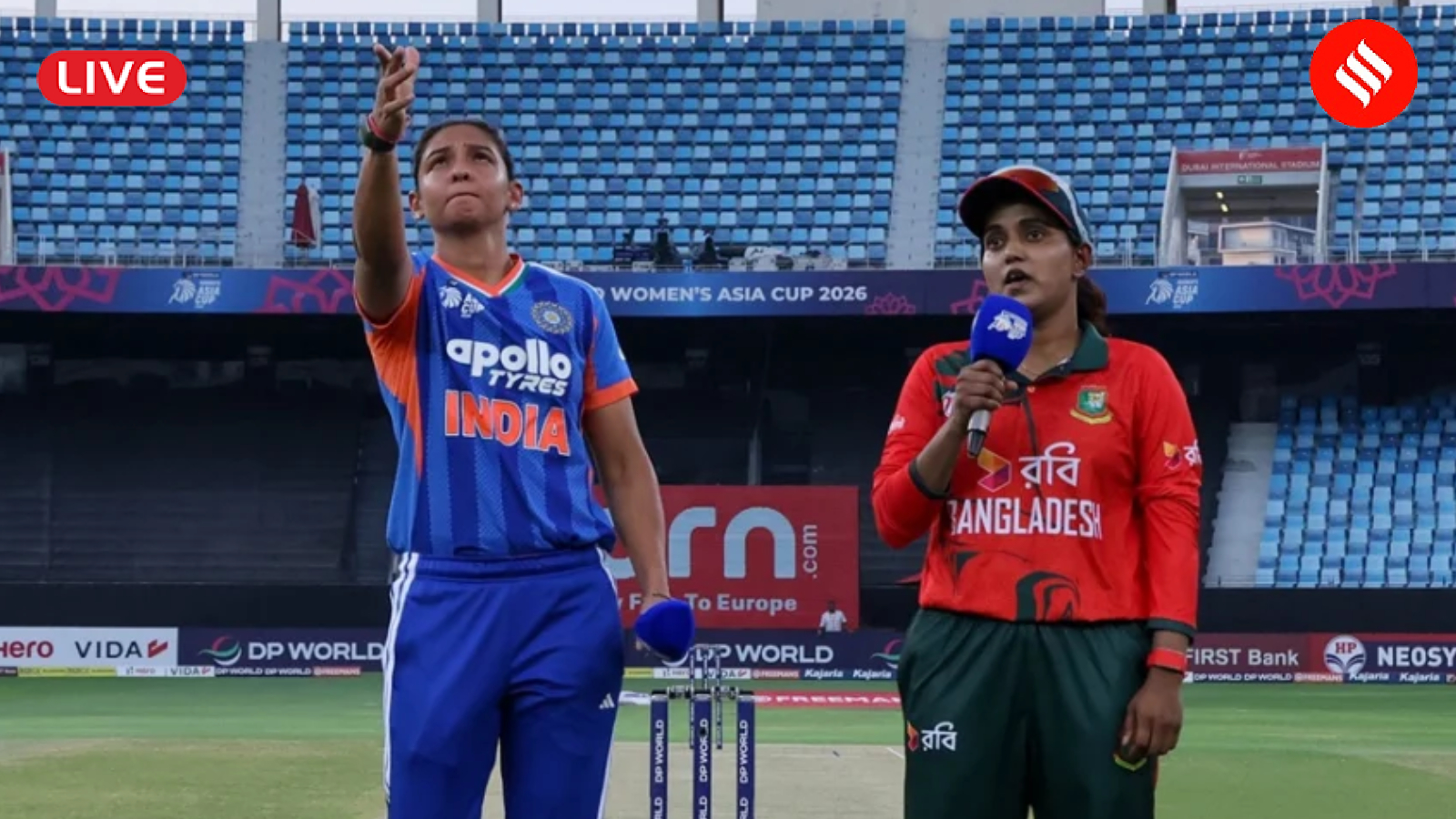
India Bat First Against Bangladesh in Asian Games Semifinal
‘Cleared SIR, Voted’: Woman Challenges Husband’s Detention Before Court

India Opt to Bat Against Bangladesh in Asian Games Semifinal