3 hrs ago
Hilsa Crosses Borders as Trade Challenges Its Culinary Pedigree
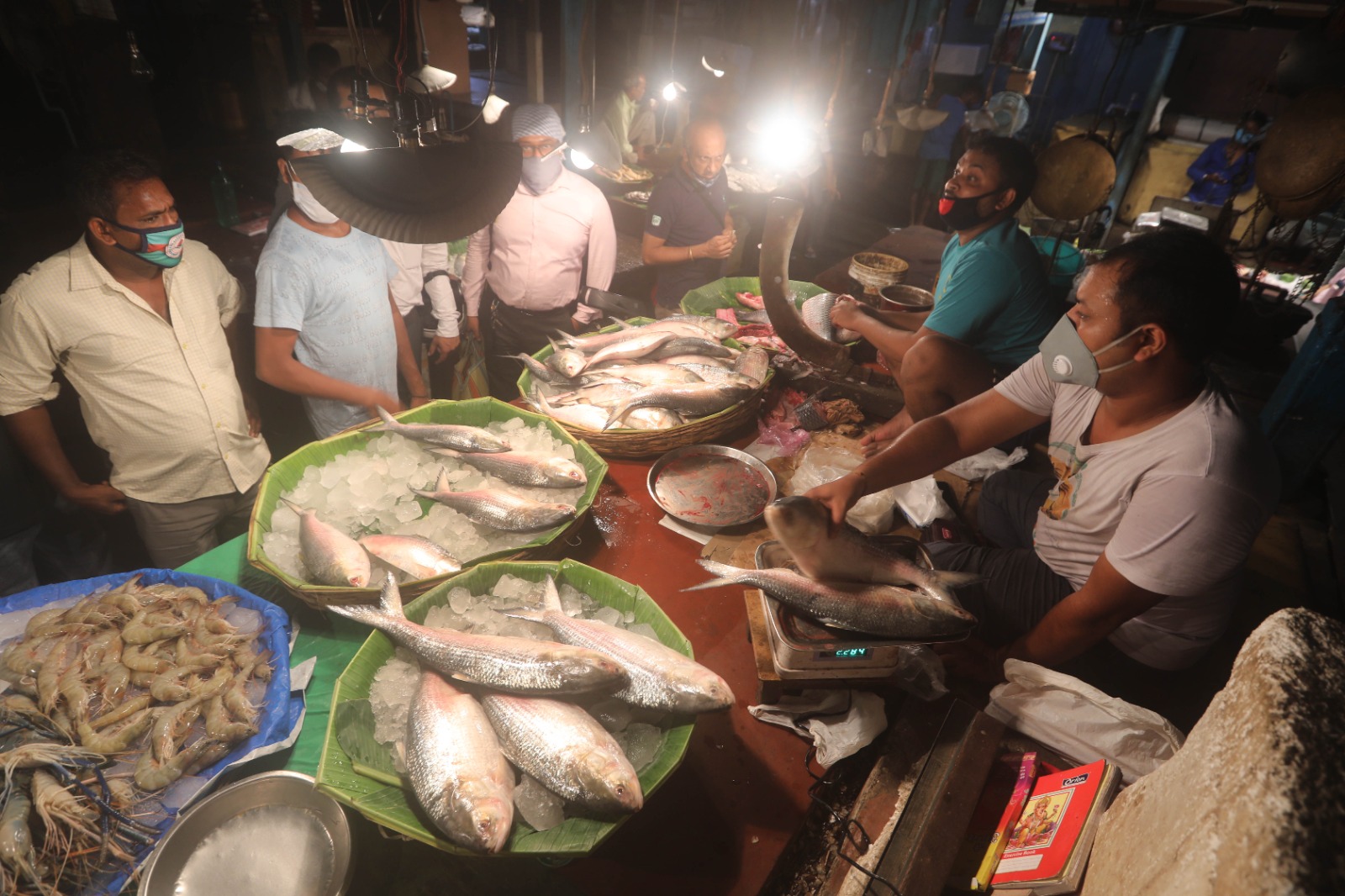
Hilsa is a fish that lives in seas and rivers around South Asia.
People in Bengal often argue about whether fish from the Padma or Ganga tastes better.
Recently, about 500 tonnes of hilsa entered Bangladesh, much of it from Gujarat.
Bangladeshi buyers reportedly liked the Gujarati fish because it contained a lot of roe.
This shows that people may choose the fish that is easiest to obtain.
Hilsa is also known as ilish, pulasa or palla in different regions.
Bengalis and Sindhis cook it in many different ways.
The article says the fish is important not only for prestige and tradition, but also for feeding people.

Around 500 tonnes of hilsa entered Bangladesh over the past two months, much of it from Gujarat.
Bangladeshi buyers reportedly value Gujarati hilsa for its high roe content.
The article argues that availability and trade often matter more than regional claims about quality.
Hilsa ranges from the Bay of Bengal to Arabian Sea coasts and estuaries, acquiring names such as ilish, pulasa and palla.
Bengali and Sindhi communities have developed distinct dishes and traditions around the fish.
- Who
- Bangladeshi buyers, Gujarati suppliers and communities across South Asia connected to hilsa.
- What
- Around 500 tonnes of hilsa entered Bangladesh, highlighting the fish’s regional trade, culinary traditions and cultural claims.
- Where
- The fish trade involved Bangladesh and Gujarat, while hilsa traditions span Bengal, the Indus region and the wider Indian Ocean.
- When
- Over the past two months; the article also discusses historical references from the 19th century.
- Why
- Bangladesh’s supplies appeared shorter, while Gujarati hilsa attracted buyers because of its high roe content; trade helped move the fish across regions.
Regional Pedigree
Availability and Trade
What determines good hilsa?
Regional Pedigree
Padma supporters describe Bangladeshi hilsa as fattier and more fragrant, while Ganga supporters emphasize sharper flavour, distinctive aroma and local pedigree.
Availability and Trade
The article argues that people often eat what is readily available, and that trade can make fish from another region an appealing substitute.
What does hilsa represent?
Regional Pedigree
For many Bengalis and Sindhis, hilsa is a marker of regional identity, culinary tradition and cultural stories.
Availability and Trade
The fish’s broader history also shows it as nourishment, a livelihood and a food preserved for leaner times.
Key facts
- Imported volume
- Around 500 tonnes of hilsa crossed into Bangladesh over two months.
- Main source mentioned
- Much of the imported fish came from Gujarat.
- Buyer preference
- Gujarati hilsa was reportedly attractive because of its high roe content.
- Roe use
- Some roe was processed separately, while the rest was to be dried for domestic consumption.
- Regional names
- The fish is called ilish in Bengal, pulasa on the Godavari and palla on the Indus.
- Bengali preparations
- Examples include bhapa ilish, shorshe ilish, ilish bharta and ilish pantha.
- Sindhi preparations
- Examples include kok palla, palla chawal, aani and wadi-ji-machhi.
Sources
Related news
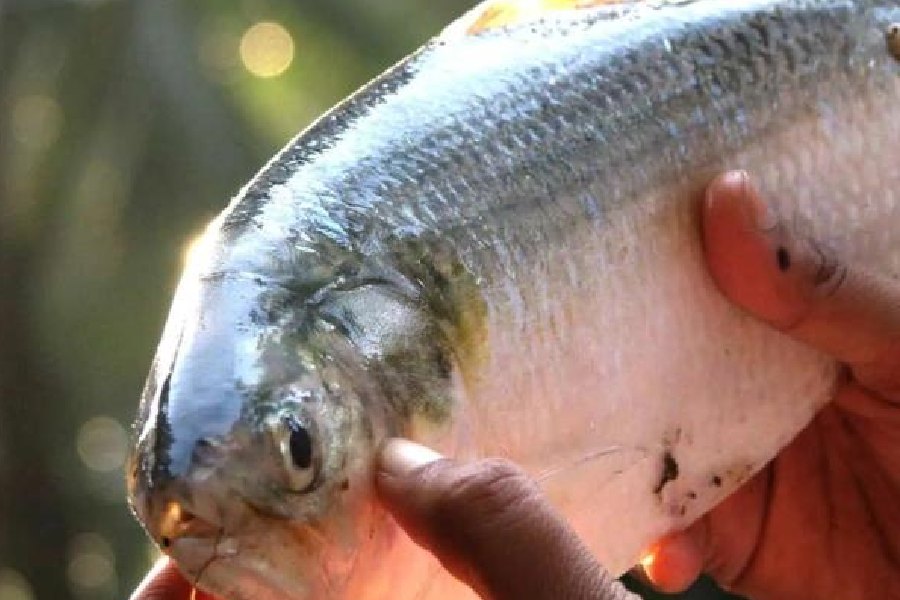
India Sends 500 Tonnes of Hilsa to Bangladesh Amid Shortage

Hilsa and Mustard: The Enduring Culinary Romance of Bengal
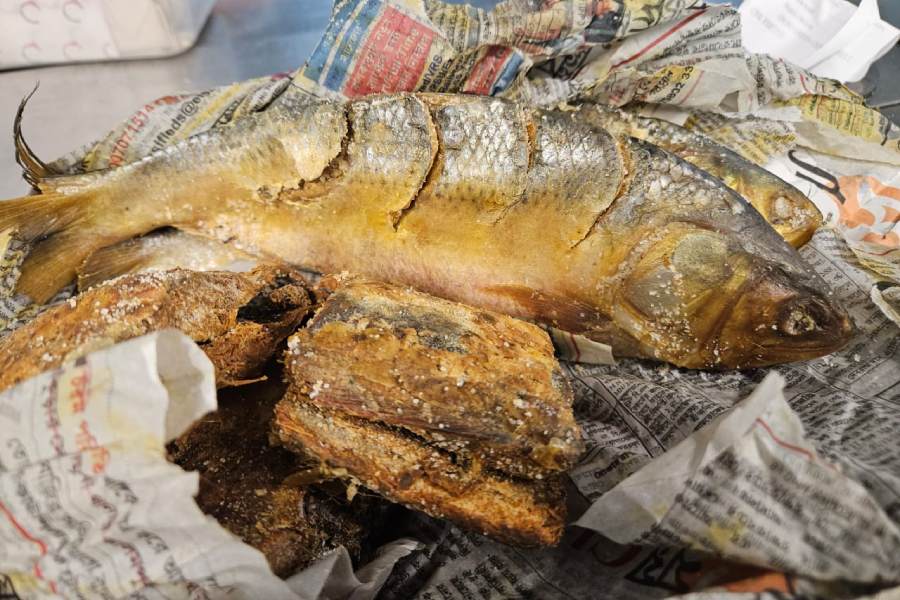
Nona Ilish Keeps Bengal’s Salted Hilsa Tradition Alive

Indian Importers Seek Bangladesh Hilsa Exports Ahead of Durga Puja
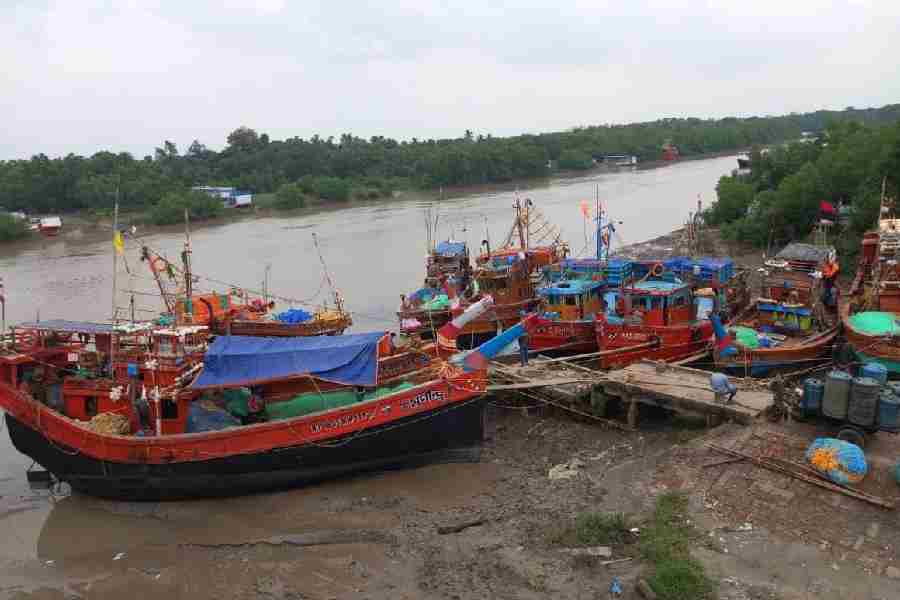
Rough Weather Lowers Hilsa Catch, Leaving Bengal Fishermen Facing Losses

How India’s Fish Survive in Freshwater and the Sea

Bangladesh Reviews 101 India Agreements Under Previous Government

Bangladesh Captain Litton Das Celebrates Ganesh Chaturthi With Family

Two Held, Four Pipe Guns Seized Near Bangladesh Border

Indian Man Suspected as Bangladeshi Released After Three Months