

19 hrs ago
Hilsa and Mustard: The Enduring Culinary Romance of Bengal

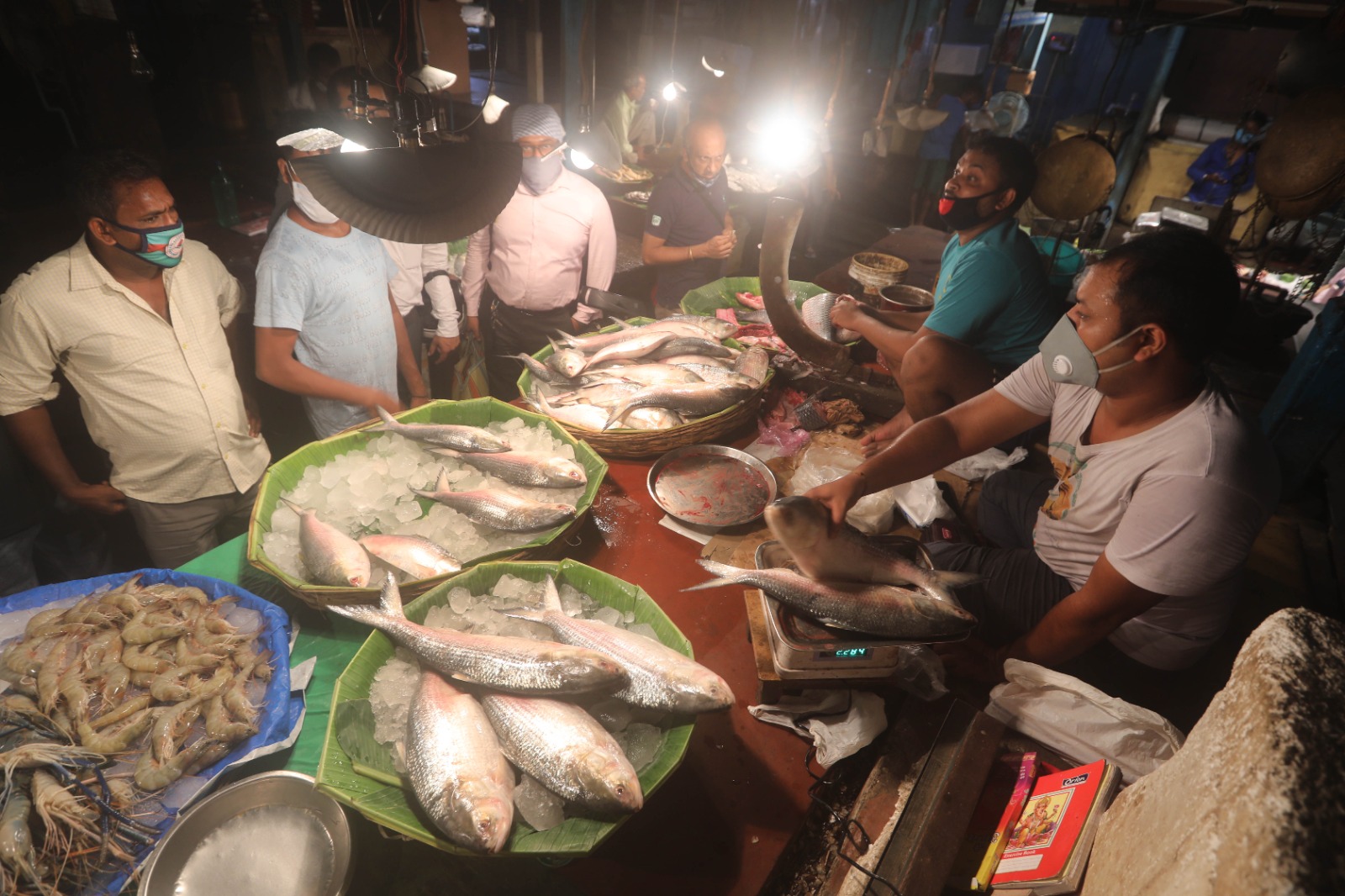
Hilsa is a fish that Bengali people have enjoyed for many generations.
It is also called ilish maach.
Eating it takes patience because it has many small bones.
People carefully separate the meat from the bones before enjoying it.
Hilsa can be found throughout the year.
The best time to eat it is usually from July to September.
During this period, the fish is mature, plump, and moving into freshwaters.
Mustard helps bring out the fish’s flavor.
It can be used as seeds, oil, paste, or essence.
Together, hilsa and mustard form a famous Bengali food pairing.

Hilsa, or ilish maach, is a central part of Bengali food culture.
Eating hilsa requires patience and skill because the fish contains many bones.
Although hilsa is available year-round, July through September is considered its best season.
The fish is especially valued when it is mature, plump, and migrating to freshwaters.
Mustard in forms such as seeds, oil, paste, or essence is presented as hilsa’s essential culinary partner.
- Who
- Bengali diners and generations of Bengali food lovers are associated with this culinary tradition.
- What
- The article describes the longstanding pairing of hilsa fish with mustard in Bengali cuisine.
- Where
- The tradition is associated with Bengal, while the fish is described as migrating to freshwaters.
- When
- Hilsa is available year-round, but July through September is considered its prime season.
- Why
- Mustard is portrayed as bringing hilsa to life and completing its flavor, although the article does not explain the historical origin of the pairing.
Key facts
- Fish
- Hilsa, also known as ilish maach
- Prime season
- July through September
- Availability
- Available all year round
- Best qualities
- Mature and plump fish are especially valued
- Key ingredient
- Mustard
- Mustard forms
- Seeds, oil, paste, or essence
- Eating experience
- Diners patiently sift through the meat to remove the fish’s many bones
Sources
Related news
Hilsa Crosses Borders as Trade Challenges Its Culinary Pedigree
Nona Ilish Keeps Bengal’s Salted Hilsa Tradition Alive

Indian Importers Seek Bangladesh Hilsa Exports Ahead of Durga Puja
India Sends 500 Tonnes of Hilsa to Bangladesh Amid Shortage

Rough Weather Lowers Hilsa Catch, Leaving Bengal Fishermen Facing Losses

How India’s Fish Survive in Freshwater and the Sea

Hyderabad Cricket Opens With Big Scores And Hauls

India’s Food Wars Ignore Its Diverse Vegetarian and Non-Vegetarian Traditions

ICMR Chief Warns Dengue Mosquitoes Breed Around Homes

Bengal Releases ₹313 Crore for 465 GTA Projects
