

1 hr ago
India’s Hilsa Exports to Bangladesh Unlikely to Lift Kolkata Prices
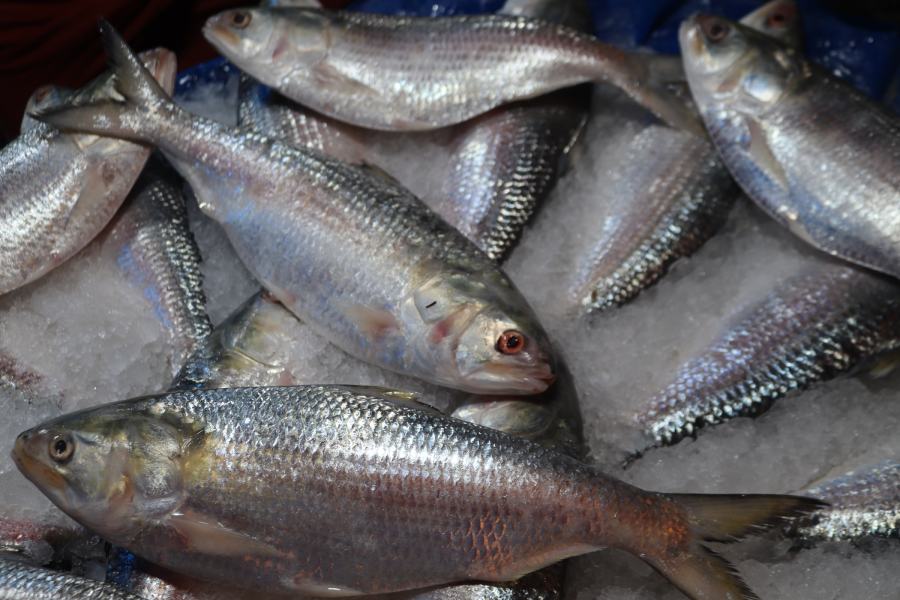
India has recently sent about 500 tonnes of hilsa fish to Bangladesh.
More fish may be sent soon.
This is unusual because Bangladesh has traditionally sent hilsa to Indian markets during the festive season.
The fish being exported mostly comes from Gujarat.
People in Kolkata usually prefer hilsa from places such as Diamond Harbour, Myanmar or the Padma because they believe it tastes better.
Gujarat hilsa has more eggs, or roe, which many Bangladesh buyers like but many Kolkata buyers do not.
Bangladesh is buying more Indian hilsa because its own production is reportedly lower this year.
Experts say this trade should not make Kolkata’s hilsa more expensive, and Bengal could instead sell more preserved or processed hilsa products.

India has exported about 500 tonnes of hilsa to Bangladesh over the past two months, with another 150–200 tonnes possibly being shipped.
Most exported fish comes from Gujarat and is sent through Bharuch port, with some supplies moving through Howrah’s wholesale market.
Kolkata buyers and sellers say Gujarat hilsa is less popular locally because it contains more roe and is considered less flavourful.
Bangladesh is turning to Indian hilsa amid reportedly lower domestic production and demand for roe, dried fish and preserved products.
Experts say the trade is unlikely to raise Kolkata prices but could create opportunities for Bengal to develop processed hilsa exports.
- Who
- India, Bangladesh, hilsa traders, Kolkata consumers and food experts are involved.
- What
- India has exported about 500 tonnes of hilsa to Bangladesh, reversing the traditional direction of seasonal hilsa trade.
- Where
- The fish is mainly sourced from Gujarat and shipped through Bharuch port, with some supplies moving through Howrah; demand is reported in Bangladesh, including Chattogram and Sylhet.
- When
- The exports occurred over the two months before a Press Information Bureau report issued on September 15; further shipments may occur in the coming weeks.
- Why
- Bangladesh is reportedly facing lower hilsa production and is seeking fish for domestic consumption, processing and overseas markets.
Local-market view
Trade-and-processing view
Effect on Kolkata prices
Local-market view
Kolkata buyers and sellers say the exports should not raise local prices because Gujarat hilsa has relatively low demand in the city.
Trade-and-processing view
The expanded trade reflects strong demand in Bangladesh and overseas markets, but the articles do not report evidence that it will directly change Kolkata prices.
Value of Gujarat hilsa
Local-market view
Kolkata consumers and chefs consider roe-rich Gujarat hilsa less desirable because heavy egg development can reduce the fish’s meat, fat balance and flavour.
Trade-and-processing view
Bangladesh buyers value the roe, and experts say roe, dried fish, preserved products and ready-to-cook formats create markets even when the fresh fish is not exceptionally flavourful.
Future for Bengal
Local-market view
Some consumers are more concerned about declining hilsa quality and say river dredging is needed to support the fish’s natural movement.
Trade-and-processing view
A chef argues Bengal could use the trade as an opportunity to develop processed hilsa products such as cured, salted, canned and vacuum-packed fish and roe.
Key facts
- Exported quantity
- About 500 tonnes of hilsa were exported to Bangladesh over two months.
- Possible additional shipments
- Fish traders estimate another 150–200 tonnes could be shipped in the coming weeks.
- Main source
- Most consignments are sourced from Gujarat.
- Shipping route
- Most shipments move through Bharuch port, with some supplies passing through Howrah’s wholesale fish market.
- Kolkata price outlook
- Local buyers and sellers say the exports are unlikely to significantly affect Kolkata prices.
- Market preference
- Bangladesh buyers reportedly value the roe-rich Gujarat hilsa, while Kolkata consumers generally prefer other origins.
- Potential business opportunity
- Experts suggest curing, salting, canning and vacuum-packing hilsa, roe and dried fish for export.
Quotes
Sujan Mukherjee
A chef discussing opportunities for processed hilsa products
“If Bangladesh is finding a market for roe-rich Gujarat hilsa, Bengal should also look at processing and value addition, including curing, salting, canning and vacuum-packing roe and dried fish for export.”
 telegraphindia.com
“Gujarat, in the past few months, has emerged as one of the key producers of ilish in the country. But the hilsa is not as good as the fish we get in the eastern regions.”
telegraphindia.com
Maniktala fish seller
A fish seller at Kolkata’s Maniktala market
“Gujarat ilish is not in demand. The reason is that the quality is not as good as Diamond Harbour, Myanmar or Padma ilish. It has more roe; Kolkata buyers don’t like it.”
telegraphindia.com
Sources
Related news
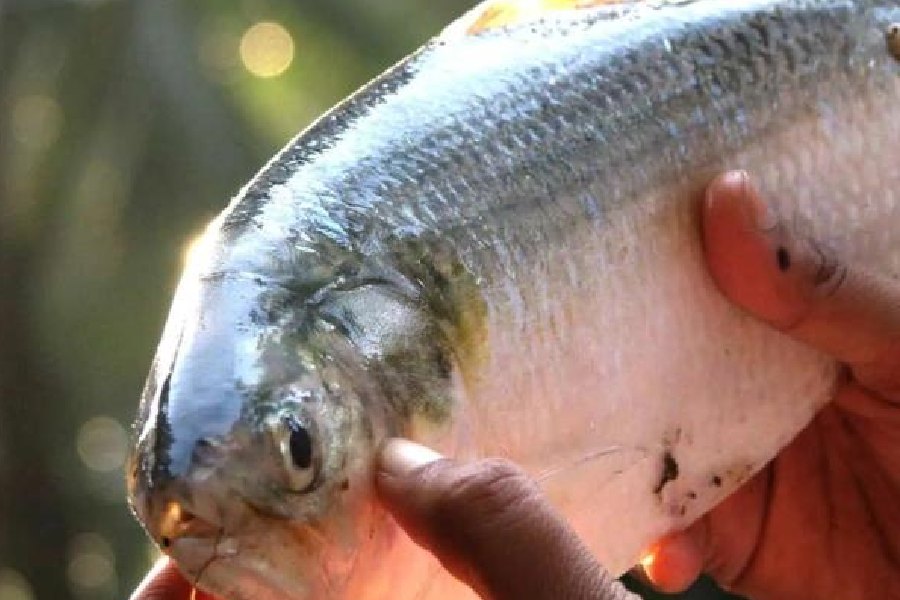
India Sends 500 Tonnes of Hilsa to Bangladesh Amid Shortage
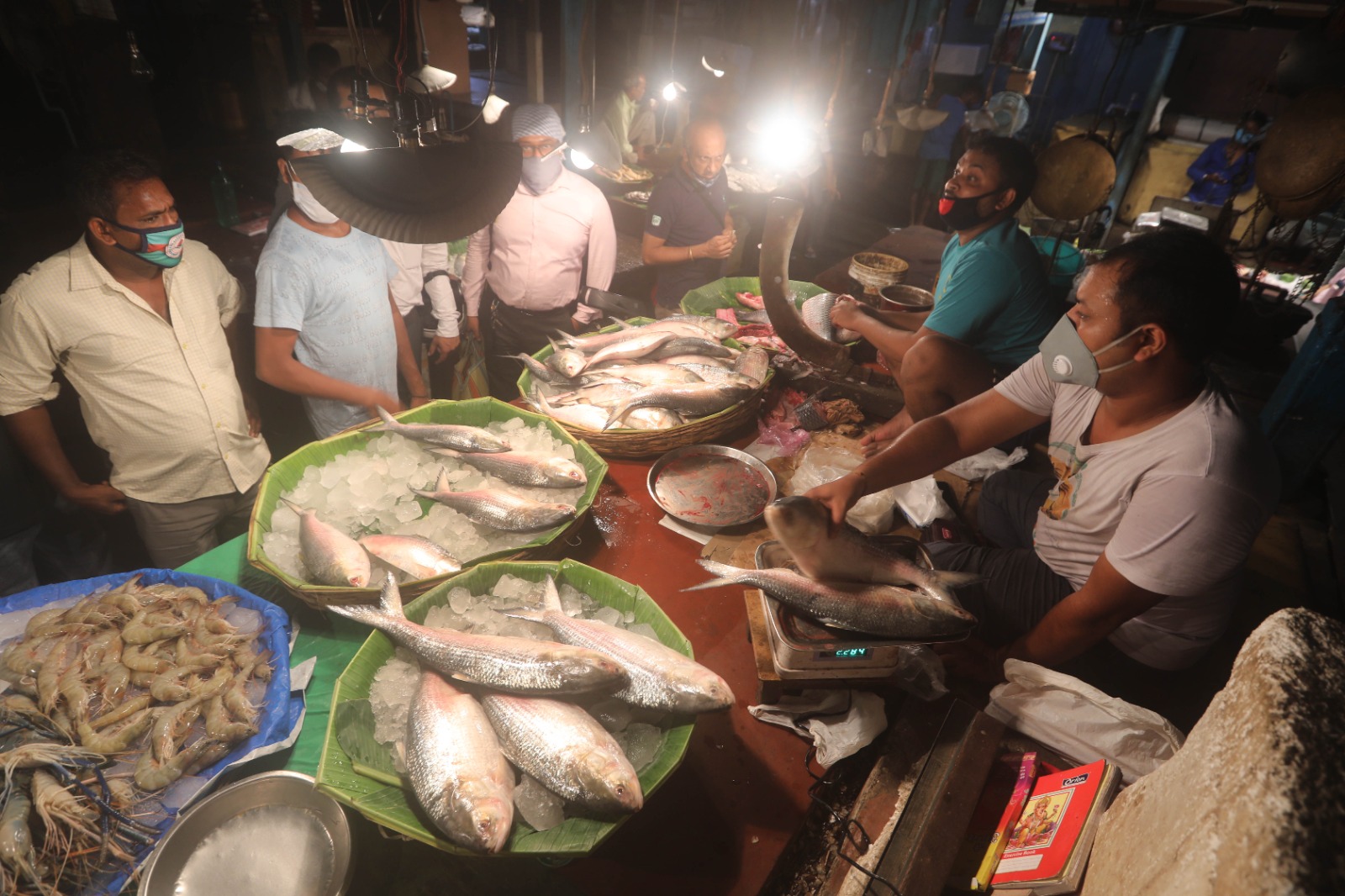
Hilsa Crosses Borders as Trade Challenges Its Culinary Pedigree

Indian Importers Seek Bangladesh Hilsa Exports Ahead of Durga Puja
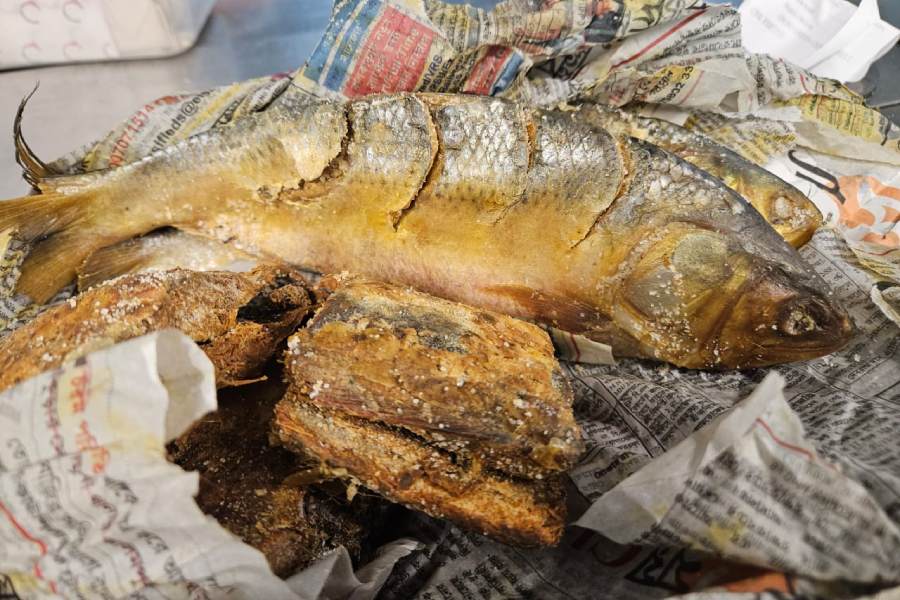
Nona Ilish Keeps Bengal’s Salted Hilsa Tradition Alive

Hilsa and Mustard: The Enduring Culinary Romance of Bengal
Bangladesh’s Sri Lanka Onion Export Plans Challenge Nashik Growers

Lavrov Warns Western Troops in Ukraine Would Mean War

Climate-Linked Heat Exposed 117 Million Indians During 2026 Summer
Ancient European Wildfires Burned for Up to 300,000 Years

Lavrov Warns Europe of Short War If Russia Is Attacked
