1 hr ago
Why Your Heart May Race After A Long Flight
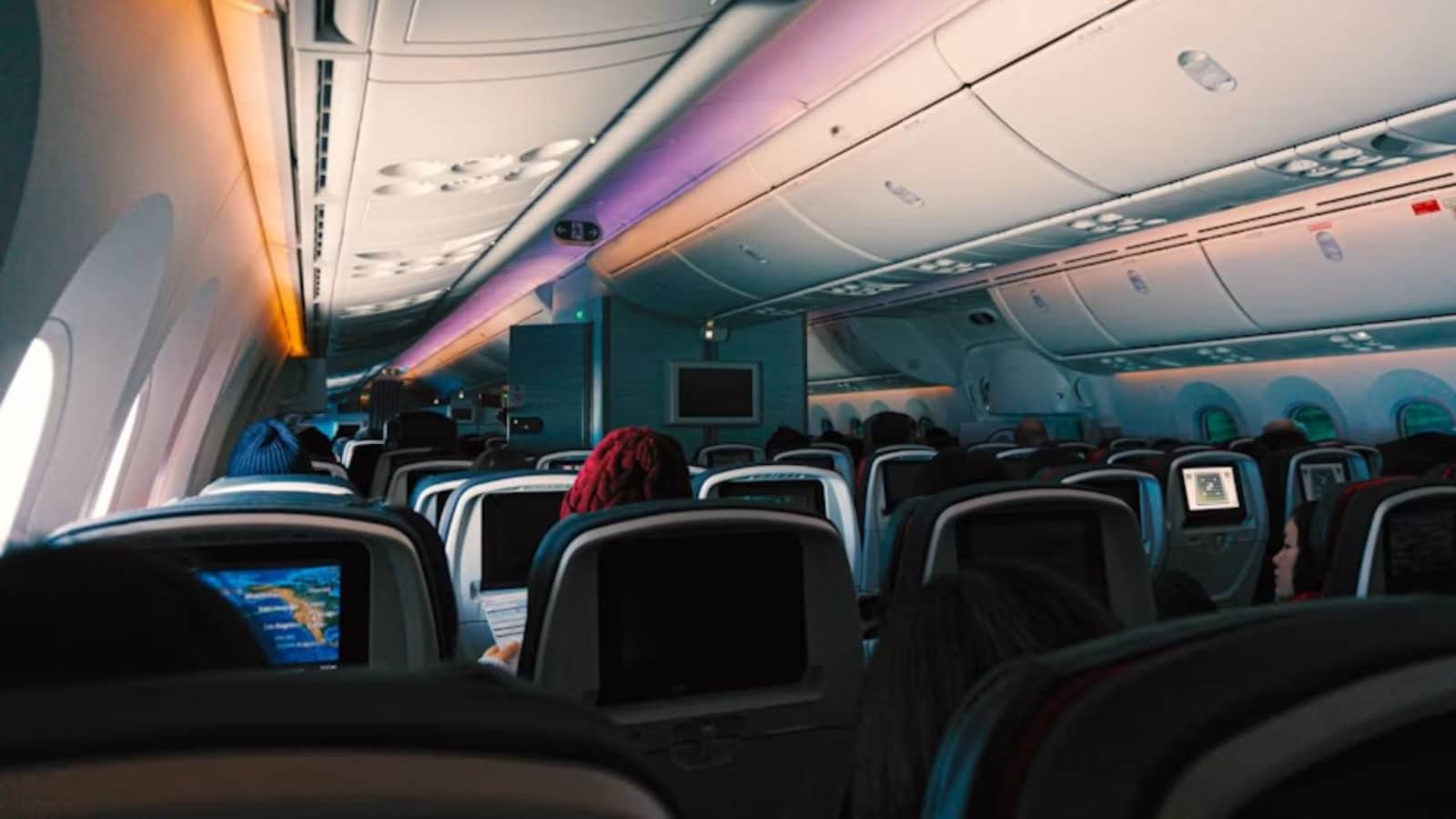
A long flight can make your heartbeat feel different for a little while.
Airplane cabins have lower air pressure than the ground, so each breath contains slightly less available oxygen.
Your body usually adjusts by breathing a little faster.
Sitting still for many hours can also slow blood flow in your legs.
Not drinking enough water may make your heart beat faster to keep blood moving.
Moving your feet, walking safely and drinking water can help.
Most healthy people do not suffer heart damage from these temporary changes.
Chest pain, serious trouble breathing, fainting or a heartbeat that stays very fast should be checked urgently.

Lower cabin pressure means slightly less oxygen is available with each breath, though healthy passengers usually tolerate the change.
Dehydration can reduce blood volume, making the heart beat faster and causing dizziness, weakness or fatigue.
Sitting still for hours can cause leg swelling and increase the risk of deep vein thrombosis and pulmonary embolism.
Severe or persistent chest pain, breathlessness, fainting or a sudden racing heartbeat requires urgent medical attention.
Passengers can support circulation by drinking water, limiting alcohol, moving their legs and walking when safe.
- Who
- Air passengers, particularly people with heart, lung or circulation conditions, are discussed; cardiologist Dr Ajit Menon provided the medical explanation.
- What
- A long flight can cause temporary heartbeat changes, fatigue, breathlessness, dizziness and circulation problems through lower cabin pressure, dehydration and prolonged sitting.
- Where
- Inside commercial aircraft and after long-haul flights.
- When
- During or after several hours of air travel, especially when standing after prolonged sitting.
- Why
- Lower cabin pressure reduces available oxygen slightly, while dehydration and immobility can reduce blood volume or impair circulation.
Key facts
- Medical expert
- Dr Ajit Menon, Director of the Department of Cardiology at Sir H. N. Reliance Foundation Hospital
- Cabin pressure
- Commercial aircraft cabins are pressurised but generally remain at lower pressure than sea level.
- Dehydration effect
- Reduced fluid levels can lower blood volume and cause the heart to beat faster.
- Immobility risk
- Long periods of sitting can increase the risk of deep vein thrombosis, or DVT.
- Pulmonary embolism warning signs
- Sudden breathlessness, chest pain, coughing up blood, fainting or a very fast heartbeat require urgent medical attention.
- Recommended measures
- Drink water, limit alcohol, move the legs and walk around the cabin periodically when safe.
- Higher-altitude distinction
- Ordinary commercial flights are generally not the same as high-altitude travel associated with altitude sickness.
Quotes
Dr Ajit Menon
Director of the Department of Cardiology at Sir H. N. Reliance Foundation Hospital
“Due to the fact that air pressure is reduced, the molecules of air are further away from each other, thus the amount of oxygen taken into the lungs with every breath is smaller than on sea level. The air pressure can become so low at extreme elevations that oxygen becomes reduced by half, said Dr Menon.”
 NDTV
NDTV
“This results in an increased breathing rate of forty to sixty percent to inhale more air. Since there is less oxygen taken into the blood, the amount of oxygen in the tissues reduces.”
NDTV
Sources
Related news

Why Long Journeys Leave Travellers More Tired Than Expected
Why Long Journeys Leave the Body Needing Recovery Time
Dehydration May Be a Hidden Driver of Long-Haul Flight Fatigue

Why Mountain Treks Can Leave Fit People Breathless

How Your Body Responds to Different Climates and Altitudes

Mountain Trek Health Checks Needed Before High-Altitude Travel
Mumbai Green Corridor Moves Heart 27 Kilometres In 23 Minutes

Nita Ambani Urges Team India to Make Asian Games Count

Doctor Explains Five Reasons Hands And Feet Feel Cold

Teen's Pond-Bound Search for Relief Leads to Mumbai Treatment