1 hr ago
How Your Body Responds to Different Climates and Altitudes
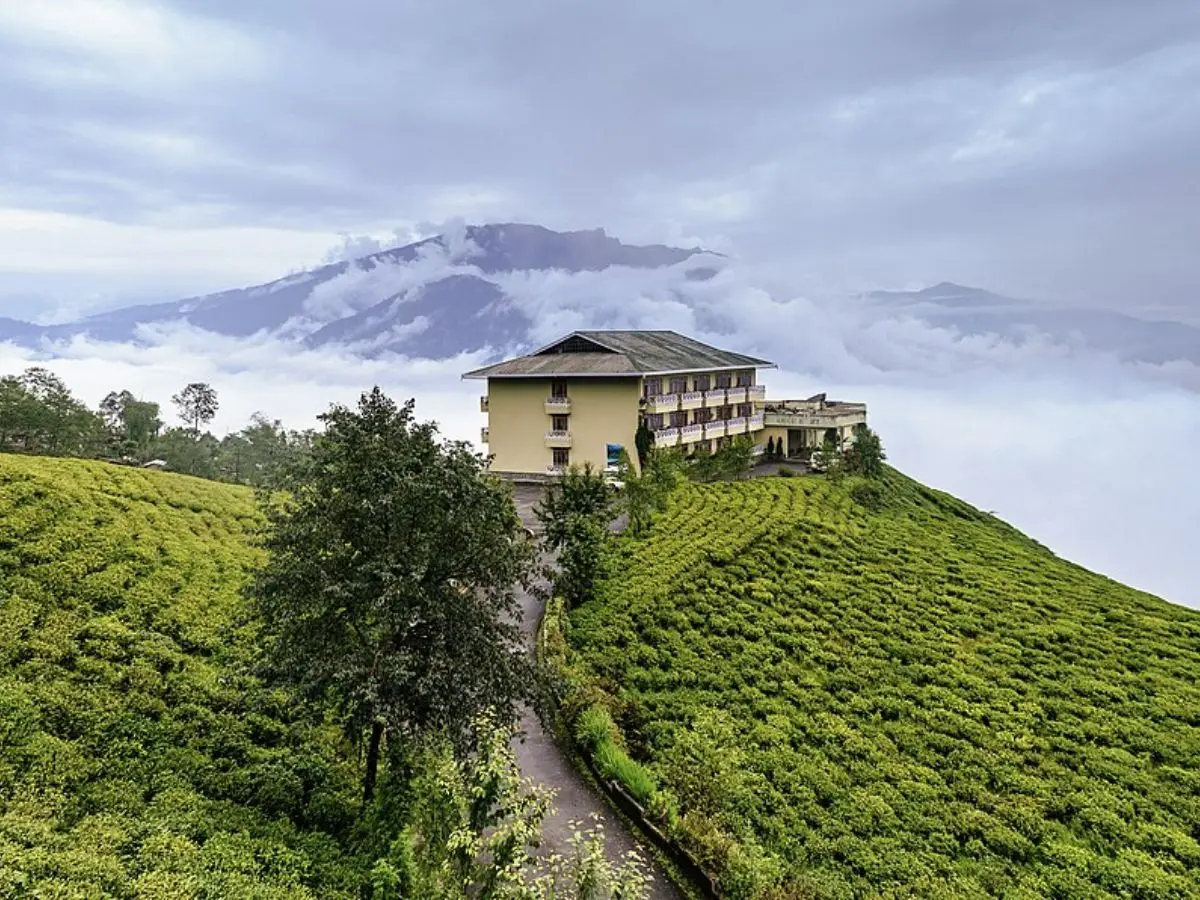
Your body has to adjust when you visit a place with different weather or elevation.
In hot places, blood vessels widen to help release heat through the skin.
You also sweat more, which can make you lose water and important salts.
In cold places, blood vessels tighten to keep warm blood near your organs.
Cold, dry air can also make your throat and lips feel dry.
At high elevations, the air has less oxygen in each breath.
Your heart and lungs work faster to help your body get enough oxygen.
After a few days, your kidneys help produce more red blood cells for carrying oxygen.
Until then, you may feel tired, get mild headaches, or sleep poorly.

Heat causes blood vessels to expand and sweat production to increase, raising risks of dizziness and dehydration.
Cold makes blood vessels constrict, which can temporarily increase blood pressure and heart rate.
Dry, cold air can remove moisture from the respiratory tract, causing dry throats, coughing, and chapped lips.
At elevations above 2,500 metres, lower atmospheric pressure means each breath provides less oxygen.
Altitude acclimatization can take several days and may initially cause fatigue, mild headaches, and disrupted sleep.
- Who
- Travelers experiencing sudden changes in temperature, humidity, or elevation.
- What
- The body responds to different climates through changes in blood flow, sweating, breathing, heart rate, and oxygen-carrying capacity.
- Where
- Hot, cold, and high-altitude destinations, especially locations above 2,500 metres.
- When
- Immediately after entering a different climate; altitude acclimatization develops over the following few days.
- Why
- The body adjusts to regulate temperature, preserve warmth, and compensate for reduced oxygen availability.
Key facts
- Heat response
- Blood vessels expand and sweat production increases to release excess heat.
- Heat risk
- Sweating can cause the loss of water and essential electrolytes, increasing dehydration risk.
- Cold response
- Blood vessels constrict, potentially raising blood pressure and heart rate temporarily.
- Cold-air effects
- Dry air can contribute to dry throats, coughing, and chapped lips.
- Altitude threshold
- Above 2,500 metres, atmospheric pressure drops and each breath delivers less oxygen.
- Acclimatization
- The heart and breathing rates increase initially, while the kidneys later stimulate extra red blood cell production.
Sources
Related news

Why Long Journeys Leave Travellers More Tired Than Expected
Why Mountain Treks Can Leave Fit People Breathless

Summer Heat Doesn't Strengthen H1N1, But Can Worsen Illness
Post-Trek Fever: Why Symptoms Appear After You Return

Donating Blood: Expert Explains the 3-Step Body Recovery