1 week ago
Rajasthan High Court Halts Road Demolitions, Orders Tenfold Tree Planting
The Rajasthan High Court stopped officials from immediately demolishing some homes for a road project.
The homes are in Sri Ganganagar district.
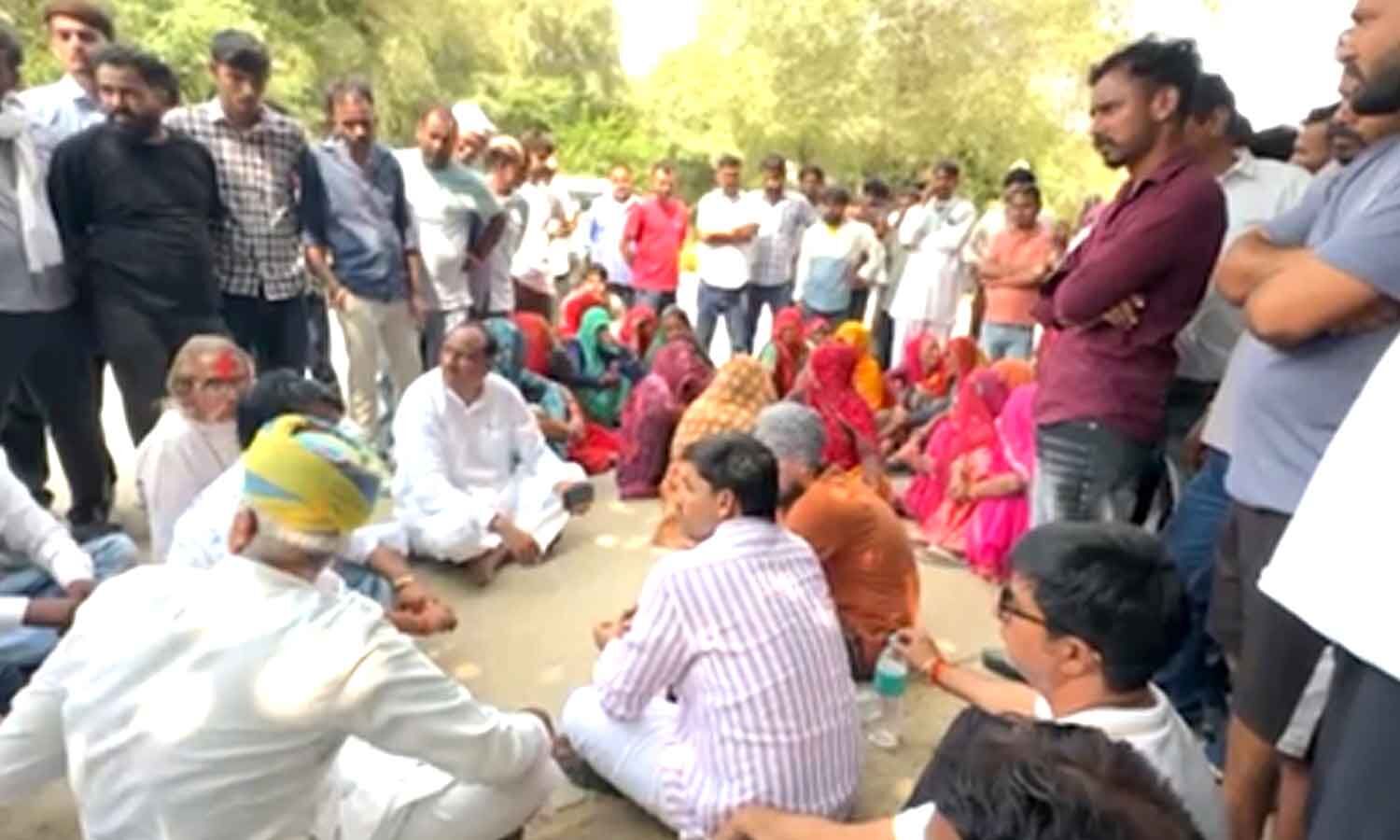
Residents said their objections were ignored before eviction notices were issued.
They also said they should be heard and paid compensation if their properties are needed.
The court ordered officials to form a committee to study the residents’ claims.
This committee must be created within 15 days.
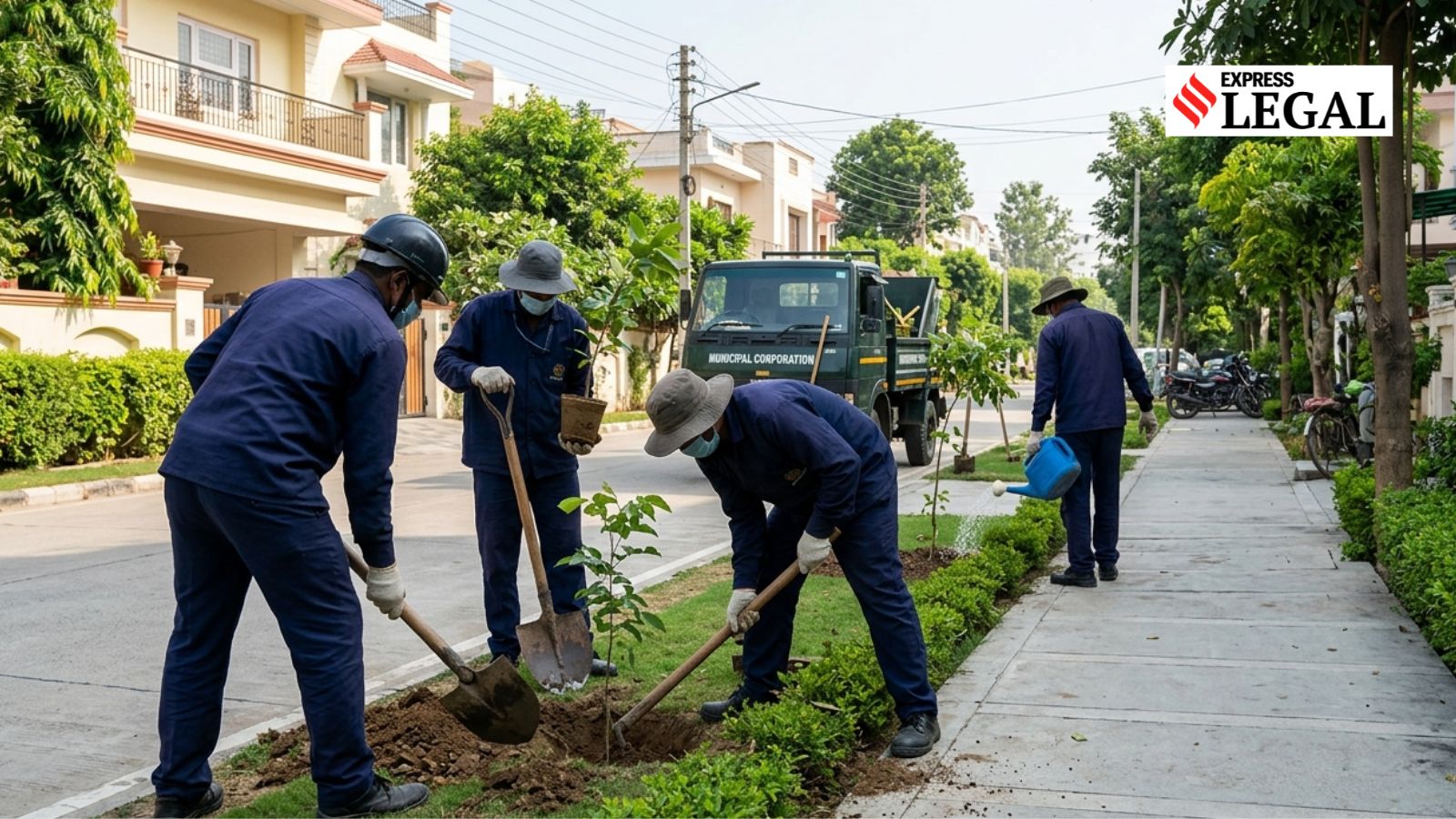
The court also said officials must count any trees they remove.
For every tree cut down, they must plant 10 more nearby.
The road was planned to help reduce traffic and support city development.

The Rajasthan High Court temporarily halted property demolitions linked to road widening in Sri Ganganagar.
Authorities must create a committee within 15 days to examine residents’ claims and objections.
The court said affected people must receive proper notice and a meaningful opportunity to be heard.
Authorities must count removed trees and plant 10 trees for every tree cut nearby.
The road project concerns an 80-feet-wide road identified in Sri Ganganagar’s 1981–2001 Master Plan.
- Who
- Residents of Sri Ganganagar district, the Urban Improvement Trust, other civic authorities, and Justice Anoop Kumar Dhand of the Rajasthan High Court.
- What
- The court temporarily halted demolitions connected to road widening and ordered a committee review and ten-to-one replacement tree planting.
- Where
- Sri Ganganagar district and nearby public areas close to the city.
- When
- The judgment was pronounced on August 19; the committee must be constituted within 15 days.
- Why
- The authorities cited removal of alleged encroachments for an 80-feet-wide road intended to address traffic congestion and support planned development.
Affected Residents
Urban Authorities
Property removal
Affected Residents
Residents argued that they were in lawful possession based on agreements to sell and other documents, and could not be dispossessed without due process and appropriate compensation.
Urban Authorities
The Urban Improvement Trust said the land belonged to it, was designated for an 80-feet-wide public road, and was occupied through alleged encroachments.
Consideration of objections
Affected Residents
The petitioners alleged that their objections were not properly considered before eviction notices were issued.
Urban Authorities
The authorities proceeded with notices to remove occupants, while the court required a committee to examine the residents’ claims and objections.
Public development and trees
Affected Residents
Residents challenged the proposed demolition of their properties for the road project.
Urban Authorities
The authorities’ road-widening plan was linked to reducing traffic congestion and enabling planned city development; the court allowed development to proceed subject to due process and tenfold tree planting.
Key facts
- Court
- Rajasthan High Court
- Judge
- Justice Anoop Kumar Dhand
- Project
- Construction and widening of an 80-feet-wide public road
- Planning document
- Sri Ganganagar’s 1981–2001 Master Plan
- Committee deadline
- Within 15 days
- Tree requirement
- Plant 10 trees for every tree removed
- Legal principle
- Affected people must receive notice and an opportunity to be heard
Quotes

Rajasthan High Court
The court hearing petitions against proposed property demolitions in Sri Ganganagar.
“Article 21 of the Constitution of India mandates that no person shall be deprived of his life and personal liberty except according to the procedure established by law.”
 indianexpress.com
“It is a settled proposition of law that before taking any action against any individual or establishment, due process of law is required to be followed.”
indianexpress.com
Sources
Related news

BMC Tree Authority to Decide Felling of 35 Ghatkopar Trees

Karnataka High Court Restricts Bidadi Project Work Without Permission

MP High Court Reserves Verdict on Ujjain-Jaora Land Acquisition
Congress Launches 'Protect Mumbai Trees' Campaign After Chembur Tragedy
Bhopal Residents Question Tree Felling Near St Montfort School

Rampura School Rebuild Begins After Alleged Violence, CJP Leader Says
Jaipur School Demolished, Reconstruction Begins After Attack Controversy

ED Raids 12 Locations Across Four States in Parimatch Probe

Bengaluru Police Expose Fake Officer Profiles Used in Furniture Fraud

Recent Protests Push India’s BJP Toward Greater Political Caution