1 hr ago
Trade Disruptions Become Normal as India Gains Opportunity
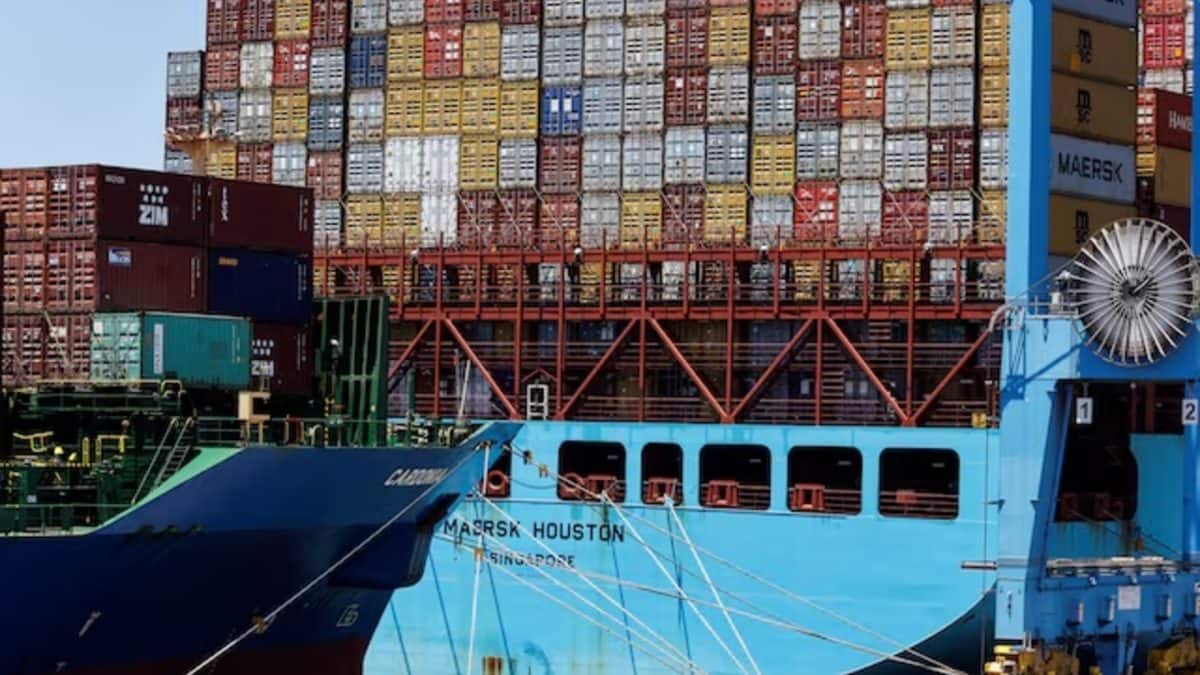
Ships carry goods between countries, but conflicts and other problems can make their usual routes unsafe or difficult to use.
When ships take longer routes, shipping becomes more expensive.
That can raise prices for shoppers and make it harder for businesses to buy the materials they need.
UNCTAD expert Luisa Antonia Rodriguez Ortega says these disruptions have happened repeatedly since the Covid-19 pandemic.
She says countries can prepare by working together and making ports and borders faster and more reliable.
Technology can also help countries spot problems and respond sooner.
India’s ports have become better connected in recent years, and further investment could help the country benefit from changing trade routes.
Building a corridor also requires good planning, clear leadership and input from businesses and communities.

Geopolitical crises have sharply increased freight costs, which have at times almost tripled.
Higher shipping and input costs affect consumers and can weaken producers’ competitiveness.
Recurring disruptions since the Covid-19 pandemic have redirected trade and lengthened transport routes.
UNCTAD’s Luisa Antonia Rodriguez Ortega says resilience requires regional cooperation and more efficient border and port processes.
She says India’s improving maritime connectivity and investment in ports position it to benefit from changing trade patterns.
- Who
- Luisa Antonia Rodriguez Ortega, an Economic Affairs Officer at UN Trade and Development (UNCTAD), discussed the issue with Firstpost.
- What
- The interview examined how geopolitical disruptions affect maritime trade and how countries, including India, can build resilience and benefit from changing trade patterns.
- Where
- The discussion concerns global maritime routes, including the Red Sea, Black Sea and Panama Canal, as well as India’s ports.
- When
- The interview discusses recurring disruptions since the Covid-19 pandemic and connectivity changes over roughly the past five years.
- Why
- Geopolitical tensions and other recurring crises have disrupted shipping routes, increased costs and exposed vulnerabilities in supply chains.
Resilience and opportunity
Costs and vulnerabilities
Continued maritime trade
Resilience and opportunity
Ortega says trade flows have continued despite crises, showing that maritime trade has proved resilient.
Costs and vulnerabilities
Alternative routes can be more expensive, and greater distances and complex supply networks create inefficiencies.
India’s position
Resilience and opportunity
Improved port connectivity and sustained infrastructure investment could help India capture a larger role in changing global trade.
Costs and vulnerabilities
Ortega says the benefit depends on further port development and corridors that connect to real trade needs; infrastructure alone is not enough.
Key facts
- Interviewee
- Luisa Antonia Rodriguez Ortega, Economic Affairs Officer in UNCTAD’s Trade Logistics Branch
- Freight-rate impact
- Freight rates almost tripled at certain points during crises, according to Ortega.
- Disruption pattern
- Ortega says recurring disruptions have occurred since the Covid-19 pandemic.
- Red Sea impact
- Ships have taken longer routes around Africa during the Red Sea crisis.
- India connectivity
- UNCTAD statistics show a remarkable increase in the connectivity of Indian ports over roughly five years.
- Resilience measures
- Ortega cites regional cooperation, improved border and port processes, and technology-enabled preparedness.
- Trade corridor requirements
- Successful corridors need relevant trade flows, clear governance and involvement from governments, civil society, academia and the private sector.
Sources
Related news

BRICS Summit Focuses on Global South Economic Resilience
Saudi Ports Chief Calls for More IMEC Trade Corridors
India Tells UN Commercial Ships Must Not Become Targets
India Urges UN to Protect Free Maritime Navigation Rights
P K Mishra Says Trade Measures Can Be Weaponised

BRICS Forum Focuses on Secure Sea Lanes and Local Currencies

UN Warns Developing-Economy Growth Is Splitting as Asian Economies Lead
UN Projects Slower Global Growth as Geopolitical Risks Rise
UN Report Sees India Leading Growth on Domestic Demand, Infrastructure
West Asia Turmoil Pushes IMEC Toward Flexible Network of Routes