21 hrs ago
Saudi Ports Chief Calls for More IMEC Trade Corridors
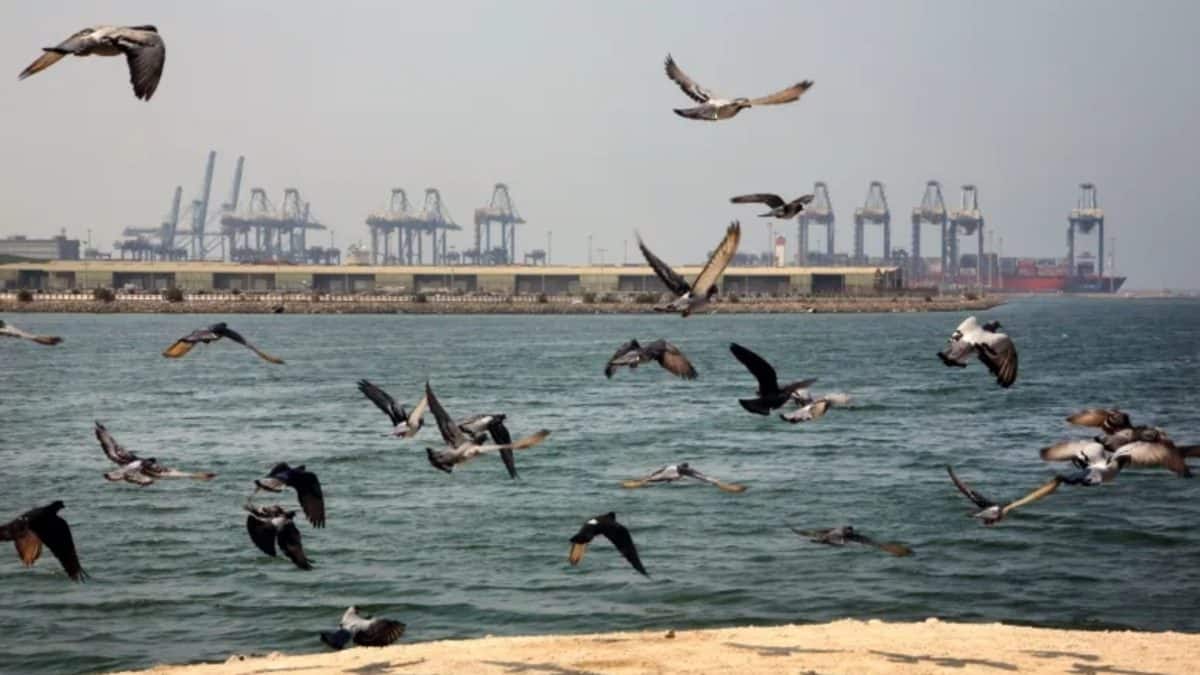
Leaders and experts met to talk about keeping ships and trade moving during conflicts.
Saudi Arabia’s ports chief said countries should build more trade routes, including the proposed IMEC corridor.
He said these routes can help when usual paths face danger or disruption.
He also said strong partnerships and keeping commitments matter.
Another speaker said the current shipping system is already resilient.
She warned that making routes safer should not mean ignoring their cost and efficiency.
The group also discussed how countries can work together and prepare for geopolitical problems.
They did not all agree on how much the current trade system needs to change.

Saudi Ports Authority president Suliman Almazroua called for more India-Middle East-Europe Economic Corridor routes to strengthen trade resilience.
Almazroua said Saudi Arabia’s partners are not afraid of Houthi threats and emphasized trust and strong partnerships.
He identified serving customers, building partnerships, and honoring commitments as three foundations of maritime resilience.
Abla Abdel-Latif argued the existing maritime system is resilient and urged integration, warning that resilience should not come at the expense of economic efficiency.
Panelists discussed geopolitical risks, alternative routes, and international cooperation; Jonathan D. Caverley said global maritime commerce remains equipped to handle crises.
- Who
- Saudi Ports Authority president Suliman Almazroua, Egyptian Centre for Economic Studies executive director Abla Abdel-Latif, and other panelists.
- What
- They discussed maritime trade resilience, geopolitical risks, and the case for developing more alternative corridors such as IMEC.
- Where
- At a panel discussion hosted by ORF; the article does not specify the event’s location.
- When
- At ORF’s Sagarmanthan: The Great Ocean dialogue; the article does not give a date.
- Why
- To consider how to maintain global trade flows amid West Asia tensions and other geopolitical risks.
Prioritize New Corridors
Preserve Efficiency and Integration
How much the trade system should change
Prioritize New Corridors
Almazroua and other panelists supported developing more IMEC-style corridors and alternative routes to strengthen resilience.
Preserve Efficiency and Integration
Abla Abdel-Latif said the existing maritime system is resilient and argued for facilitating integration rather than changing the entire mechanism.
Resilience and economic efficiency
Prioritize New Corridors
Almazroua emphasized that supply chains must be resilient, even when survival carries a cost; Srivastav cited survey figures in support of prioritizing resilience and alternate routes.
Preserve Efficiency and Integration
Abdel-Latif warned that focusing on resilience can put economic efficiency aside and said the two should not be separated.
Key facts
- Event
- ORF’s Sagarmanthan: The Great Ocean dialogue
- Session
- “Chokepoints and Shockwaves: Securing the Arteries of Global Trade”
- Saudi representative
- Suliman Almazroua, president of the Saudi Ports Authority
- Proposed approach
- Develop more IMEC corridors and strengthen connectivity and cooperation
- Egyptian Centre for Economic Studies view
- The existing maritime system is resilient; integration should be facilitated without sidelining economic efficiency
- Trade survey figures cited
- Shubhransh Srivastav cited a Global Trade Observatory report saying 84% prioritized resilience and functionality over cost, and 80% considered alternative routes
Quotes
Suliman Almazroua
President of the Saudi Ports Authority
“We need more Imec. We need such corridors to build resilience. We need more connectivity, and we need to work together.”
 firstpost.com
“I don't think the talks should be about changing the entire mechanism; it should be about facilitating the integration.”
firstpost.com
Jonathan D. Caverley
Senior fellow at the International Institute for Strategic Studies in the United States
“If you turn the Gulf into a no-man's-land sea. Then you are essentially heading to economic destruction.”
firstpost.com
Sources
Related news

EU Backs IMEC to Diversify India-Europe Trade Routes

France Says Middle East Crises Strengthen Case for IMEC
More Nations Seek to Join India-Middle East-Europe Corridor
West Asia Turmoil Pushes IMEC Toward Flexible Network of Routes

French Envoy Says Multiple Routes Key to IMEC Amid Hormuz Crisis
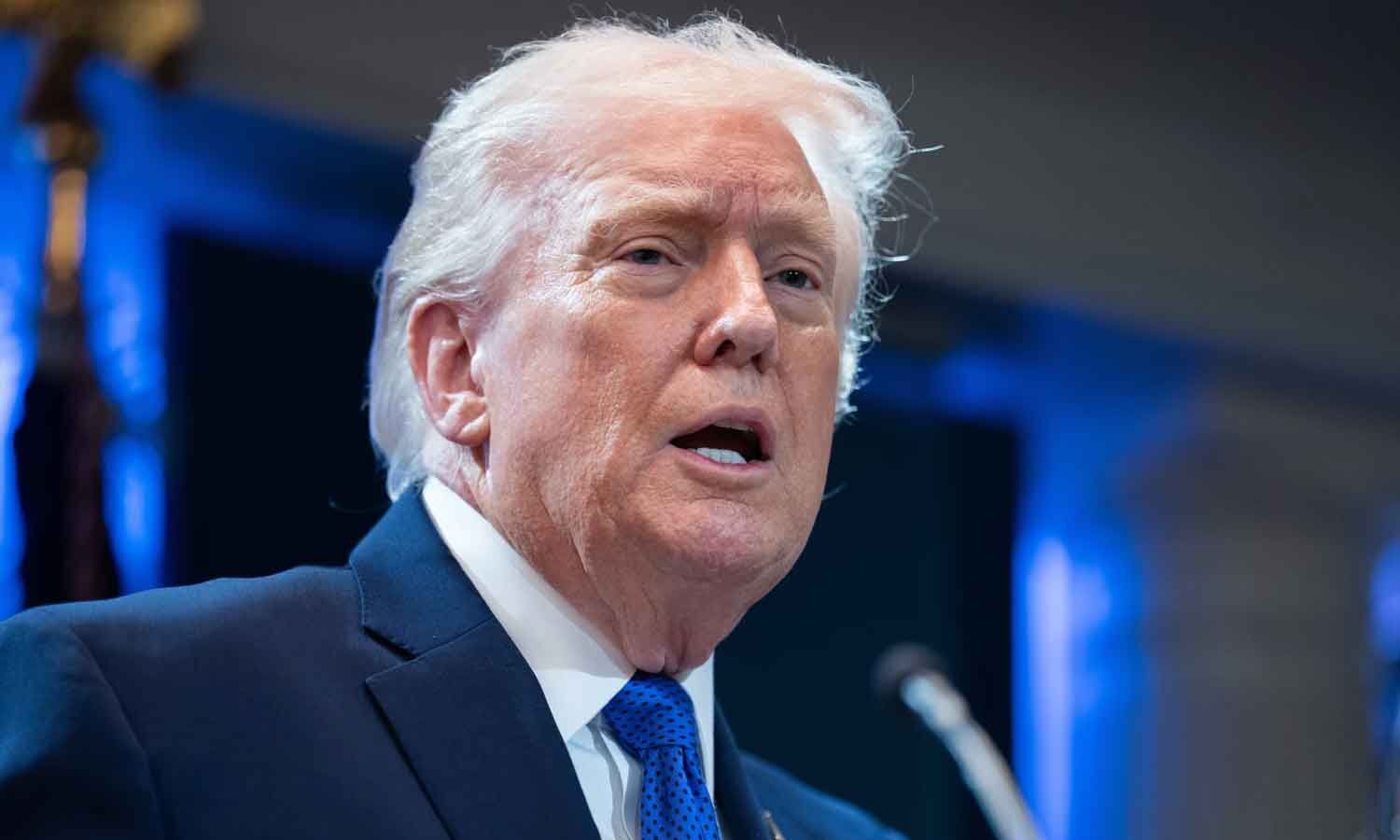
Trump Backs IMEC Amid Iran War and Regional Tensions