2 hrs ago
Study Places Bat Origins in Europe 65 Million Years Ago
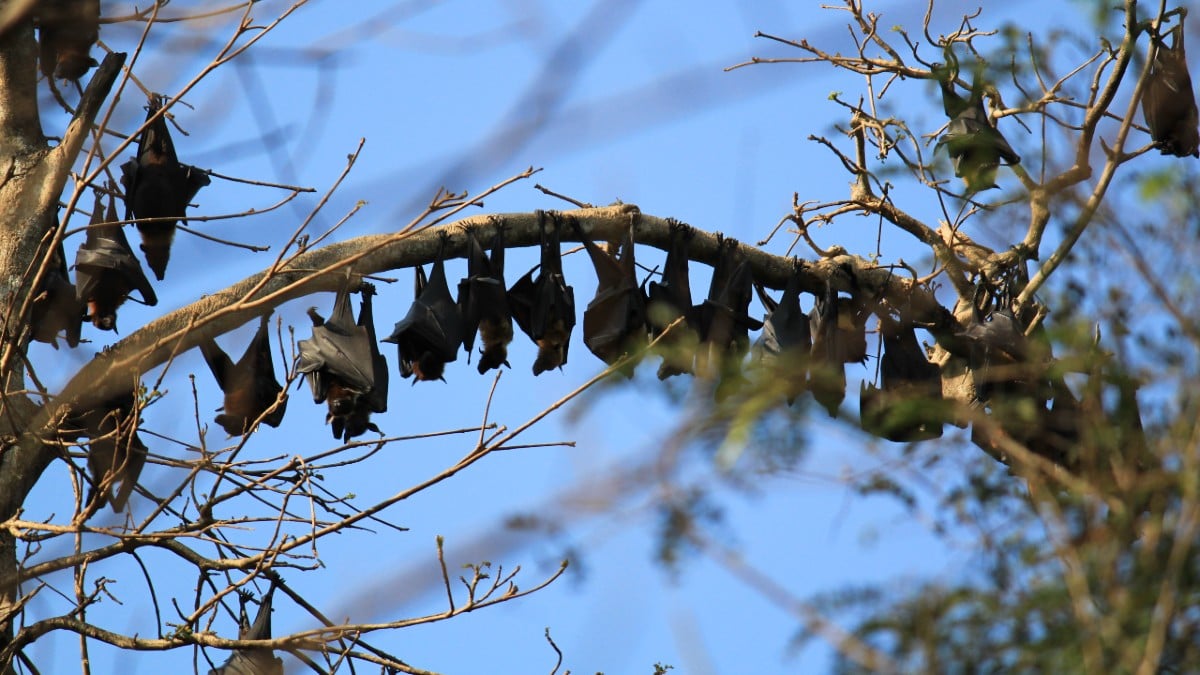
Scientists studied bats that live today and fossils of bats from long ago.
They compared the bats’ genes and physical remains.
Their computer models suggest that the ancestors of modern bats lived in Europe about 65 million years ago.
This is different from older ideas that placed bat origins on other continents.
The researchers also examined when bats learned to fly.
They found that powered flight appeared very early.
An ancient bat called Vielasia appears to have been able to use echolocation.
Echolocation is a way of finding objects by making sounds and listening for echoes.
These findings may help explain how bats became such a diverse group of animals.

A new Nature study suggests modern bats originated in Europe about 65 million years ago.
Researchers analyzed genomes from 103 living bat species and fossils from 44 bat species.
The findings challenge earlier theories placing bat origins in Africa, Asia, the Americas, or Australia.
Fossil evidence suggests flight and echolocation emerged very early in bat evolution.
The study involved 137 researchers from 64 countries through the Bat1K consortium.
- Who
- A team of 137 researchers from 64 countries, working through the Bat1K consortium and co-led by Liliana M. Dávalos.
- What
- A study reconstructed bat evolution and concluded that bats likely originated in Europe about 65 million years ago.
- Where
- The study places the ancestor of modern bats in Europe.
- When
- The study was published in Nature on 23 September and places bat origins in the Late Paleocene, roughly 65 million years ago.
- Why
- Researchers sought to trace bat evolution and determine when and where bats originated, including when flight and echolocation evolved.
Key facts
- Publication
- Nature
- Proposed origin
- Europe, approximately 65 million years ago
- Living bat genomes examined
- 103 species
- Fossil bat species examined
- 44 species
- Research team
- 137 researchers from 64 countries
- Research consortium
- Bat1K
- Ancient bat highlighted
- Vielasia
Quotes
Liliana M. Dávalos
Stony Brook professor and co-leader of the bat evolution study
“The approach we used to model the evolution of fossil and living bat species together can do what other methods cannot: identify the oldest group of fossil bats while taking the genomic data into account and uncover when and where bats originated.”
 theprint.in
“Our analysis, here at Stony Brook, shows that the oldest branch of bats already had species that unambiguously echolocated. Therefore, based on the tree with these fossils, bat echolocation evolved shortly after mammalian flight did,”
theprint.in
Sources
Related news

Scientists Reconstruct Chirps Of Jurassic Forest Insect Soundscape
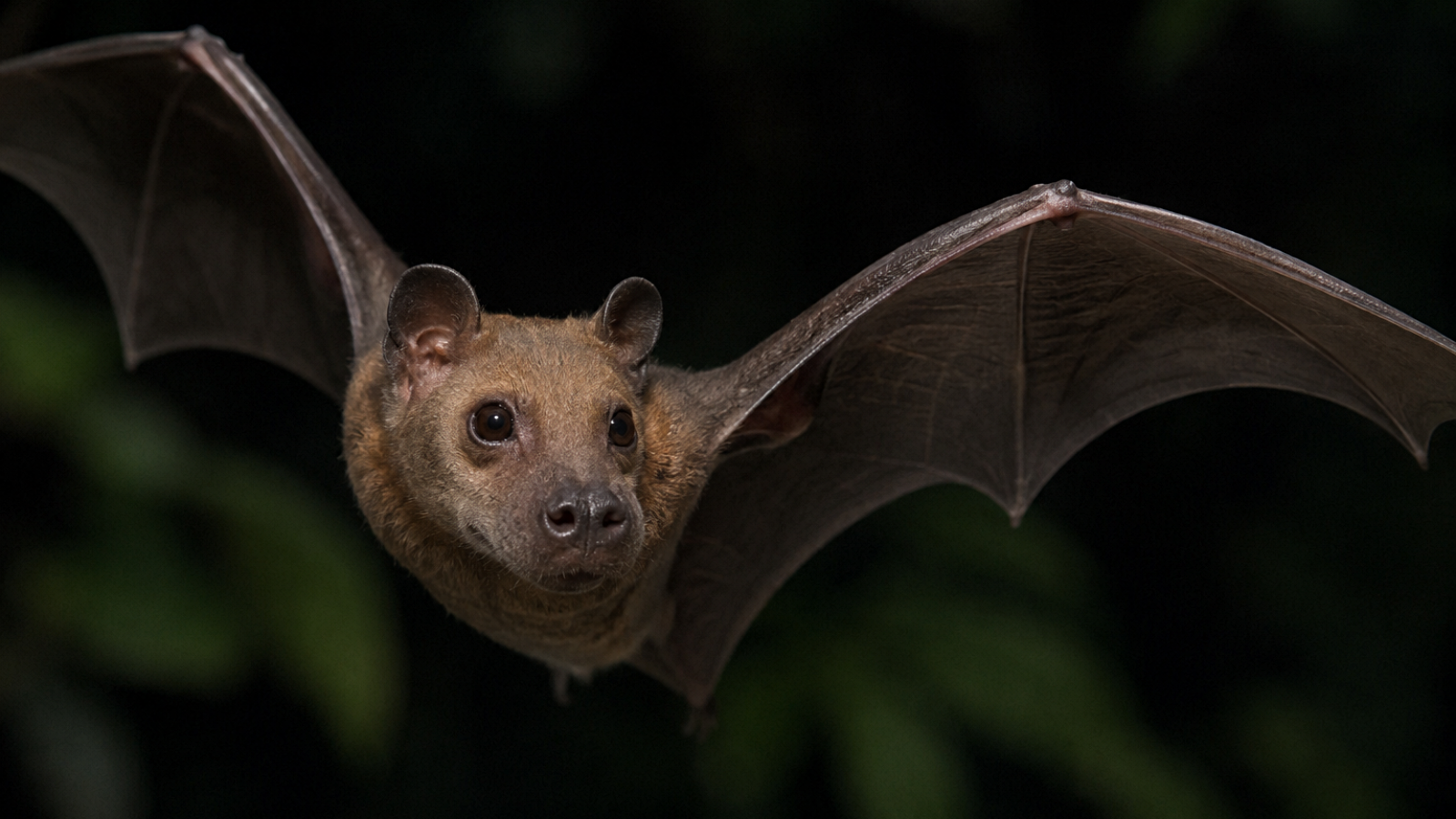
Dog-Faced Bats Combine Canine Looks With Nighttime Flight

Ancient Million-Atomic-Bomb Volcano Discovered Beneath England’s East Coast by Scientists
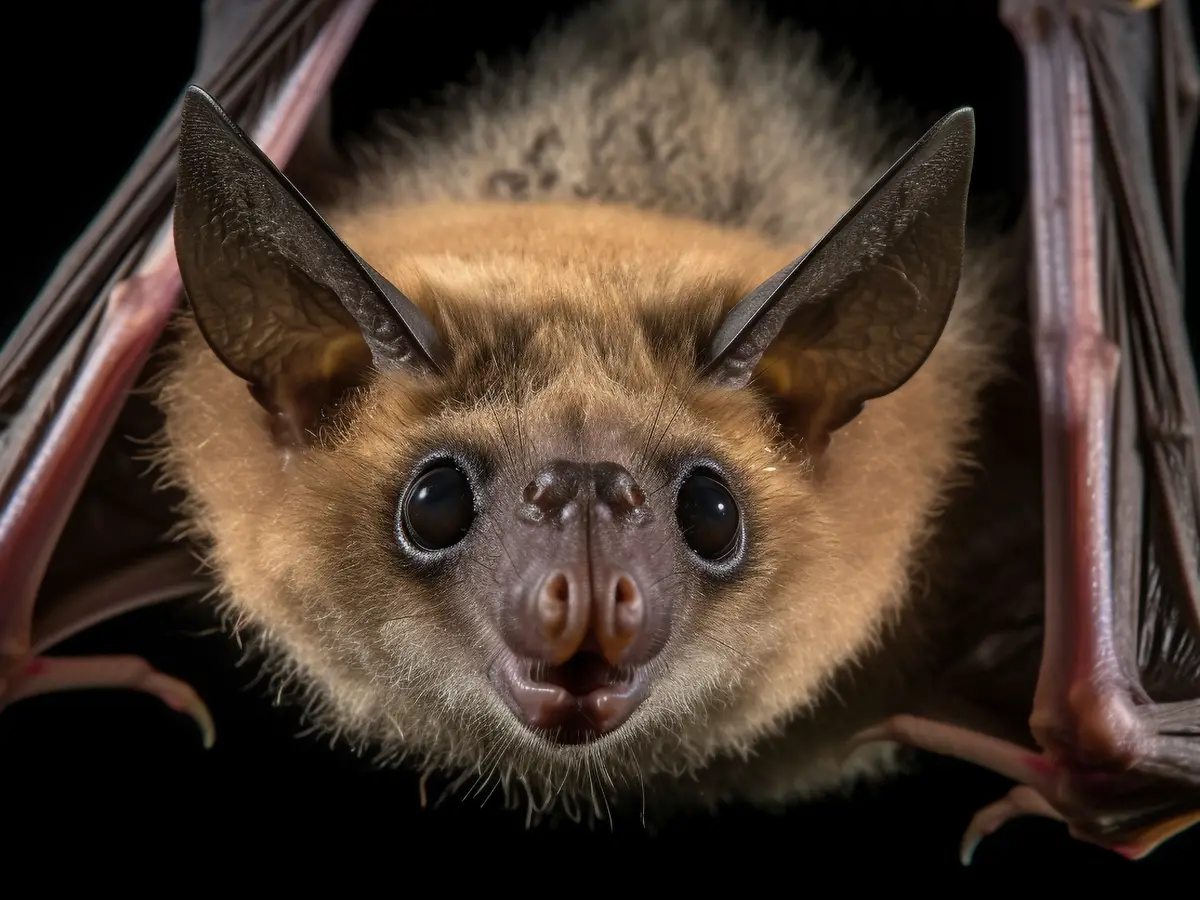
Little Brown Bats Offer Clues to Cancer Resistance

Stanford Study Finds Brain Develops From Two Ancient Nervous Systems

Ancient Supervolcano Beneath England's East Coast Predates Dinosaurs

Hyderabad, Brussels Airports Sign MoU to Expand Cargo Links

Kinetic Engineering Plans ₹57 Crore Investment For EV Expansion

White House Denies Report of 90-Day U.S. Diesel Export Ban

Europe Warns of Russian Sabotage, Rejects Imminent NATO Attack