1 hr ago
Stanford Study Finds Brain Develops From Two Ancient Nervous Systems
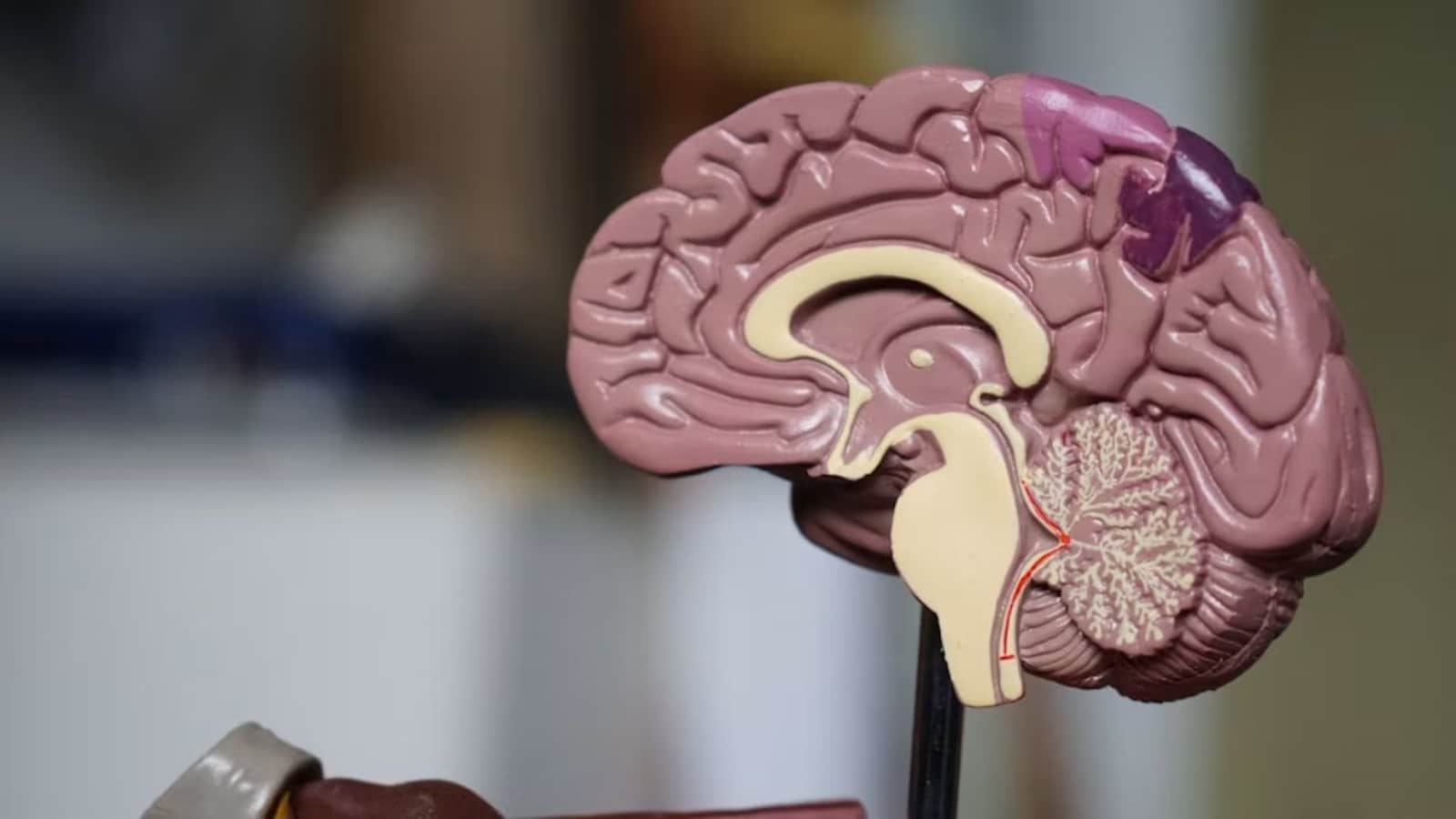
Scientists found that the brain starts developing from two different groups of early cells.
One group helps make the front and middle parts of the brain.
The other group makes the hindbrain, which helps control breathing, heartbeat and some movements.
These groups stay separate while the brain is forming.
This does not mean people have two separate brains.
It may mean that two very old nervous systems joined together during evolution.
The researchers made human hindbrain neurons in a laboratory.
These neurons could help scientists study diseases such as ALS and SMA in the future.

Researchers found that the brain develops from two distinct populations of early progenitor cells.
Otx2-associated cells form the forebrain and midbrain, while Gbx2-associated cells form the hindbrain.
The cell populations separate during early embryonic development and show different chromatin configurations.
Similar developmental patterns were observed in chickens, zebrafish and acorn worms.
The findings enabled researchers to grow human hindbrain neurons, potentially supporting ALS and SMA research.
- Who
- Researchers led by Kyle Loh at Stanford studied early brain development, with Carolyn Dundes and Rayyan Jokhai as co-first authors.
- What
- The study found that the brain develops from two distinct progenitor-cell populations rather than one shared population.
- Where
- The research used developing mouse embryos and laboratory-grown human hindbrain neurons, with the study conducted by Stanford researchers.
- When
- The separation begins during early embryonic development, during gastrulation; the study was published in Nature Neuroscience.
- Why
- The researchers sought to understand brain development and evolution and to create better models for studying diseases affecting hindbrain neurons, including ALS and SMA.
Key facts
- Developmental groups
- Two distinct progenitor-cell populations form different brain regions.
- Forebrain and midbrain
- These regions arise from cells associated with the Otx2 gene.
- Hindbrain
- The hindbrain arises from cells associated with the Gbx2 gene.
- Developmental stage
- The separation begins during gastrulation in early embryonic development.
- Evolutionary evidence
- Similar patterns were found in chickens, zebrafish and acorn worms.
- Potential research use
- Human hindbrain neurons were grown in the laboratory for disease research.
- Publication
- The findings were published in Nature Neuroscience.
Quotes
Kyle Loh
Associate professor of developmental biology and senior author of the Stanford study
“Our discovery means that we can now grow neurons from the back of the brain, the hindbrain, in a petri dish and study their functions.”
 NDTV
NDTV
“We've shown for the first time that the front of the brain arises from a totally different progenitor cell than the back of the brain”
NDTV
Sources
Related news

Human Brain Organoids Integrated Into Mouse Brains, Enabling Disease Research
Lab-Grown Human Brain Organoids Set Seven-Year Longevity Record
Study Links Maternal Anaemia to Smaller Infant Brain Volumes
Scientists identify brain circuit linking isolation to male alcohol craving
Scientists discover brain 'brake' for chronic pain

JioBlackRock Bets on Digital Reach and AI Investing

Indian Engineering Colleges Feature Prominently Among Unicorn Founders

Charges Against Five Stanford Protesters Set for Dismissal

Azim Premji Quote Urges Faster Bold Decisions Under Pressure