

6 days ago
Little Brown Bats Offer Clues to Cancer Resistance
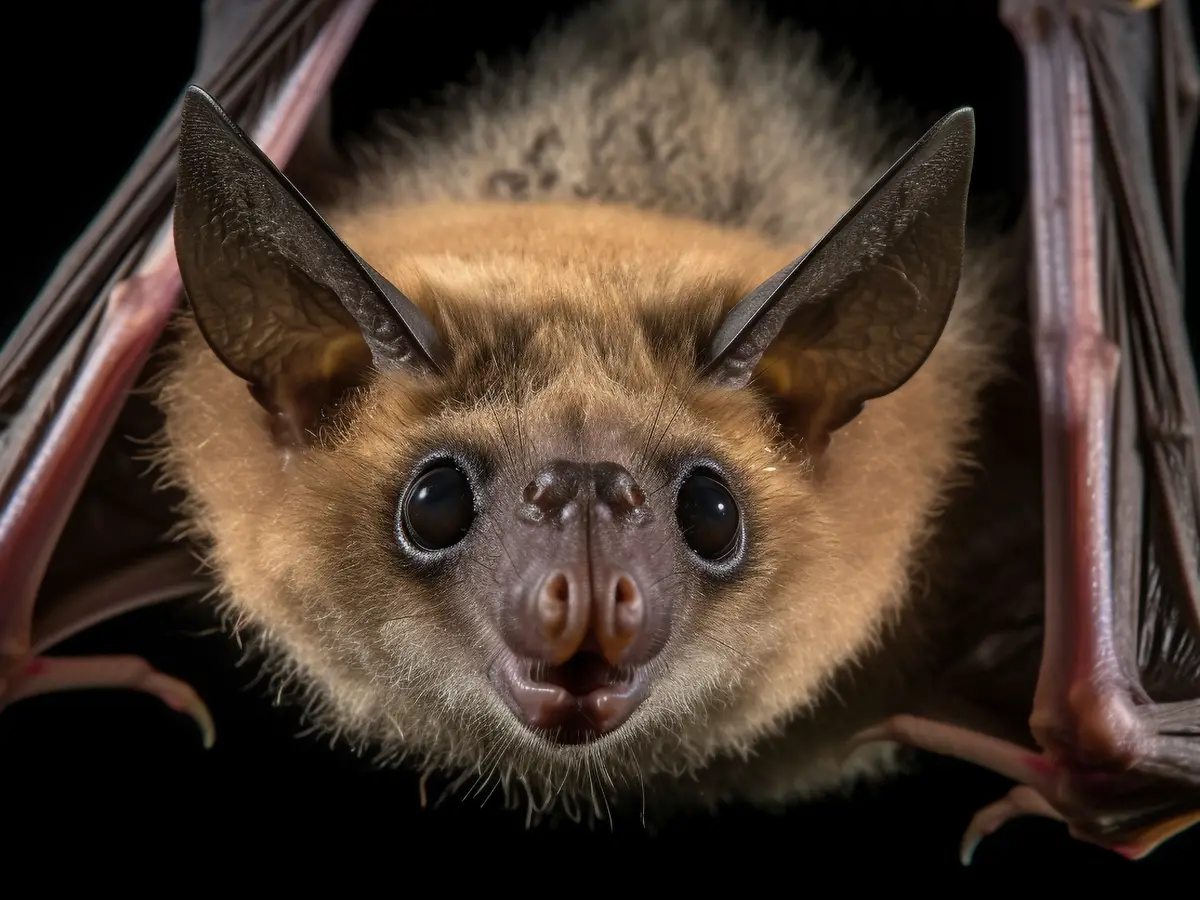

Scientists found that little brown bats prioritize killing severely damaged cells rather than repairing their DNA.
The bats’ cells were tested with lethal chemicals in a tissue-sample experiment.
Researchers identified multiple copies of the immune-related PRK gene in the bats.
The findings may inform research into cancer, immunity, aging and longevity, but human treatments remain distant.
Little brown bats are endangered mainly because of white-nose syndrome, a lethal fungal disease.
- Who
- Researchers, including biologists from Penn State University, the University of California, Berkeley, and the University of Vermont, studied little brown bats.
- What
- The study examined how bat cells respond to cancer-causing damage and identified multiple copies of the PRK immune gene.
- Where
- The research involved bat tissue samples and scientists affiliated with Penn State University, the University of California, Berkeley, and the University of Vermont.
- When
- The findings were reported on Wednesday, August 26.
- Why
- Scientists are investigating how bats’ longevity, immune function and cancer resistance might inform research into human disease.
Key facts
- Animal studied
- Little brown bats
- Cell response
- Damaged cells prioritized cell death over DNA repair after exposure to lethal chemicals.
- Gene identified
- Multiple copies of the immune-related protein kinase R, or PRK, gene.
- Potential research areas
- Cancer resistance, immunity, aging and longevity.
- Human application
- Researchers said applying the findings to human disease remains a distant prospect.
- Major threat to bats
- White-nose syndrome, a lethal fungal disease.
- Longevity context
- Some bat species can survive for decades despite their small size.
Quotes
Juan Manuel “Manny” Vazquez
Biologist at Penn State University and co-lead author of the study
“The longest-lived bat in North America decides ‘I can't save this ship’ and immediately switches gears to prioritise killing off the cells that are damaged. The elephant, another cancer-resistant species that is long-lived, has the exact same strategy: if you can't save the cell, kill the cell”
 wionews.com
“We found the literal opposite of what we expected if you treat the bats with a lethal dose of this chemical”
wionews.com
Sources
Related news

Unusual Killer Immune Cells May Help Some People Reach 110

Bryan Johnson Turns His Longevity Experiment Toward Dogs

Australian Researchers Challenge Old Assumptions in Brain Tumour Treatment

Scientists Explain Biggest Hurdle to Humans Living Beyond 200
Mosquito Bites Could Become Malaria Vaccine Boosters, Mouse Study Finds
