

1 hr ago
Ancient Supervolcano Beneath England's East Coast Predates Dinosaurs
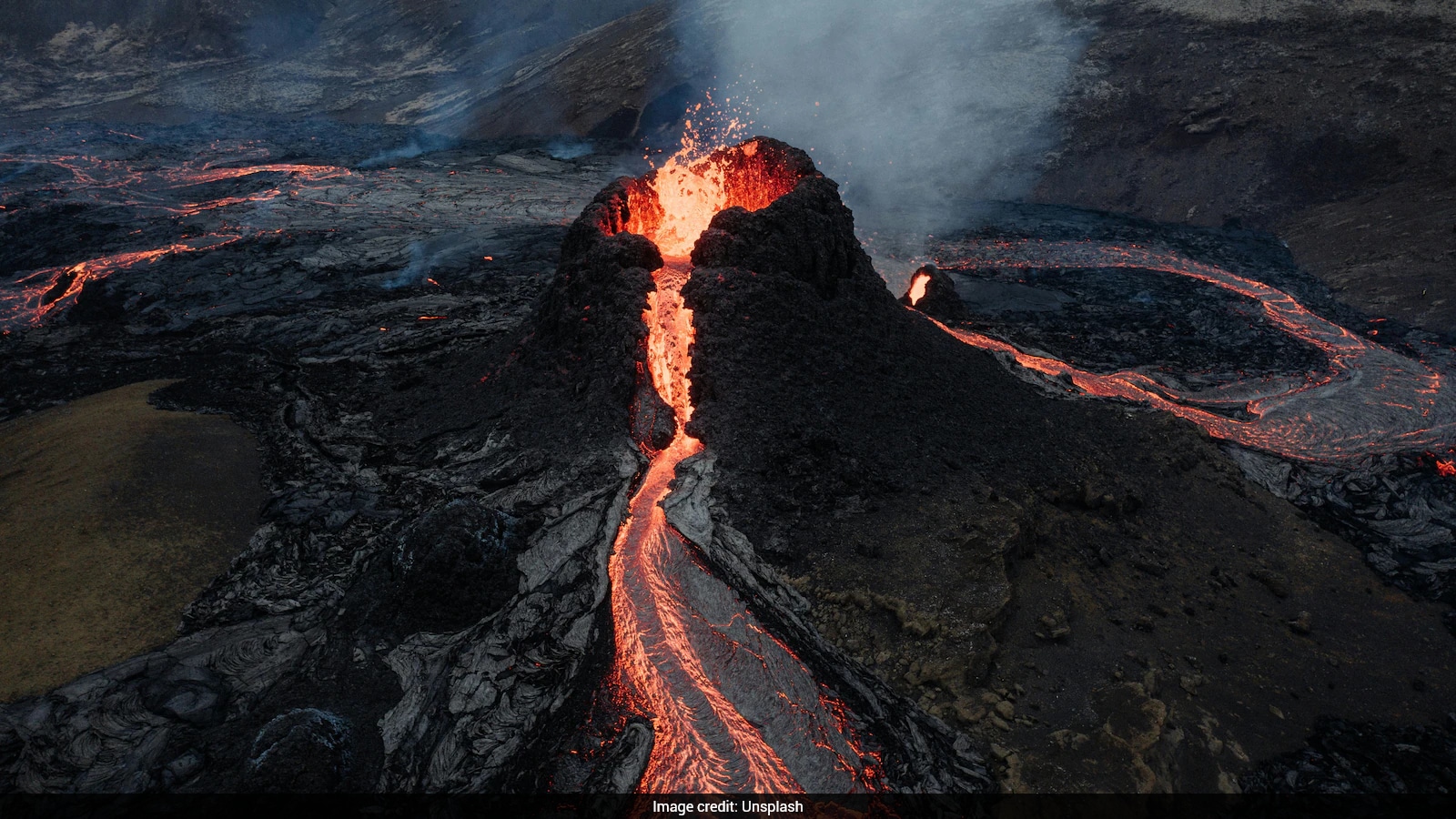
Scientists found evidence of a huge volcano buried beneath eastern England.
It erupted about 454.4 million years ago, long before dinosaurs lived.
The eruption sent more than 1,000 cubic kilometres of ash and rock into the air.
This was thousands of times more powerful than Mount Etna’s eruptions.
Scientists had previously wondered where a widespread ash layer called the Kinnekulle tephra came from.
Tiny crystals in old underground rock samples helped them identify the volcano’s source.
The samples came from deep boreholes in Norfolk and Lincolnshire.
The volcano has been extinct for hundreds of millions of years and is buried safely underground.

Researchers identified a supervolcano beneath The Wash, Norfolk and Lincolnshire, that erupted about 454.4 million years ago.
The eruption released more than 1,000 cubic kilometres of volcanic material and was thousands of times more powerful than Mount Etna.
The discovery explains the long-mysterious source of the Kinnekulle tephra ash layer found across northern and eastern Europe.
Scientists re-examined zircon and apatite crystals in rock cores drilled decades ago from sites in Norfolk and Lincolnshire.
The extinct volcano is buried beneath younger rock and sediment and is not considered an active threat.
- Who
- A team from the British Geological Survey and the University of Oslo, with comments from Tim Pharaoh and Jenni Barclay, identified the ancient volcanic source.
- What
- Researchers found evidence of a long-extinct supervolcano and linked it to the Kinnekulle tephra ash layer.
- Where
- The volcano was centred beneath The Wash and extended beneath parts of Norfolk and Lincolnshire in England; its ash is found across parts of northern and eastern Europe.
- When
- The eruption occurred about 454.4 million years ago; the findings were reported in a study published in the GSA Bulletin.
- Why
- The discovery explains the origin of the Kinnekulle tephra and improves understanding of England’s deep geological history and subsurface resources.
Key facts
- Estimated eruption date
- Approximately 454.4 million years ago
- Volcanic classification
- Supervolcano
- Material released
- More than 1,000 cubic kilometres of volcanic material
- Main location
- Beneath The Wash, extending across parts of Norfolk and Lincolnshire
- Evidence examined
- Microscopic zircon and apatite crystals in deep rock-core samples
- Ash layer explained
- The Kinnekulle tephra, found across Norway, Sweden, Belarus, Poland and the Baltic region
- Current status
- Extinct and buried beneath younger rock and sediment
Quotes
Prof Jenni Barclay
University of Bristol volcanologist
“This work is an important step forward in piecing together the geological history of the UK, and understanding that the subsurface is important for lots of reasons linked to our sustainable use of resources, like water and minerals”
 NDTV
NDTV
Sources
Related news
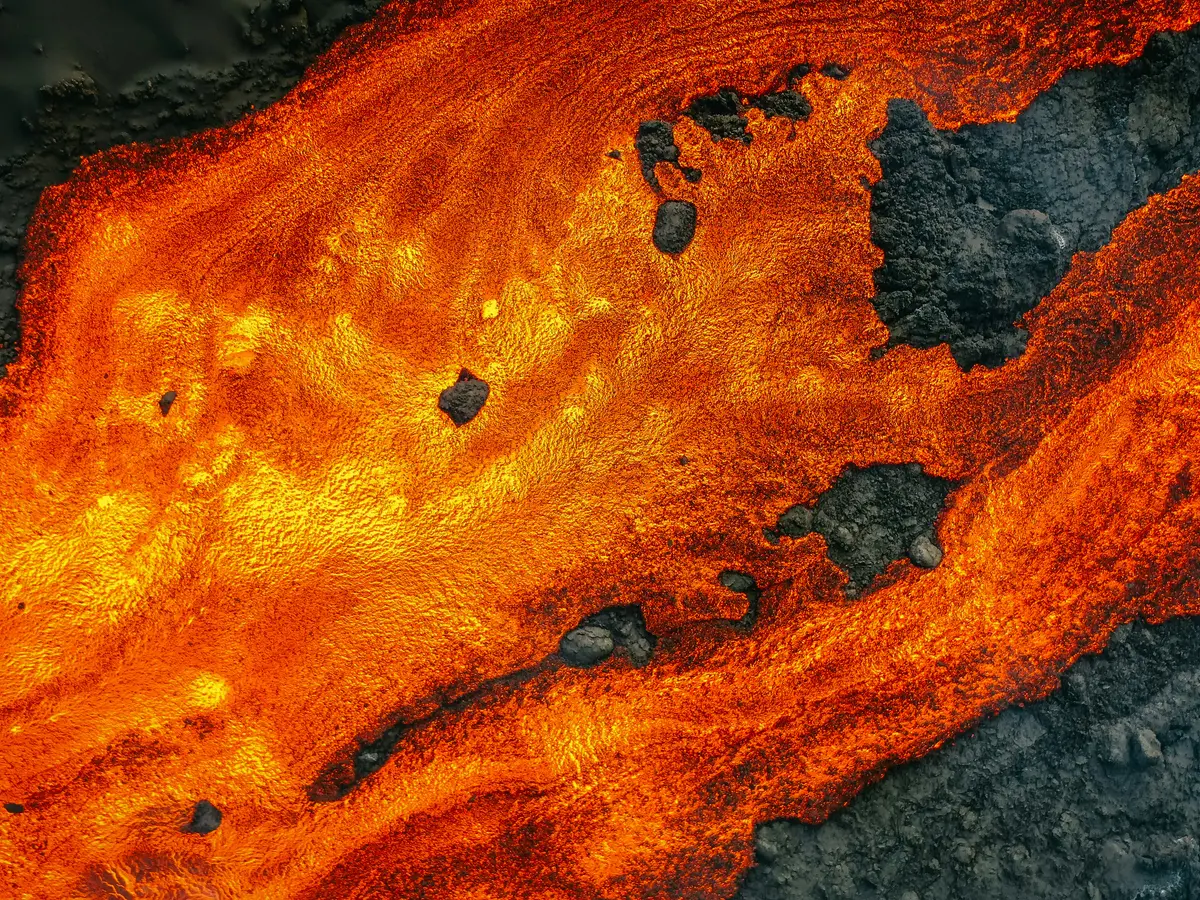
Ancient Million-Atomic-Bomb Volcano Discovered Beneath England’s East Coast by Scientists
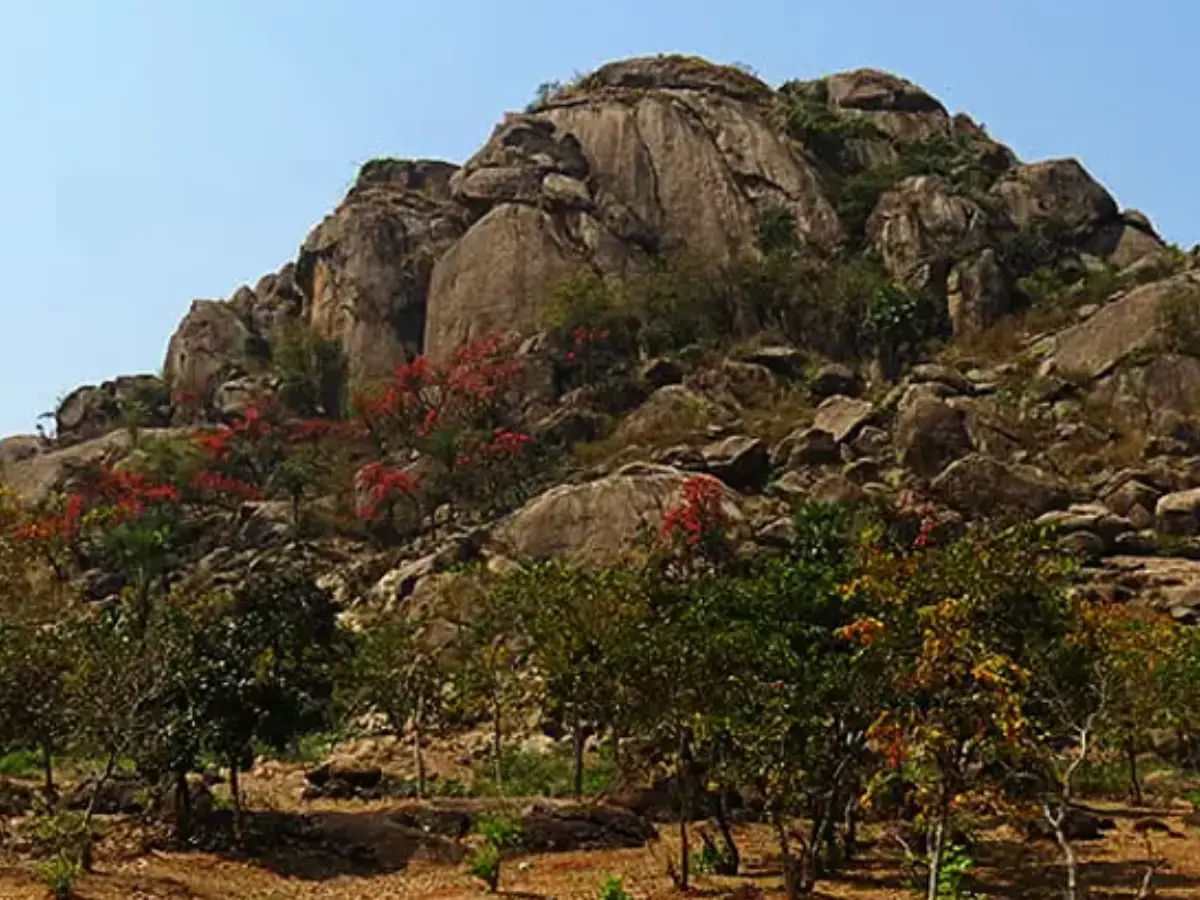
Indian Geologists Link Jharkhand Rocks to 3.5-Billion-Year-Old Life
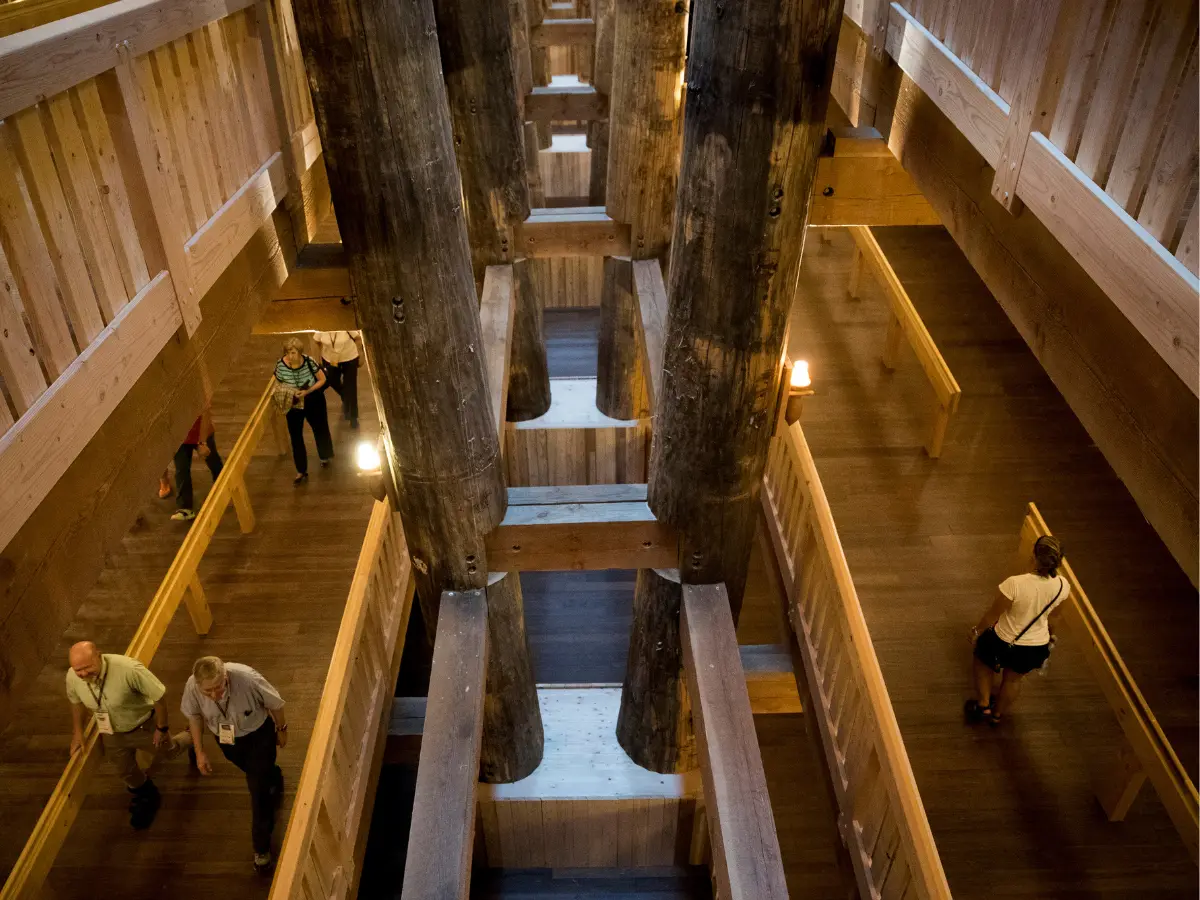
Marine fossils on Everest reignite Biblical flood, Noah's Ark debate
Fact-Check: Viral 22-Foot Shaligram Was Not Recently Discovered
Ancient Landscape Beneath Great Barrier Reef Reveals Human Past
Egyptian Shark Graveyard Reveals Ancient Cretaceous Marine Ecosystem
American Hiker Dies After Lightning Strike on Mount Etna

Etna Ash Keeps Catania Airport Shut Until Friday

Twinkle Khanna's Menopause Post Highlights Hot Flushes
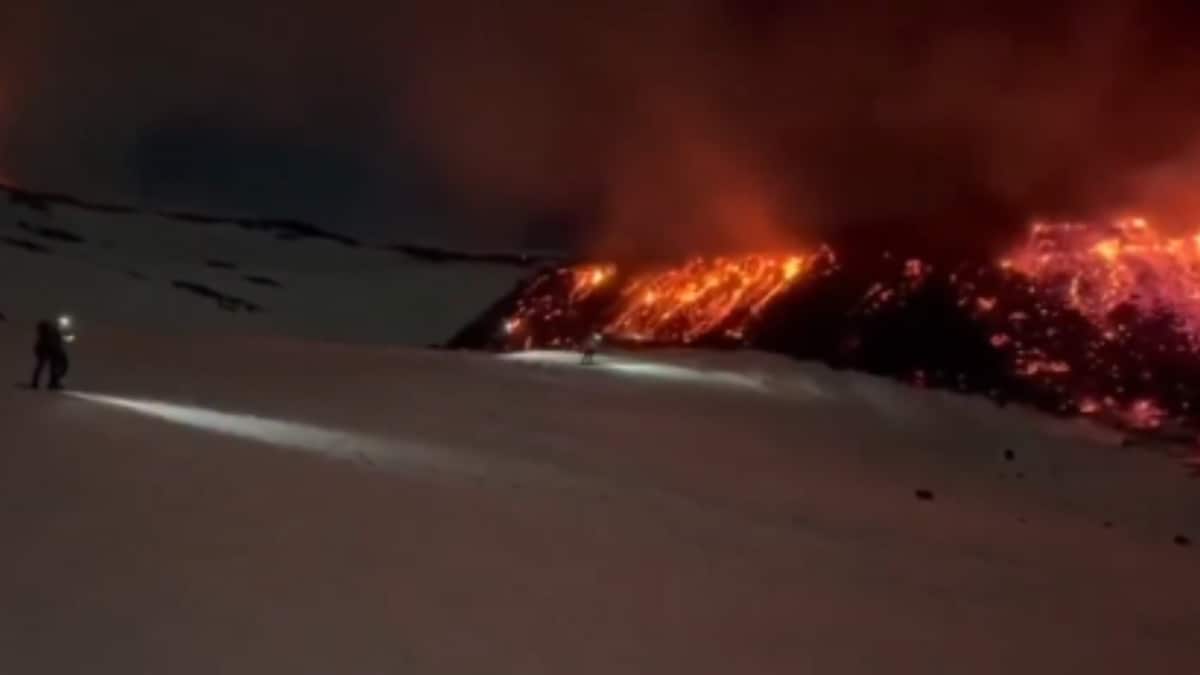
Mount Etna Erupts, Lava Flows Over Snow
