1 hr ago
Mumbai Airport Plans Temporary International Flight Cuts for T1 Redevelopment

Mumbai is rebuilding part of its Terminal 1, so some domestic flights need to move elsewhere.
Navi Mumbai International Airport is expected to take some of those flights.
Mumbai’s Terminal 2 will also make room for more domestic flights.
To do that, about one-third of its international departure slots are planned to be paused temporarily.
Airlines have been asked to choose which slots they can give up by October 6.
If they do not choose, the airport operator may decide.
Airlines say the move could affect schedules and have asked questions about how ready Navi Mumbai is.
The airport operator says the airlines’ historic slot rights will return after the rebuilt Terminal 1 opens.
The new terminal is expected to be commissioned in 2029-30.

Mumbai International Airport Ltd plans to reduce T2 international departures by about 33% from October 25.
About 265 of roughly 770 weekly international departure slots are expected to be temporarily discontinued, affecting 46 airlines.
Airlines have until October 6 to identify slots they are willing to surrender; MIAL may select slots if they do not.
The changes will make capacity available for domestic flights displaced by the phased redevelopment of Terminal 1.
Airlines and industry groups have raised concerns about forced relocation, airport readiness, and operational disruption at Navi Mumbai.
- Who
- Mumbai International Airport Ltd, 46 airlines, and airport users affected by the planned slot changes.
- What
- About 265 weekly international departure slots at Terminal 2 are expected to be temporarily discontinued as capacity is reallocated for domestic operations.
- Where
- Chhatrapati Shivaji Maharaj International Airport in Mumbai and Navi Mumbai International Airport.
- When
- The reduction is planned from October 25; airlines have until October 6 to identify slots to surrender. Terminal 1’s redevelopment is expected to be completed for commissioning in 2029-30.
- Why
- Terminal 1 redevelopment displaces domestic operations, and the existing airport lacks enough alternative capacity to accommodate all of them.
Airlines and industry concerns
Airport operator’s transition plan
Relocating operations to Navi Mumbai
Airlines and industry concerns
IATA opposes what it describes as forced relocation and says airlines should decide based on commercial and operational needs. It has also sought clarity on the new airport’s capacity and readiness.
Airport operator’s transition plan
The plan uses Navi Mumbai International Airport to absorb some traffic while Terminal 1 is redeveloped, because the existing airport does not have enough alternative capacity for all displaced domestic operations.
Selecting international slots to reduce
Airlines and industry concerns
Airlines have asked for greater flexibility over which flights or slots are moved or discontinued, given potential effects on schedules and operations.
Airport operator’s transition plan
MIAL has asked airlines to identify slots to surrender by October 6 and may decide which slots are withdrawn if airlines do not respond.
Duration and restoration of slots
Airlines and industry concerns
Airlines have raised concerns about the transition’s operational certainty and how existing slots will be treated during redevelopment.
Airport operator’s transition plan
MIAL says the international slot reduction is temporary and has assured airlines that historic slot rights will be restored once the redeveloped Terminal 1 becomes operational.
Key facts
- Airlines notified
- Around 46
- Planned slot reduction
- About 33% of international departure slots at Terminal 2
- Weekly slots currently available
- Around 770
- Slots expected to be temporarily discontinued
- Approximately 265 weekly international departures
- Airline deadline
- October 6
- Planned start of reduction
- October 25
- Expected commissioning of rebuilt Terminal 1
- 2029-30
Sources
Related news

Mumbai Airport Plans 265 Weekly International Slot Cuts
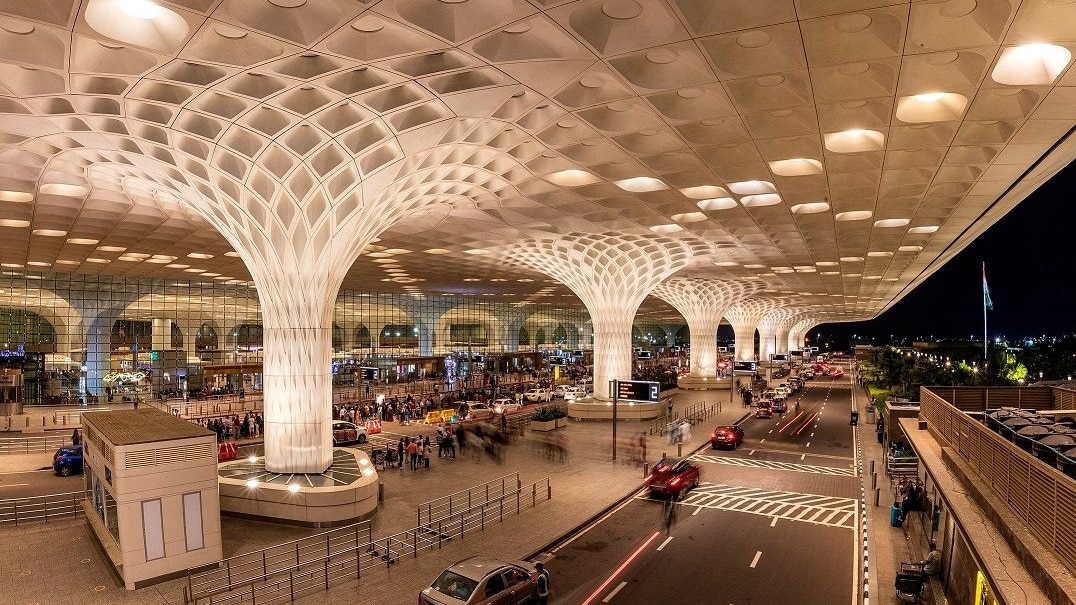
Mumbai Terminal 1 to Close, Redirecting Flights to Navi Mumbai

Mumbai Airport Plans Terminal 1 Revamp, Shifting Flights to Navi Mumbai

Adani Proceeds With Mumbai Airport Redevelopment as Airlines Object
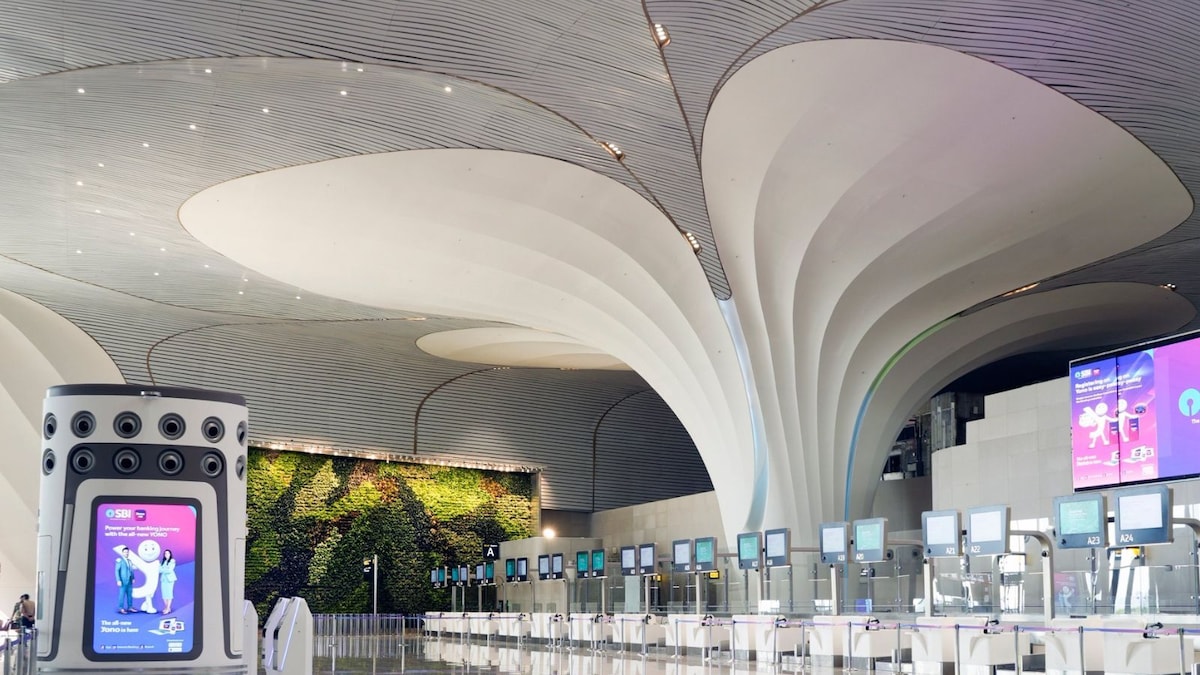
Mumbai Airport, Airlines Clash Over Navi Mumbai Flight Shift
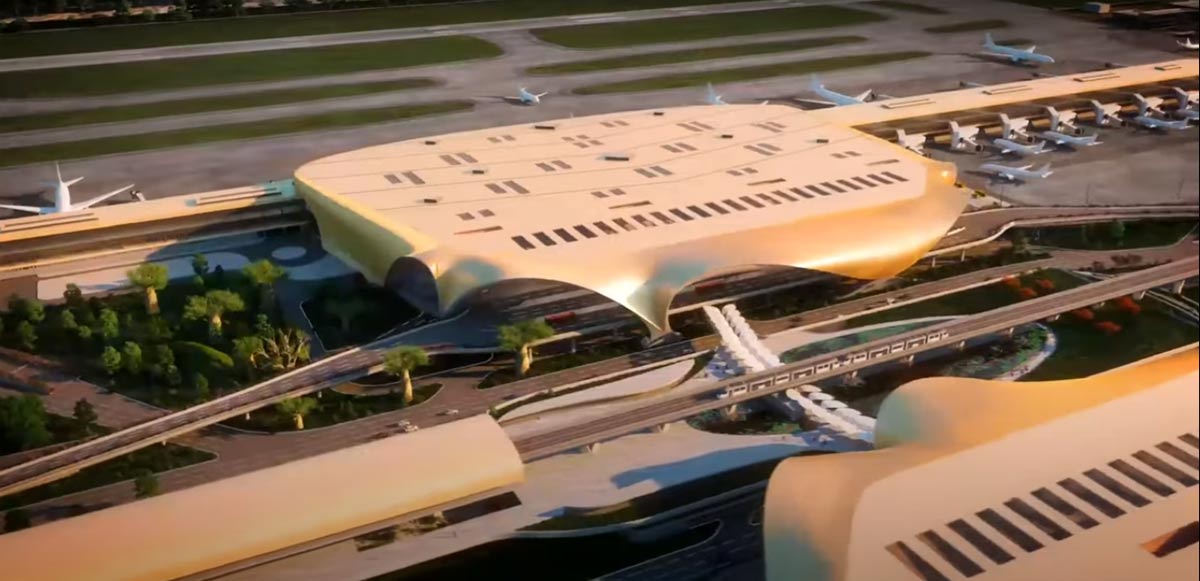
IATA Opposes Forced International Flight Shift to Navi Mumbai
Navi Mumbai Group Seeks Action on Sirens and Noisy Vehicles
Thane-Belapur Road to Close Four Nights for Flyover Work