

3 weeks ago
Deafening Kanwar Yatra noise in Delhi goes unheard by state
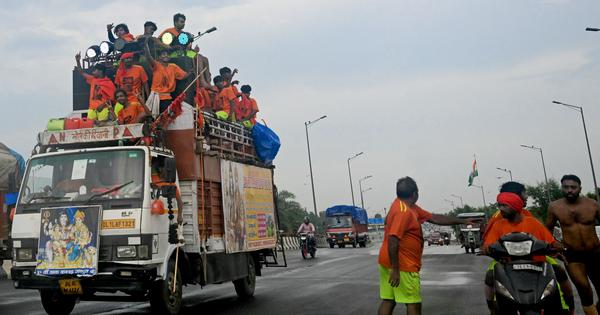
The Kanwar Yatra is a big religious trip that many people make in India.
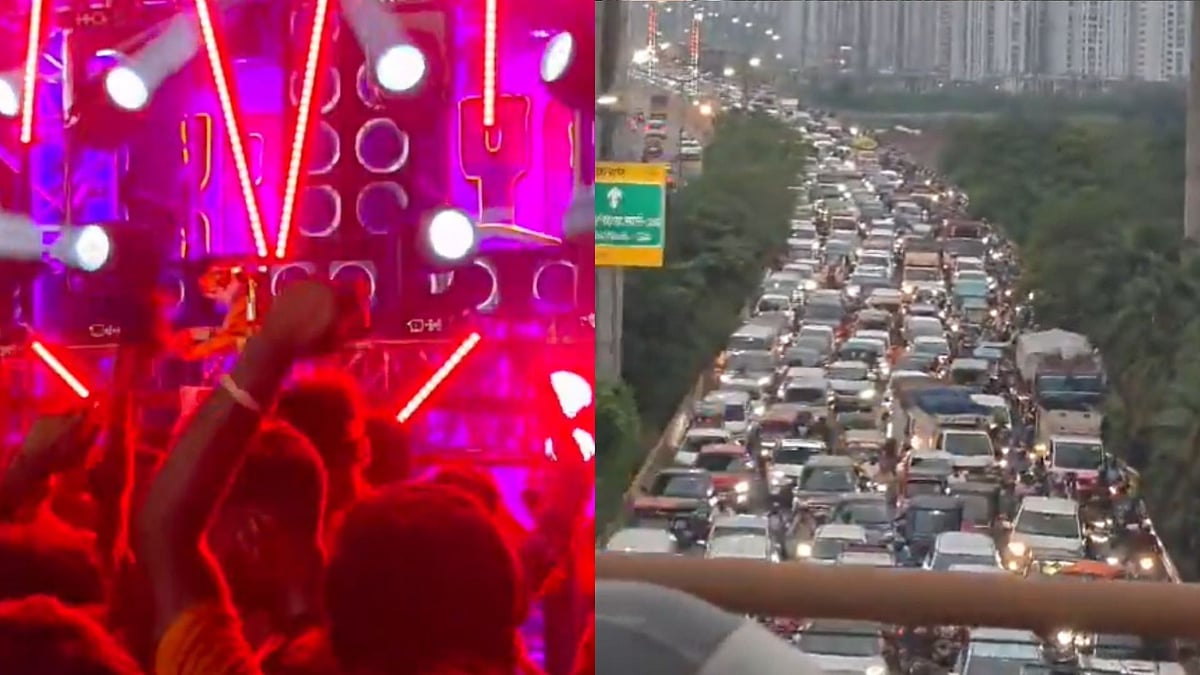
On its way, some trucks carried giant speakers that played very loud music.
The music was so loud that people's windows rattled and they could not sleep.
Reporters measured the noise and found it was over 100 decibels.
That is much louder than what the law allows in neighborhoods.
The law says neighborhoods should be quieter, especially between 10 at night and 6 in the morning.
Even though the music was too loud, no one who played it got into trouble.
The article compares this to another city where a person got in trouble for making a call to prayer too loud.
Loud noise can harm people's health, like hurting their ears or affecting their hearts.
The story says the rules should be fair and apply the same way to everyone.

Sound meters clocked more than 100 decibels as Kanwar Yatra trucks carrying large sound systems moved through residential areas near Delhi's Kalindi Kunj and Kalkaji.
No FIRs had been registered for the loud convoys; police only asked some drivers to lower the volume.
Delhi Chief Minister Rekha Gupta welcomed pilgrims by showering flower petals on August 9.
India's noise rules require written permission for loudspeakers, cap residential noise at 55 decibels by day and 45 at night, and ban outdoor amplification from 10 pm to 6 am.
The article contrasts this tolerance with Sambhal, where police seized a mosque loudspeaker and registered a case over an over-amplified azaan.
- Who
- Kanwar Yatra pilgrims, Delhi residents near Kalindi Kunj and Kalkaji, Delhi police, and Delhi Chief Minister Rekha Gupta.
- What
- Loud sound systems on Kanwar Yatra trucks exceeded 100 decibels in Delhi residential areas, yet no FIRs were registered despite legal limits.
- Where
- Delhi, near Kalindi Kunj and Kalkaji; pilgrims were also welcomed in Uttar Pradesh.
- When
- August 2026, around August 9 when Chief Minister Rekha Gupta showered petals on pilgrims.
- Why
- Authorities tolerated the amplified music as part of a religious celebration, while the article argues the same noise rules are selectively applied to other religious sound sources.
Strict, Equal Enforcement of Noise Rules
Accommodating Religious Celebrations
Noise rules and religious events
Strict, Equal Enforcement of Noise Rules
All religious sound sources, including Kanwar Yatra convoys, must follow the same decibel limits and face FIRs for violations.
Accommodating Religious Celebrations
Religious processions and festivals are celebrations the administration should accommodate, including tolerating louder music.
Noise as health risk vs. devotion
Strict, Equal Enforcement of Noise Rules
Excessive noise is a public health hazard linked to sleep loss, hearing damage and heart disease, so loud religious events should be regulated.
Accommodating Religious Celebrations
Loudness and music are part of expressing devotion and asserting a religious community's public presence, which should be respected.
Selective enforcement
Strict, Equal Enforcement of Noise Rules
Authorities seize mosque loudspeakers and register cases over amplified azaan while ignoring louder Kanwar Yatra sound systems, showing bias.
Accommodating Religious Celebrations
Police handle each incident case-by-case, and enforcement depends on complaints, context and local circumstances.
Key facts
- Peak noise reading
- More than 100 decibels near Kalindi Kunj and Kalkaji
- Background noise between convoys
- 80–88 decibels
- Legal residential noise limit
- 55 dB by day, 45 dB at night
- Night amplification ban
- 10 pm to 6 am
- FIRs registered
- None at time of reporting
- Chief Minister petal shower
- August 9, by Rekha Gupta
- Supreme Court ruling
- 2005: freedom from noise pollution is a fundamental right under Article 21
- Sambhal action
- March 2025: mosque loudspeaker seized, case filed against imam Hafiz Shakeel Shamsi
Quotes

Supreme Court
Judicial ruling affirming noise freedom as a fundamental right
““We are not concerned with any religion or religious practices; we are concerned only with the fundamental right of the citizens…and the people to protect themselves against noise pollution and forced audiences ,””
 scroll.in
Sources
Related news
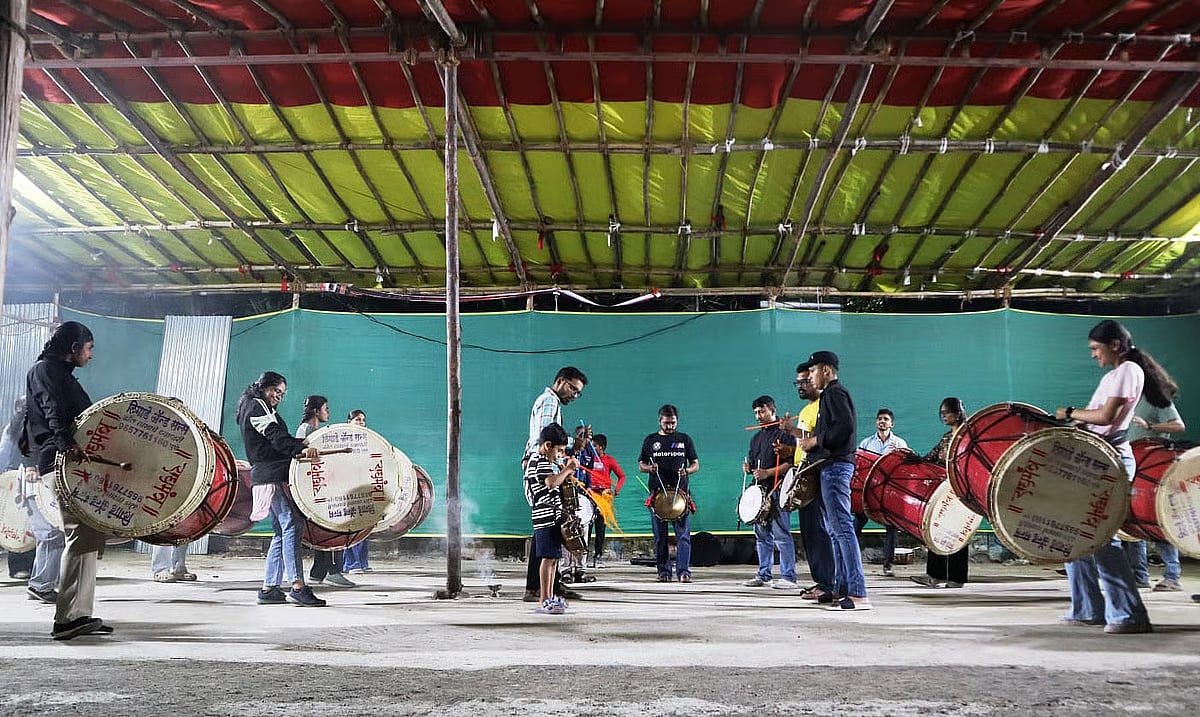
Dhols, DJs and the Legal Limits of Noise
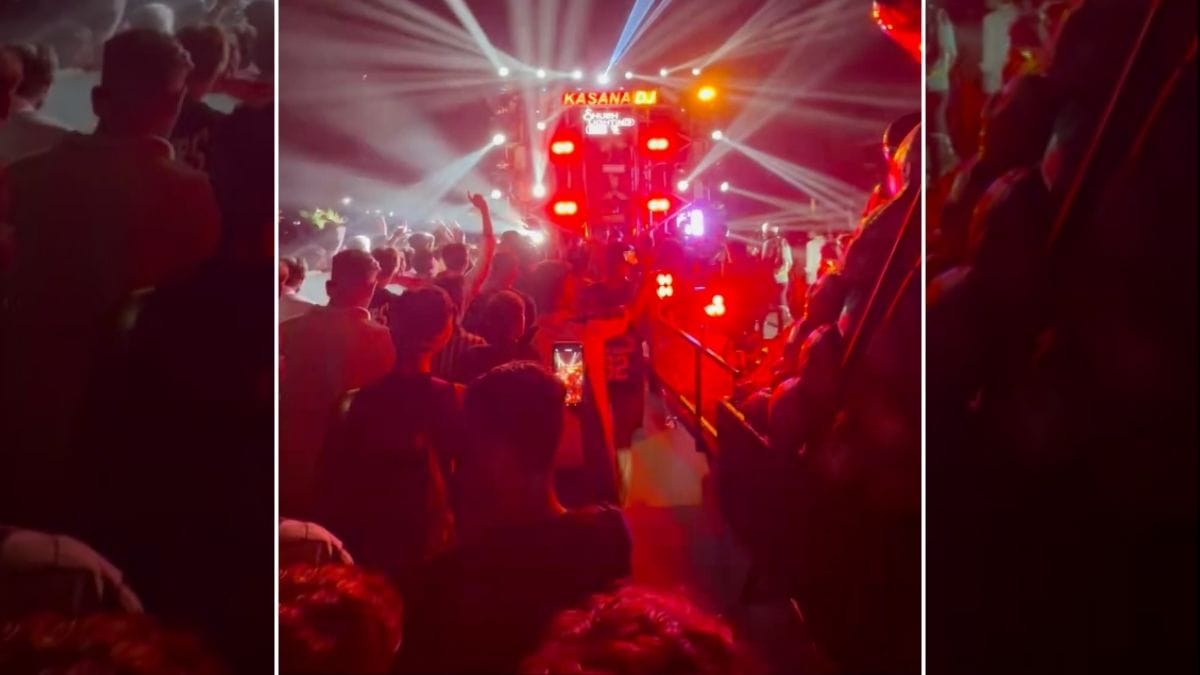
UP Police measure, fine oversized DJ systems at Kanwar Yatra
Letters Debate Loudspeakers, “Dimaagi Naxals” and Autograph Memories

Calcutta High Court dismisses PIL over Bengal mosque loudspeaker ban
Kanwar Yatra 2026: Oversized DJ Vehicles, Traffic Jams Trigger Concerns
Punekars Demand DJ Ban as Ganesh Festival Debate Intensifies

Delhi Cabinet Approves Bill to Simplify Business Approvals
Delhi GST Department Seizes Imported Cigarettes Worth Rs 65 Lakh

NESt Fest to spotlight Northeast culture and youth talent

Delhi Approves Free Rooftop Solar Panels for 2.3 Lakh Homes

Delhi Revises Solar Policy With Free Rooftop Systems
