2 weeks ago
Calcutta High Court dismisses PIL over Bengal mosque loudspeaker ban

A big court in Kolkata, the Calcutta High Court, said no to a case about loudspeakers.
Some people had asked the court to stop the police from taking away loudspeakers from mosques, which are Muslim places of worship.
The court said the case could not continue.
The government of West Bengal says it is removing loudspeakers to follow noise rules.
These rules say that religious places should not be too loud, because loud noise can bother people.
The government says it treats all religions the same and removed loudspeakers from both mosques and temples.
More than five thousand loudspeakers were affected across the state.
Some people, like a leader named Naushad Siddiqui, think the police are being too strict.
They worry that the rules may be used unfairly.
The government and the court say the rules apply to everyone and no community is being singled out.

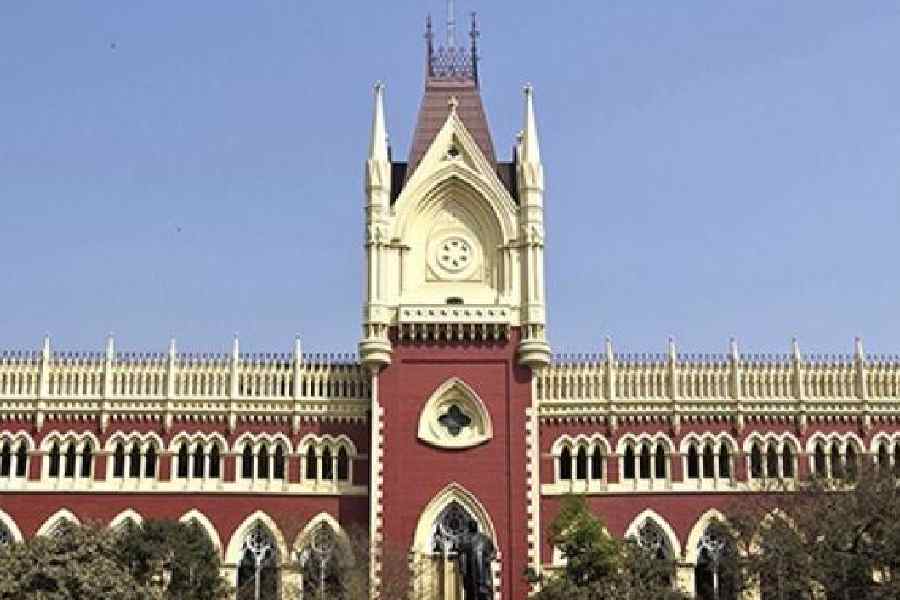
The Calcutta High Court dismissed a PIL challenging the removal of loudspeakers from mosques across Bengal.
A Division Bench of acting Chief Justice Tapobrata Chakraborty and Justice Atarup Banerjee delivered the decision on Tuesday.
Government data showed action was taken against 5,299 loudspeakers across 34 police districts as of Wednesday, including 4,203 from mosques and 1,096 from temples.
The state government says enforcement is uniform and based on a 2020 Calcutta High Court directive requiring sound limits at religious places.
Bhangar MLA Naushad Siddiqui had objected to what he called excessive police intervention and called for a uniform microphone policy.
- Who
- The Calcutta High Court (Division Bench of acting Chief Justice Tapobrata Chakraborty and Justice Atarup Banerjee), the West Bengal state government led by Chief Minister Suvendu Adhikari, and Bhangar MLA Naushad Siddiqui.
- What
- The High Court dismissed a PIL challenging the removal of loudspeakers from mosques across Bengal; action was taken against 5,299 loudspeakers.
- Where
- Calcutta High Court and locations across West Bengal (Bengal), India.
- When
- The decision came on Tuesday, with enforcement data reported as of Wednesday.
- Why
- To enforce noise pollution rules based on a 2020 Calcutta High Court directive requiring religious places to keep sound levels within prescribed limits.
Government and High Court position
Bhangar MLA Naushad Siddiqui's position
Loudspeaker removal drive
Government and High Court position
Police action enforces existing noise pollution regulations based on a 2020 Calcutta High Court directive, applied uniformly to all religious places.
Bhangar MLA Naushad Siddiqui's position
Restrictions and notices on microphone use are excessive police intervention that could undermine lawful and democratic activities; Siddiqui called for a uniform policy across the state.
Treatment of religious communities
Government and High Court position
The action is not directed at any particular community, and rules are being enforced equally at mosques and temples.
Bhangar MLA Naushad Siddiqui's position
Complaints received from several districts about restrictions on microphones during political, social and religious programmes highlight concerns within affected communities during the wider political debate.
Key facts
- Court
- Calcutta High Court
- Bench
- Acting Chief Justice Tapobrata Chakraborty and Justice Atarup Banerjee
- Decision
- PIL dismissed
- Loudspeakers acted against
- 5,299
- Police districts covered
- 34
- Microphones removed from mosques
- 4,203
- Microphones removed from temples
- 1,096
- Legal basis
- 2020 Calcutta High Court directive on sound limits at religious places
Sources
Related news

PIL challenges Bengal government's religious place loudspeaker removal order
High Court Seeks Bengal Reply on Mosque Loudspeaker Removal

Karnataka High Court Restores Mosque Loudspeaker Licence, Faults Police Action
Murshidabad MPs urge Bengal CM to halt mosque loudspeaker removal
Murshidabad MPs urge Bengal CM to stop mosque loudspeaker removals

Dhols, DJs and the Legal Limits of Noise

Supreme Court Questions IPS Deputation for CAPF Leadership Positions

Supreme Court Quashes 20-Year Conviction, Reaffirms Juvenile Legal Protections

Two Years After RG Kar Doctor's Rape-Murder, Case Remains Unresolved

ED widens Chhattisgarh probes with two arrests and searches
Delhi High Court Orders Madhya Pradesh to Pay Advocate Dues