3 days ago
Dhols, DJs and the Legal Limits of Noise
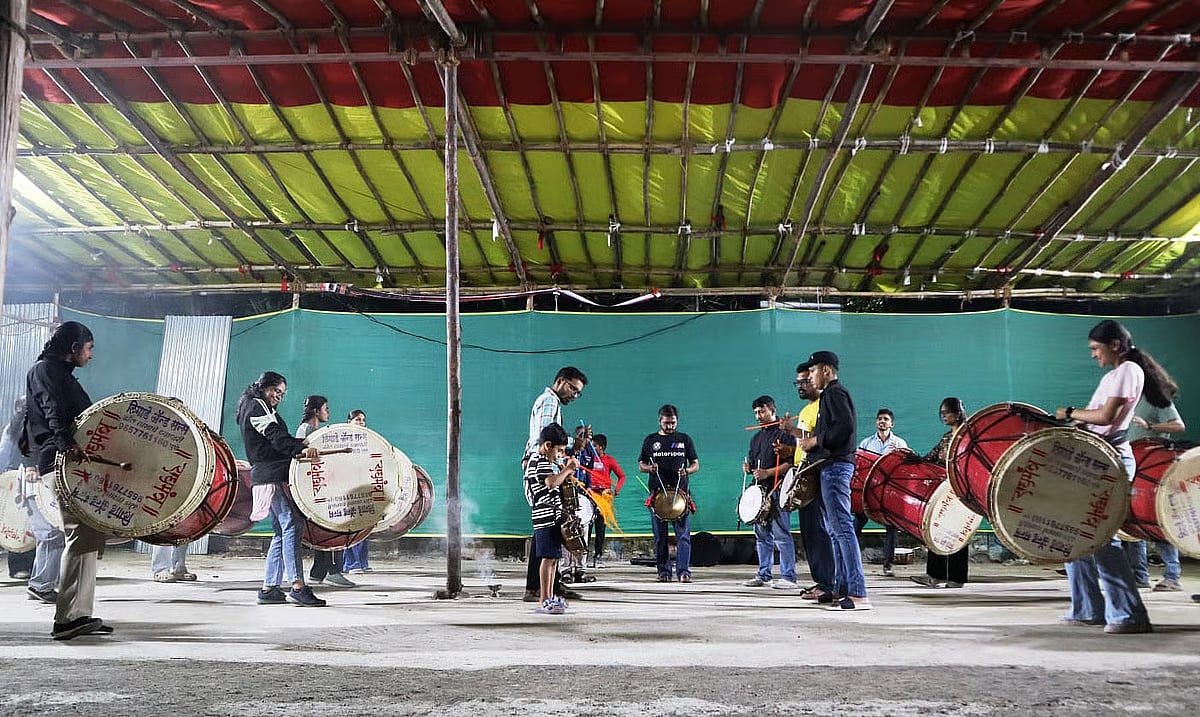
Noise can bother people differently, but laws measure it using decibel limits.
These limits apply to DJs, dhols and other sound systems alike.
Courts have said that religious or cultural activities do not create an unlimited right to make loud noise.
People also have rights to sleep, remain silent and avoid unwanted sound.
Different places, such as homes, businesses and hospitals, have different noise limits.
Loudspeakers in public places must stay within the legal limits even when officials grant permission.
The National Green Tribunal also set limits for loudspeakers and dhol-tasha groups at processions.
Some cities have held Ganesh immersion processions without DJs.
The issue involves both protecting culture and protecting people from noise pollution.

The Bombay High Court ruled that a culture of noise is not protected by Article 25.
Noise Pollution Rules set different day and night limits for industrial, commercial, residential and silence zones.
Public loudspeakers cannot exceed 10 decibels above ambient standards or 75 dB(A), whichever is lower.
The National Green Tribunal capped most pandal loudspeakers at 100 watts and dhol-tasha troupes at 30 members.
Chhatrapati Sambhajinagar held a DJ-free Ganesh immersion procession, following Solapur.
- Who
- Courts, pollution-control authorities, police, artists and communities involved in cultural and religious events.
- What
- The article examines legal limits on noise from DJs, dhols, loudspeakers and public processions.
- Where
- Maharashtra, including Chhatrapati Sambhajinagar and Solapur, within the legal framework of India.
- When
- The relevant court rulings and rules are discussed, while the DJ-free procession occurred last year.
- Why
- To enforce noise-pollution rules while addressing cultural participation, equal treatment and artists’ livelihoods.
Cultural Participation and Livelihoods
Noise Control and Public Rights
Dhols and DJs
Cultural Participation and Livelihoods
Both dhols and DJs can be integral to cultural or religious events, and selective restrictions may raise concerns about cultural comfort, equal opportunity and artists’ livelihoods.
Noise Control and Public Rights
The rules should apply to sound levels rather than favoring one type of sound, because both dhols and DJs can cause noise pollution.
Religious and cultural freedom
Cultural Participation and Livelihoods
Communities may view music and drumming as important parts of religious or cultural celebrations.
Noise Control and Public Rights
Court rulings state that religious freedom does not include an unlimited right to worship with loud noise or at any place, and courts may regulate noise connected to religious activity.
Public celebrations
Cultural Participation and Livelihoods
Festivals and processions provide opportunities for collective cultural expression.
Noise Control and Public Rights
Residents have rights to silence, sleep and freedom from unwanted sound, requiring celebrations to remain within prescribed limits.
Key facts
- Industrial-area limits
- 75/70 dB(A) Leq during the day/night.
- Commercial-area limits
- 65/55 dB(A) Leq during the day/night.
- Residential-area limits
- 55/45 dB(A) Leq during the day/night.
- Silence-zone limits
- 50/40 dB(A) Leq during the day/night.
- Public sound systems
- They cannot exceed 10 dB(A) above the ambient standard or 75 dB(A), whichever is lower.
- Private sound systems
- They cannot exceed 5 dB(A) above the ambient standard at the property boundary.
- Procession limits
- The National Green Tribunal directed that most pandal loudspeakers be limited to 100 watts and dhol-tasha troupes to 30 members.
Sources
Related news
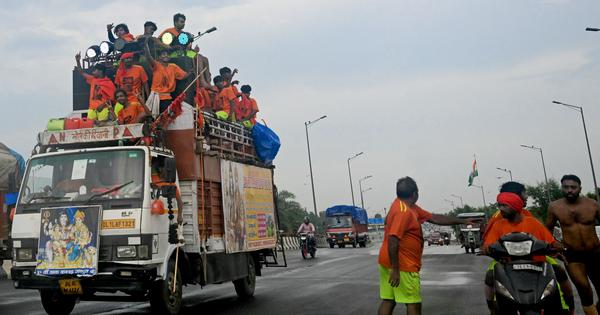
Deafening Kanwar Yatra noise in Delhi goes unheard by state

Calcutta High Court dismisses PIL over Bengal mosque loudspeaker ban

Parliamentary Panel To Review Pune Noise And Light Pollution
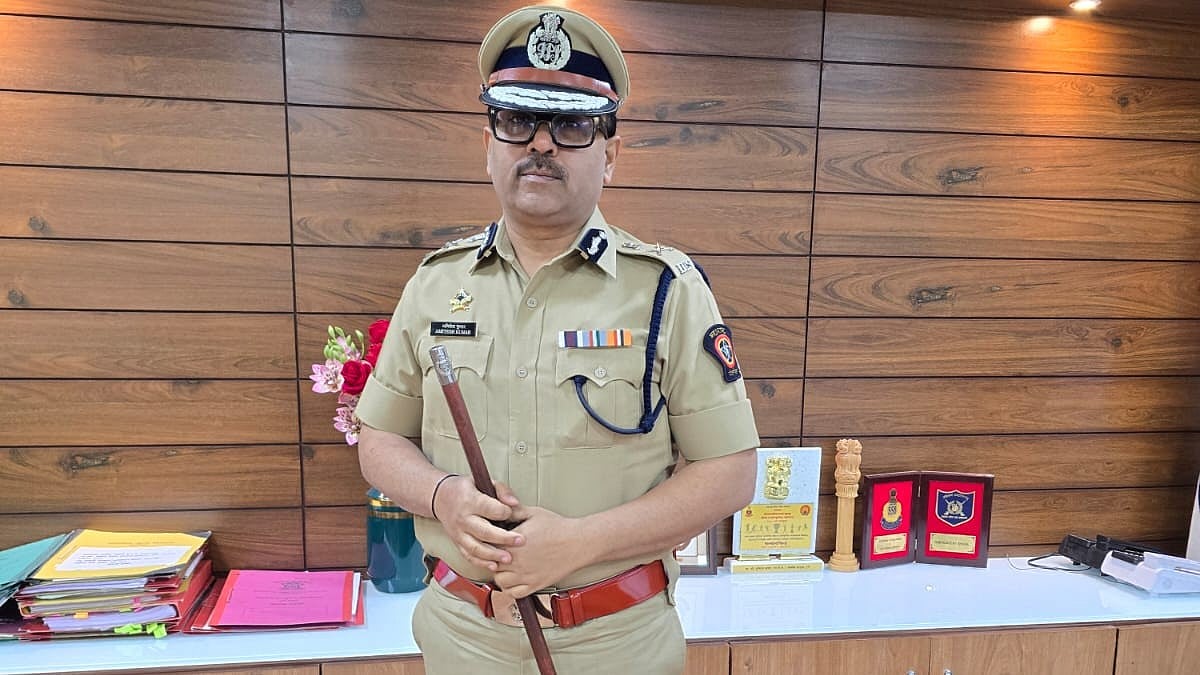
Pune Police Chief Faces Contempt Plea Over Noise Pollution

Murlidhar Mohol Backs Traditional Sounds, Limits Ganeshotsav Noise
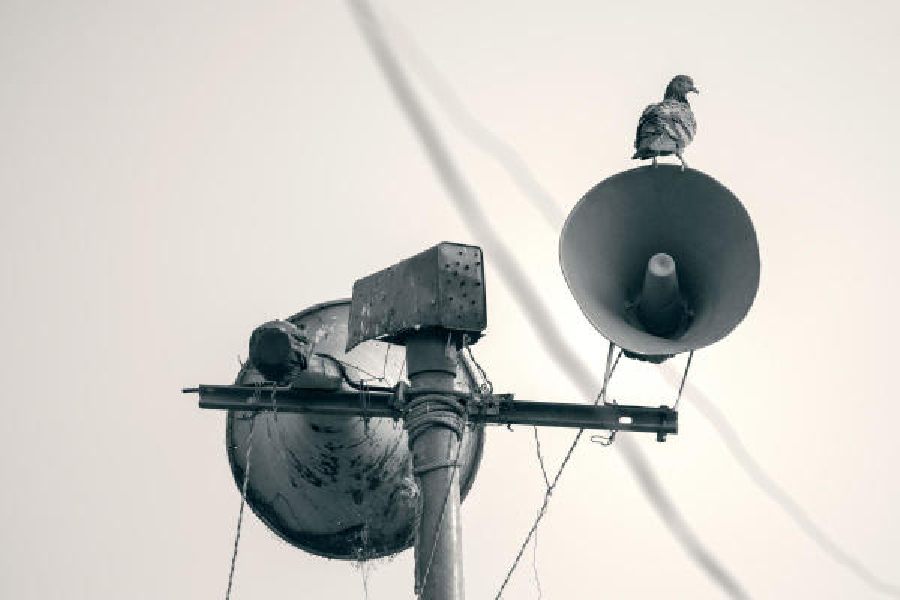
Letters Debate Loudspeakers, “Dimaagi Naxals” and Autograph Memories

Two Years After RG Kar Doctor's Rape-Murder, Case Remains Unresolved

ED widens Chhattisgarh probes with two arrests and searches
Delhi High Court Orders Madhya Pradesh to Pay Advocate Dues
Haryana sanitation workers’ strike puts BJP government under pressure
Orissa High Court Says Brothel Customers Cannot Face Trafficking Charges