2 weeks ago
Letters Debate Loudspeakers, “Dimaagi Naxals” and Autograph Memories
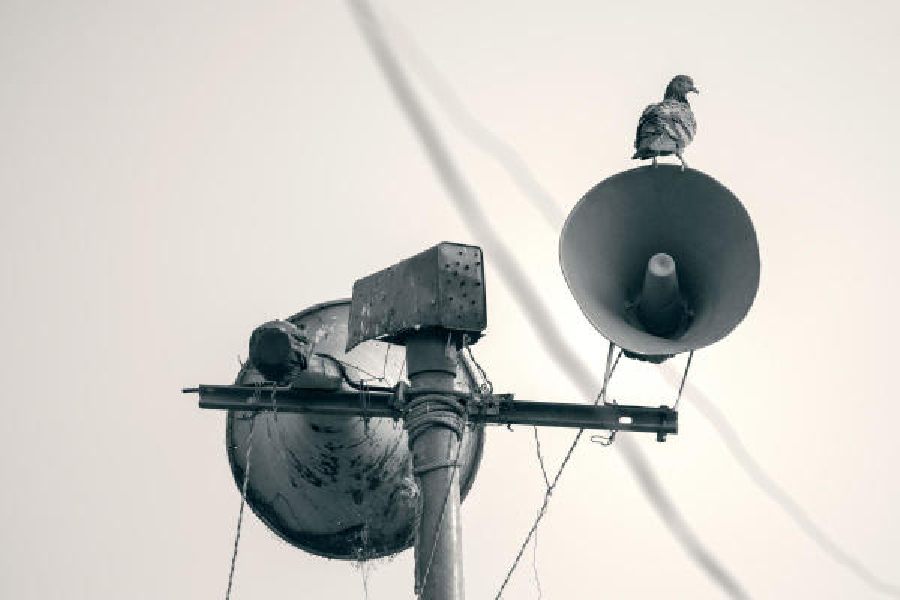
The letters discuss noise, political language and a hobby involving autographs.
One writer says loudspeakers at religious places and festivals can be too loud and should be regulated fairly.
The writer says everyone deserves some peace and quiet.
Several readers object to Prime Minister Narendra Modi calling some people “dimaagi Naxals.”
They worry the phrase could be used against people who question the government or think differently.
Another reader says both Modi’s words and the Opposition’s response created an unnecessary distraction.
The letters also mention other political labels used in recent debates.
Finally, one reader remembers collecting autographs from famous Indian personalities when younger.

A letter urges the Bengal government to enforce noise limits equally at religious sites and festivities.
Several writers criticize Narendra Modi’s use of “dimaagi Naxals” to describe ideological opponents and dissenters.
One letter says both the phrase and the Opposition’s reaction distracted from substantive national issues.
The letters reference earlier labels including “urban Naxals,” “tukde-tukde gang” and “andolanjeevi.”
Another reader recalls collecting autographs, including those of P.K. Banerjee and Manoj Mitra.
- Who
- Letters to the editor writers, Prime Minister Narendra Modi, the Opposition, religious authorities and the Bengal government are discussed.
- What
- The letters debate noise pollution, Modi’s use of “dimaagi Naxals,” political name-calling and the personal memory of collecting autographs.
- Where
- The issues concern India, including Bengal, while the letters were sent from Calcutta, Tamil Nadu, Mumbai, Faridabad, Bengaluru, Ahmedabad and Chennai.
- When
- The comments refer to Modi’s Independence Day speech and editorials dated August 9 and August 18.
- Why
- Writers call for equal enforcement of noise rules and debate whether “dimaagi Naxals” unfairly stigmatizes dissent or distracts from substantive issues.
Critics of the phrase and uneven enforcement
Defenders and alternative readings
Noise regulation
Critics of the phrase and uneven enforcement
Noise from religious loudspeakers and festivities can harm public health and the environment, so rules should be enforced equally at mosques, temples and other venues.
Defenders and alternative readings
The cited court case concerned allegations that police orally directed mosque authorities to remove loudspeakers; the Calcutta High Court dismissed those allegations as vague. The letters do not present a detailed defense of unrestricted loudspeaker use.
Meaning of “dimaagi Naxals”
Critics of the phrase and uneven enforcement
Several writers say the phrase is a demeaning political label aimed at people who question authority, criticize government policy or oppose the ruling party’s ideology.
Defenders and alternative readings
One letter presents the speech as referring to ideological supporters of Naxalism after armed Naxalism in the forests had largely been defeated. Another says the Opposition’s reaction was also unhelpful because it turned the phrase into a distraction.
Political consequences
Critics of the phrase and uneven enforcement
Critics argue that labeling dissenters in this way shrinks the space for democratic debate and stigmatizes activists, journalists, intellectuals and young people.
Defenders and alternative readings
A contrasting letter argues that the Opposition’s decision to embrace the label as a badge of honour gave the phrase more attention and diverted discussion from substantive questions.
Key facts
- Noise concern
- A letter says loudspeakers at mosques, temples, shrines and social festivities often exceed permissible limits.
- Court reference
- The Calcutta High Court dismissed a petition alleging that police orally directed mosque authorities to remove loudspeakers, calling the allegations vague.
- Contested phrase
- Narendra Modi used “dimaagi Naxals” in his Independence Day address.
- Criticism
- Several writers argue the term may target Opposition leaders, activists, journalists, intellectuals, students and other dissenters.
- Other labels cited
- The letters mention “urban Naxals,” “tukde-tukde gang,” “andolanjeevi” and “award-wapsi gang.”
- Government response
- The letters refer to an explanation of the term by Union minister Kiren Rijiju.
- Autograph memories
- One reader recalls obtaining autographs from P.K. Banerjee and Manoj Mitra.
Sources
Related news
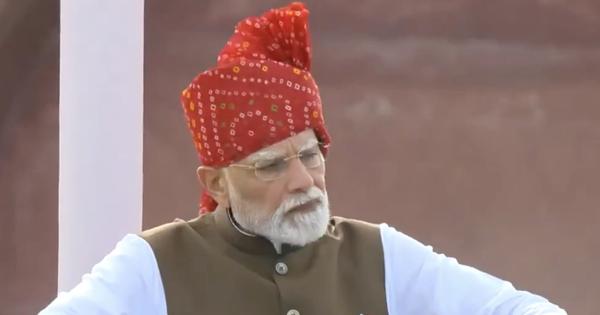
Congress dubs Modi 'master abuser' over 'dimaagi Naxals' remark

PM Modi's 'Dimaagi Naxal' Remark Sparks Anti-Dissent Debate
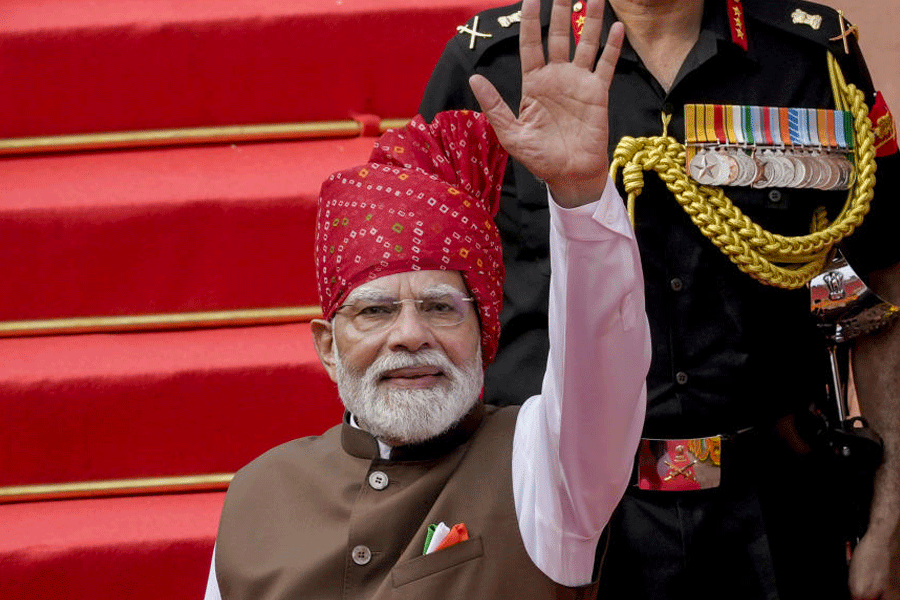
Modi's 'Dimaagi Naxal' remark sparks political row over dissent
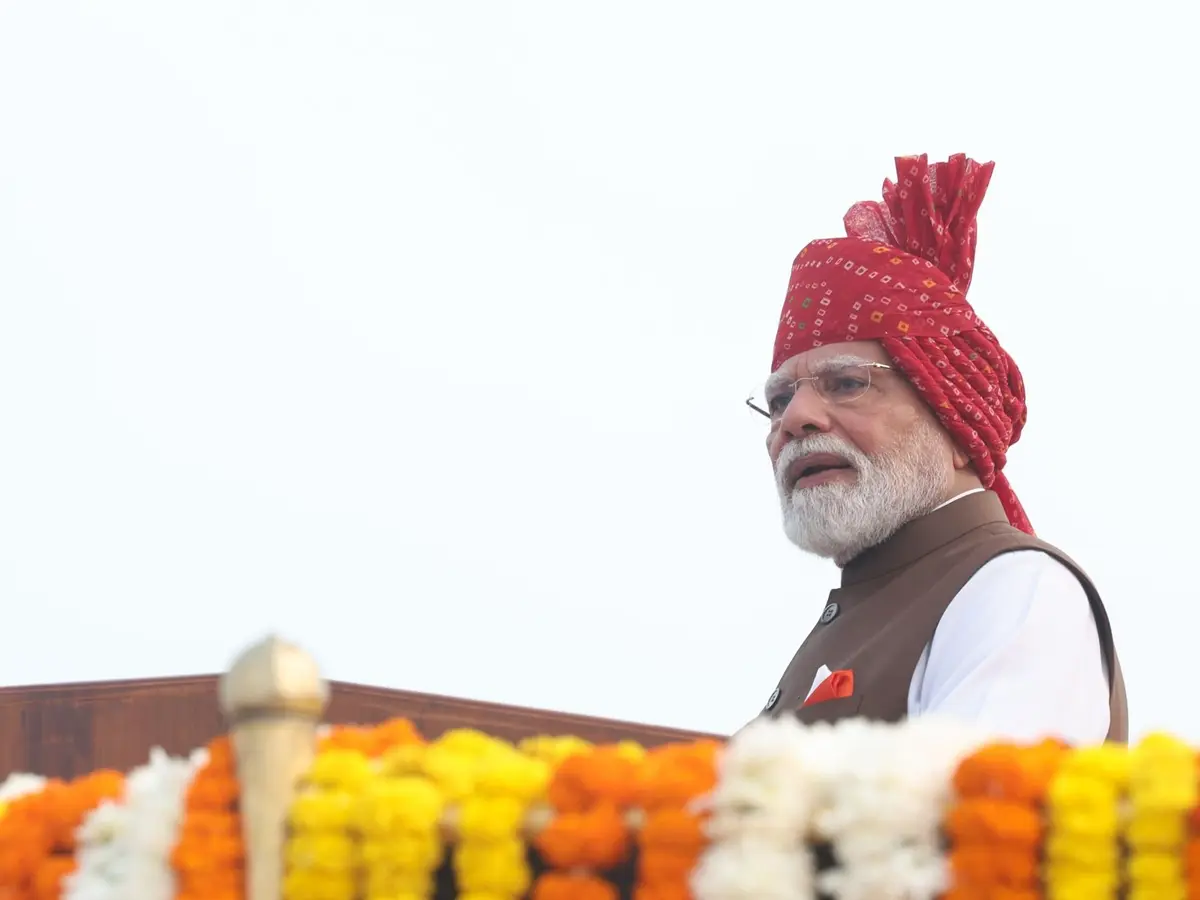
Opposition leaders hit back at Modi's 'dimagi Naxal' remark
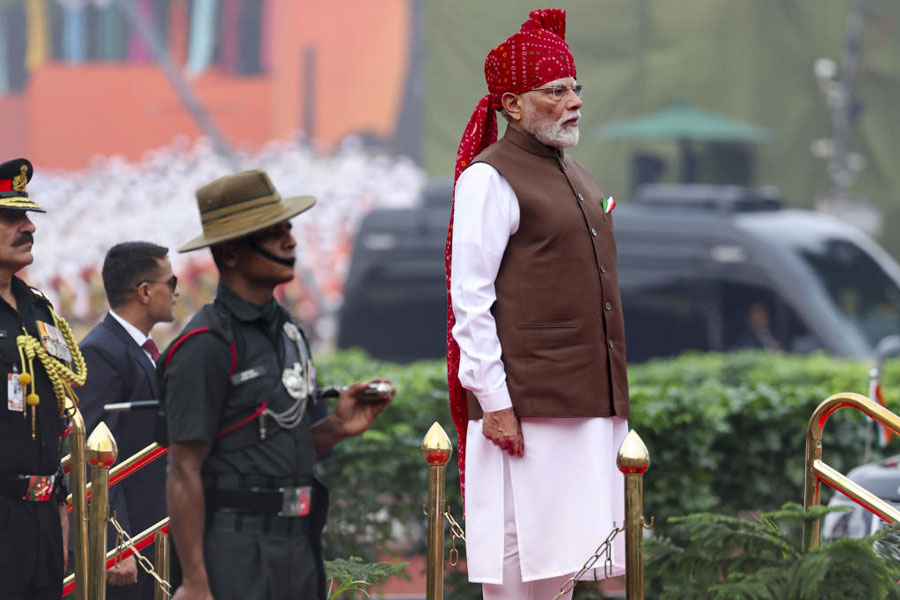
Opposition Slams Modi Over 'Dimagi Naxal' Jibe, Women's Quota

Calcutta High Court dismisses PIL over Bengal mosque loudspeaker ban