5 days ago
China Halts Tibet Rescue as Landslide Lake Raises Flood Risk
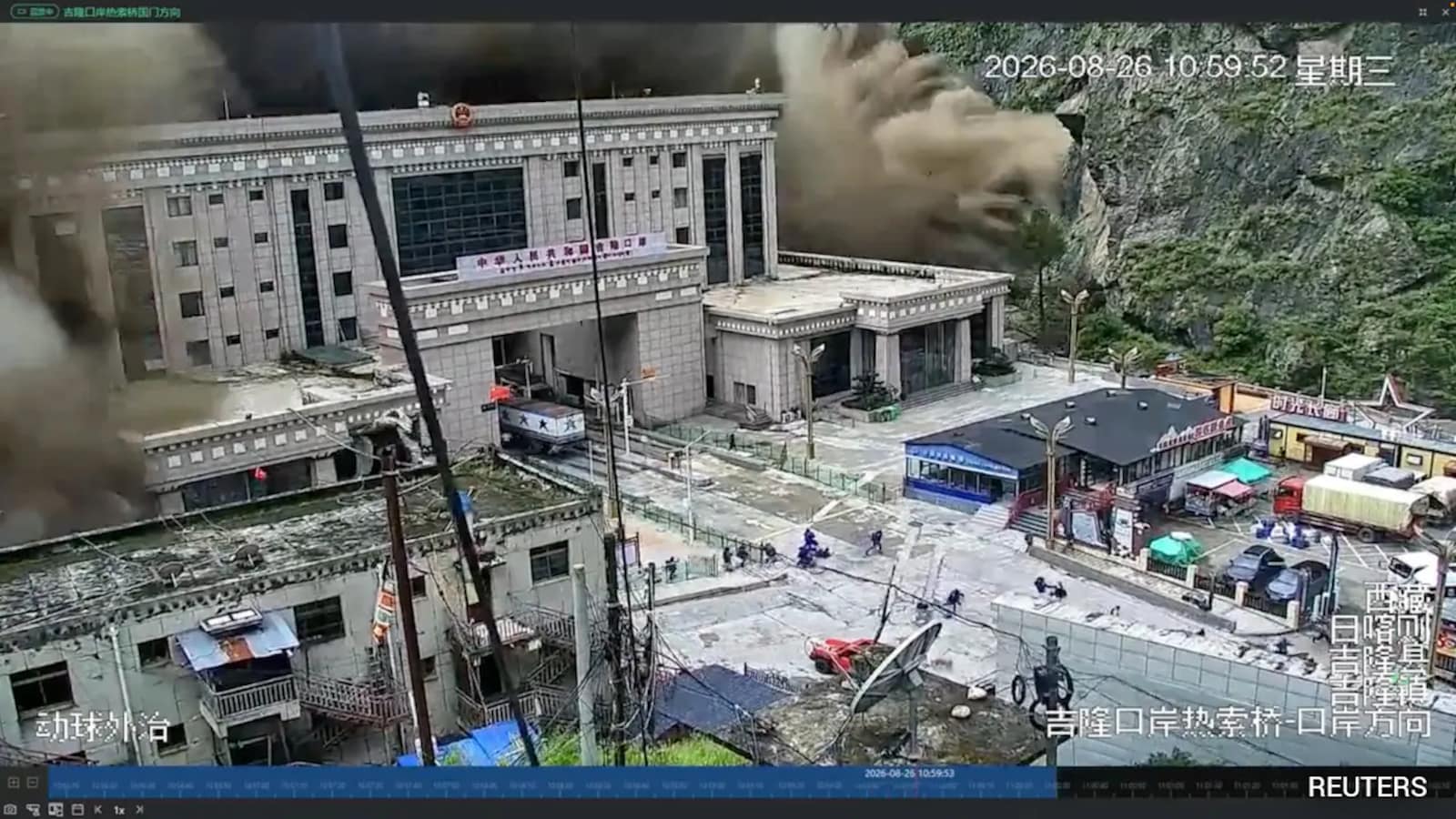
A huge landslide and flood struck near the border of China and Nepal.
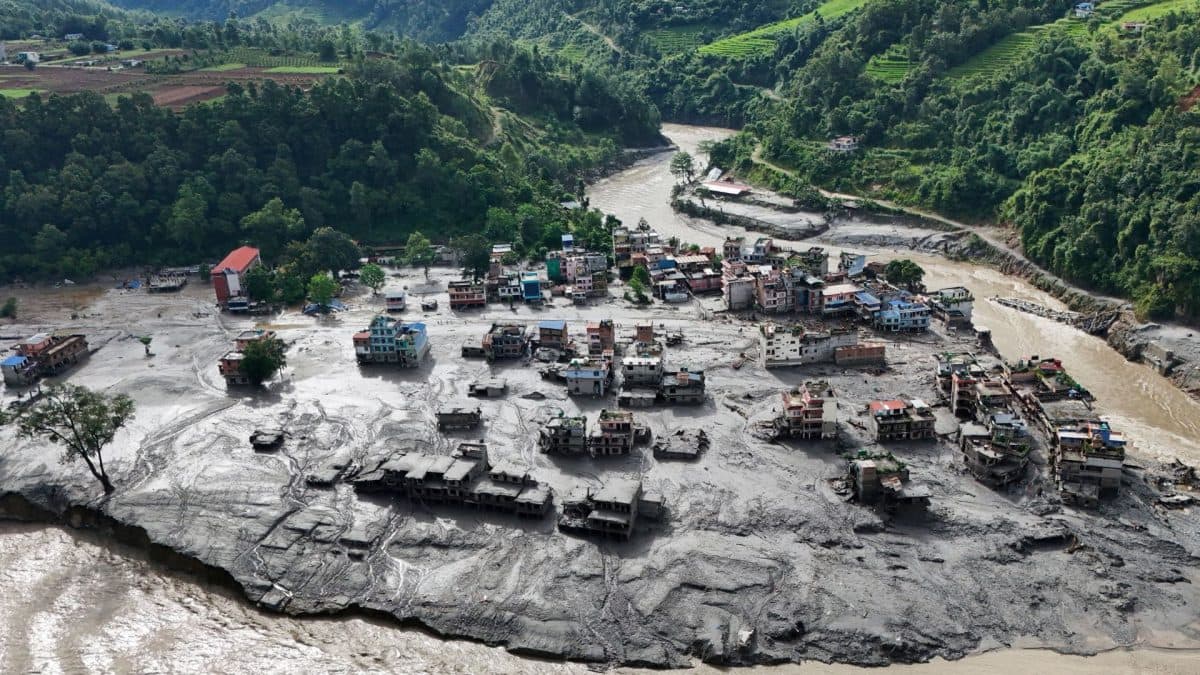
Mud and rocks blocked the Bhote Koshi River and created a temporary lake.
The lake has started overflowing, so more water could rush downstream.
Rain may make the lake bigger over the next three days.
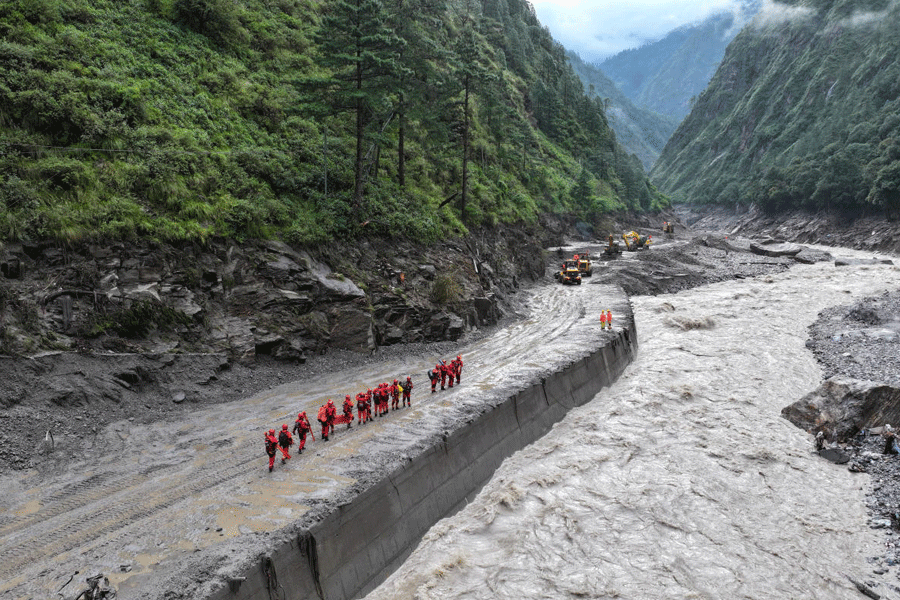
Because another flood could happen, China told rescuers to move one kilometre away and wait.
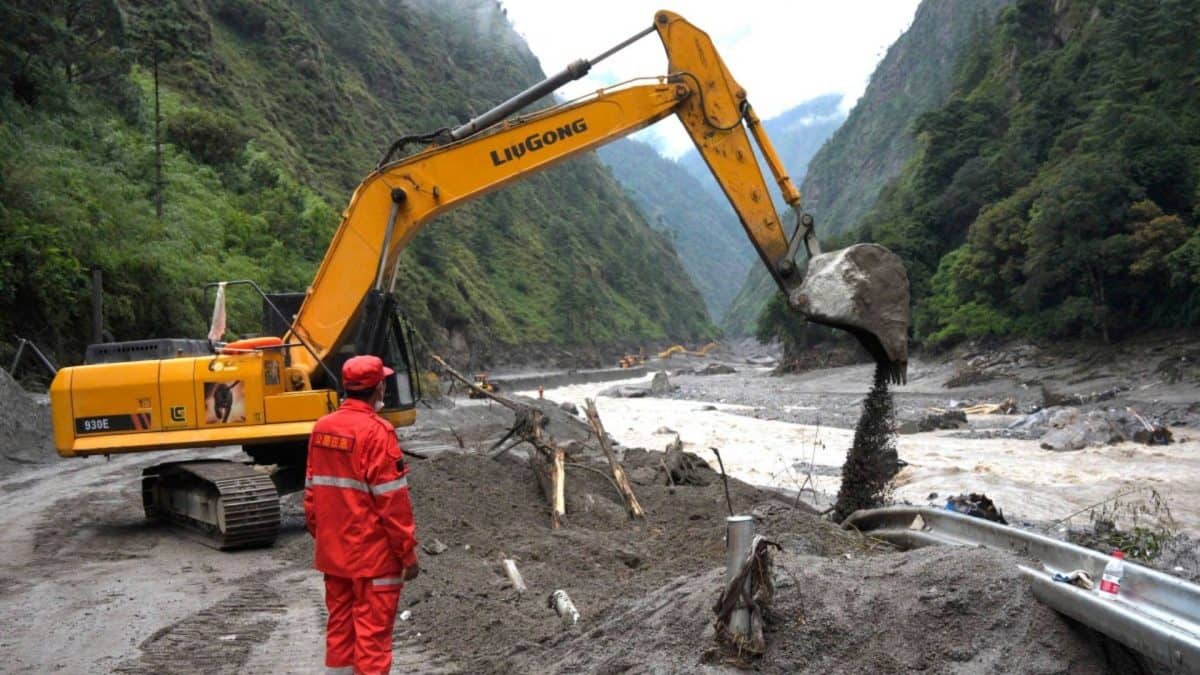
Rescue workers are still searching with drones, heat-sensing tools, computer maps, and by hand.
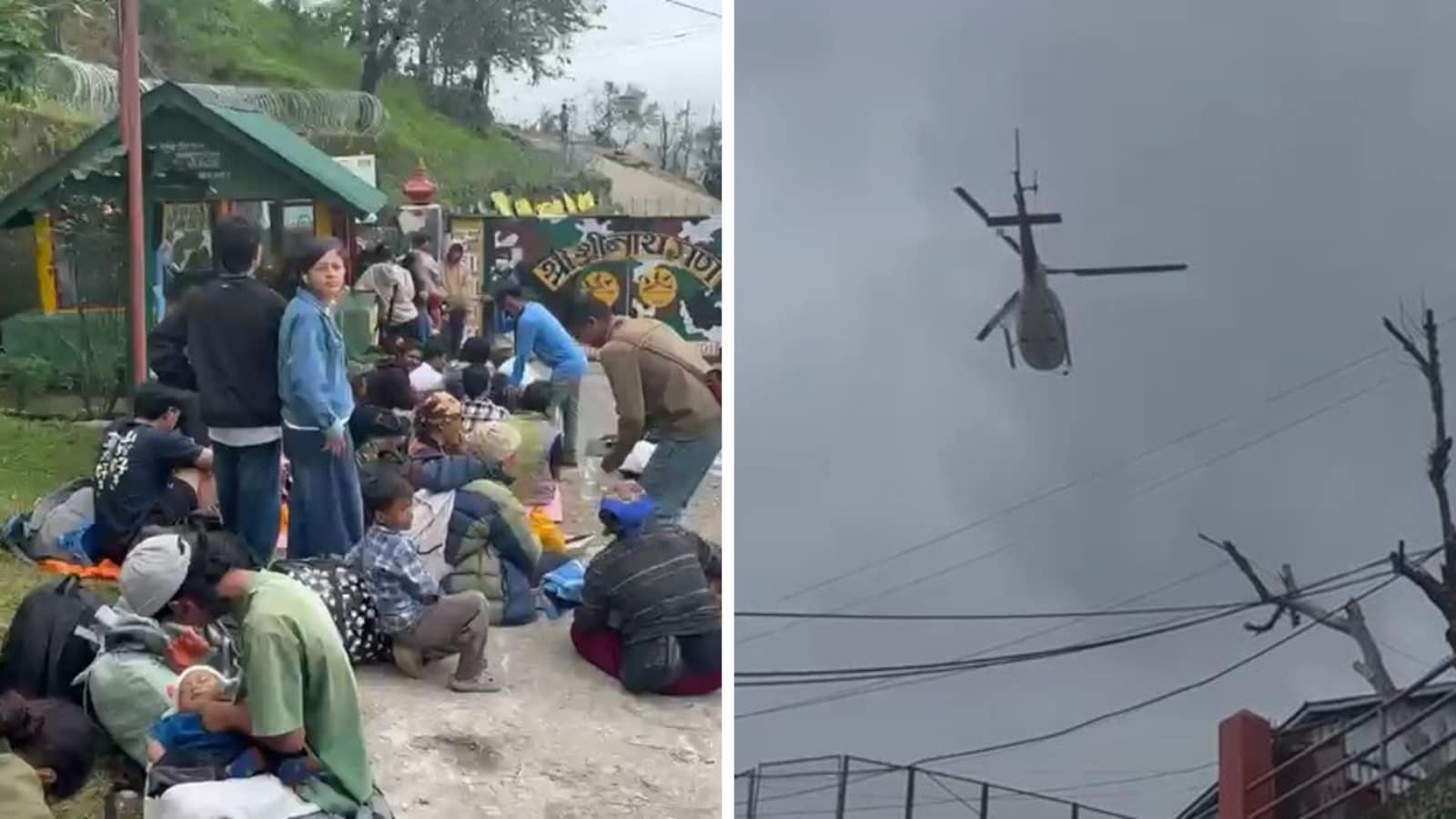
Many people have been moved to safer places.
News reports gave different numbers for the people killed and missing because they described different areas or updates.

China suspended rescue operations near the Tibet-Nepal border and ordered teams to withdraw one kilometre.
A debris-blocked section of the Bhote Koshi River formed a barrier lake that has begun overflowing.
Continued rainfall could raise the lake’s water level for three days, increasing the risk of a downstream breach.
Authorities said 499 Chinese citizens and 555 foreign nationals had been moved to safety by Friday.
Reports gave differing tolls, including 469 deaths and 667 missing overall, and separate Tibet figures of three deaths and 558 missing.
- Who
- Chinese authorities, rescue teams, and people affected in Tibet and Nepal.
- What
- China paused rescue operations because an overflowing landslide-created barrier lake could cause another flood.
- Where
- Near Gyirong in Tibet, along the China-Nepal border and the downstream Bhote Koshi River system, including areas near Gyirong Port and Nepal’s Rasuwa district.
- When
- The suspension was reported on Friday, two days after the mudslide and initial flooding; water levels were expected to rise for three more days and peak around September 1.
- Why
- Mud and debris blocked the river, creating a lake whose rising and overflowing water could breach the blockage and send floodwaters downstream.
Key facts
- Rescue order
- Teams were told to withdraw one kilometre, remain at a safe location, and wait for further instructions.
- Barrier lake
- The lake formed after mud and debris blocked the Bhote Koshi River and had begun overflowing.
- Water volume
- Chinese authorities said the lake held about 2 million cubic metres of water and could receive another 3 million cubic metres over three days.
- Flood risk
- Xinhua reported an increased risk that the lake could breach and damage Gyirong Port and other downstream areas.
- Evacuations
- CCTV said 499 Chinese citizens and 555 foreign nationals had been moved out of the disaster zone by Friday.
- Search methods
- Rescuers were using drones, 3D modelling, thermal imaging, and manual searches.
- Reported casualties
- One update cited 469 deaths and 667 missing people, including 127 Nepalis; separate Tibet figures cited three deaths and 558 missing, including 260 foreign nationals.
- Independent assessment
- Suhora Technologies estimated the lake covered about 20.25 hectares in Nepal’s high-altitude Lhende Khola region.
Quotes

China Central Television (CCTV)
Chinese state broadcaster reporting the authorities’ rescue directive
“All rescue teams have been ordered to stay on standby at a safe location and wait for further instructions.”
 NDTV
NDTV
 thestatesman.com
“The risk of the lake bursting has increased”
thestatesman.com
Suhora Technologies
A space analytics firm that analyzed the newly formed barrier lake
“This newly formed water body is a critical development to monitor. A lake at the source of an avalanche/debris-flow event can indicate ongoing meltwater accumulation and raises the possibility of further outburst flooding downstream if left unchecked.”
 firstpost.com
Sources

Related news
Nepal Warns Rescuers After Reported Dam Breach In Tibet

China Resumes Rescue Work as Border Barrier Lake Risk Eases
China Warns Nepal Barrier Lake Could Breach Within 72 Hours
Overflowing Lake Threatens Flood-Hit China-Nepal Border Regions

Tibet Mudslide Leaves Three Dead, 558 Missing, Rescue Intensifies

Nepal Barrier Lake Breaches Banks, Raising Fresh Flood Threat

Nepal Thanks India as Glacial Disaster Rescue Efforts Continue
Nepal Warns of Heavy Rain After Deadly Floods
Nepal Flood Exposes Delayed Alerts and Cross-Border Warning Gaps
Bhotekoshi Flood Crisis: Nepal PM Shah Calls for Courage

Nepal PM Thanks India, China Amid Climate Compensation Demand