

5 days ago
How Nepal Sheltered Nana Saheb After India’s 1857 Revolt
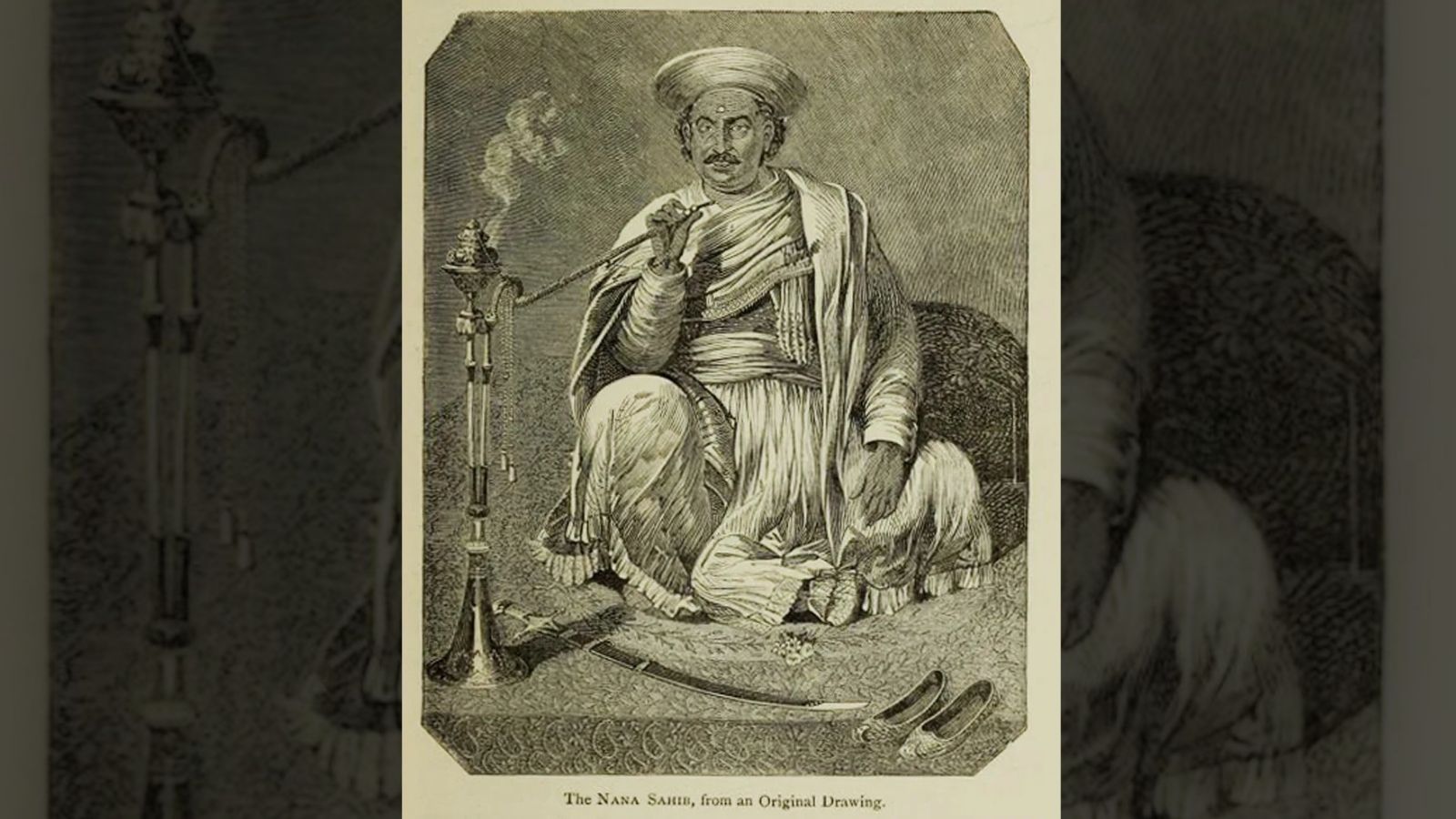
Nana Saheb was the adopted son of the last Peshwa, Baji Rao II.
The British did not accept Nana Saheb as the rightful heir after the Peshwa died.
Because of this, Nana Saheb became an important leader in the 1857 revolt against British rule.
The revolt was defeated, and many Indian fighters had to escape.
Some crossed the Gandak River and went into Nepal.
A British officer reported that many rebel commanders were camping in Nepal in 1859.
He said Nana Saheb was staying at a fort called Nuwakot with about 200 guards.
Nepal officially helped the British but is described in historical research as secretly helping some rebels.
Nobody is certain whether Nana Saheb later died in Nepal or India.

Nana Govind Dhondu Pant was adopted by Peshwa Baji Rao II in 1827 and later became known as Nana Saheb.
After the British refused to recognise his claim to the Peshwa succession, Nana Saheb became a prominent leader in the 1857 uprising.
Historical records cited by researchers say defeated Indian soldiers and civilians crossed the Gandak River into Nepal seeking refuge.
A letter dated April 14, 1859, said about 60 rebel commanders had entered Nepal and that Nana Saheb was at Nuwakot with roughly 200 bodyguards.
Nepal supported the British militarily while allegedly aiding rebels covertly, and Nana Saheb’s eventual fate remains disputed.
- Who
- Nana Saheb and other Indian rebels, with Nepalese Prime Minister Janga Bahadur involved in managing relations with the British.
- What
- Nepal provided refuge and alleged covert assistance to rebels after the 1857 uprising, while also giving military support to the British.
- Where
- Rebels crossed the Gandak River into Nepal; Nana Saheb was reported at Nuwakot, beyond Butwal.
- When
- During and after the 1857 uprising; a key British report was dated April 14, 1859.
- Why
- The rebels sought safety after their defeat, while Nepal balanced its support for the British with assistance to Indian fugitives.
Nepal Sheltered the Rebels
Nepal Maintained Official Distance
Nepal’s role in the uprising
Nepal Sheltered the Rebels
Historical records and contemporary accounts cited in the article say Nepal covertly aided Indian rebels and gave them refuge after their defeat.
Nepal Maintained Official Distance
Nepal provided essential military support to the British and publicly denied that its government was hiding Nana Saheb.
Nana Saheb’s presence in Nepal
Nepal Sheltered the Rebels
A letter by Colonel Kelly reported that Nana Saheb was at Nuwakot with approximately 200 bodyguards.
Nepal Maintained Official Distance
Janga Bahadur told Resident Ramsey that anyone proving Nana Saheb was being hidden by the Nepalese government would receive a reward, reflecting Nepal’s denial of official concealment.
Nana Saheb’s final fate
Nepal Sheltered the Rebels
Some accounts maintain that Nana Saheb died in Nepal after receiving refuge there.
Nepal Maintained Official Distance
Other accounts say he died in India, and the article states that his final location remains uncertain.
Key facts
- Nana Saheb’s birth name
- Nana Govind Dhondu Pant
- Adoption
- He was adopted by Peshwa Baji Rao II in 1827 at age three.
- Uprising
- Nana Saheb became a prominent leader during the 1857 First War of Independence.
- Reported refuge
- Nana Saheb was reported to be at the fort of Nuwakot in Nepal.
- Rebel commanders
- Colonel Kelly reported that 60 commanders had crossed into Nepal by April 14, 1859.
- Nana Saheb’s guards
- About 200 bodyguards were reportedly protecting him at Nuwakot.
- Historical uncertainty
- Accounts disagree over whether Nana Saheb died in Nepal or India.
Quotes
Pandurang Balkawde
Historian discussing Nana Saheb’s whereabouts after the defeat of the 1857 rebellion.
“Till today, we remember that Nepal ne unko aashray diya thha.”
 indianexpress.com
“But, nobody knew where Nana Saheb was.”
indianexpress.com
Historical paper authors
Academicians whose research paper examines Nepal’s role during the 1857 Indian national movement.
“During the Indian rebellion, not only soldiers but also numerous Indian civilians fought against the British. Following their defeat, these rebels fled to seek refuge within Nepal’s borders.”
indianexpress.com
Sources
Related news
80th Independence Day honours India's unsung freedom fighters
Rajnath Singh Unveils Lucknow Statue Honoring Queen Avantibai Lodhi
Nepal May Have Lost Original 1816 Sugauli Treaty Documents
Kerala's Freedom Martyrs: From Pazhassi Raja to Commoners
Subhas Chandra Bose Remembered on 81st Death Anniversary
Indian Army Chief Receives Honorary Nepali Army General Rank

Nepal Flood Death Toll Tops 1,200 as Climate Risks Rise
Sonu Sood Takes Flood Relief To Devastated Nepal Villages
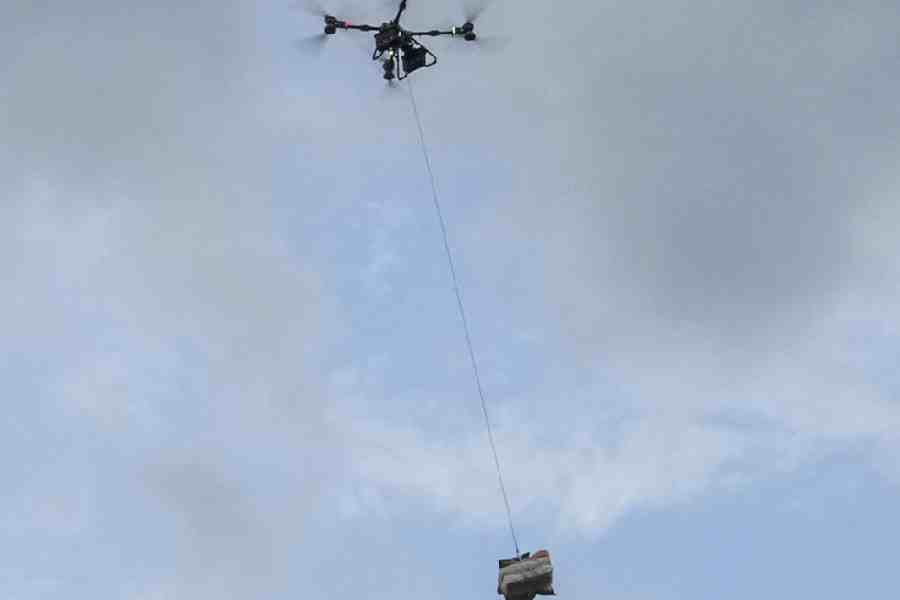
Nepal’s Drones Carry Bodies, Aid During Devastating Floods
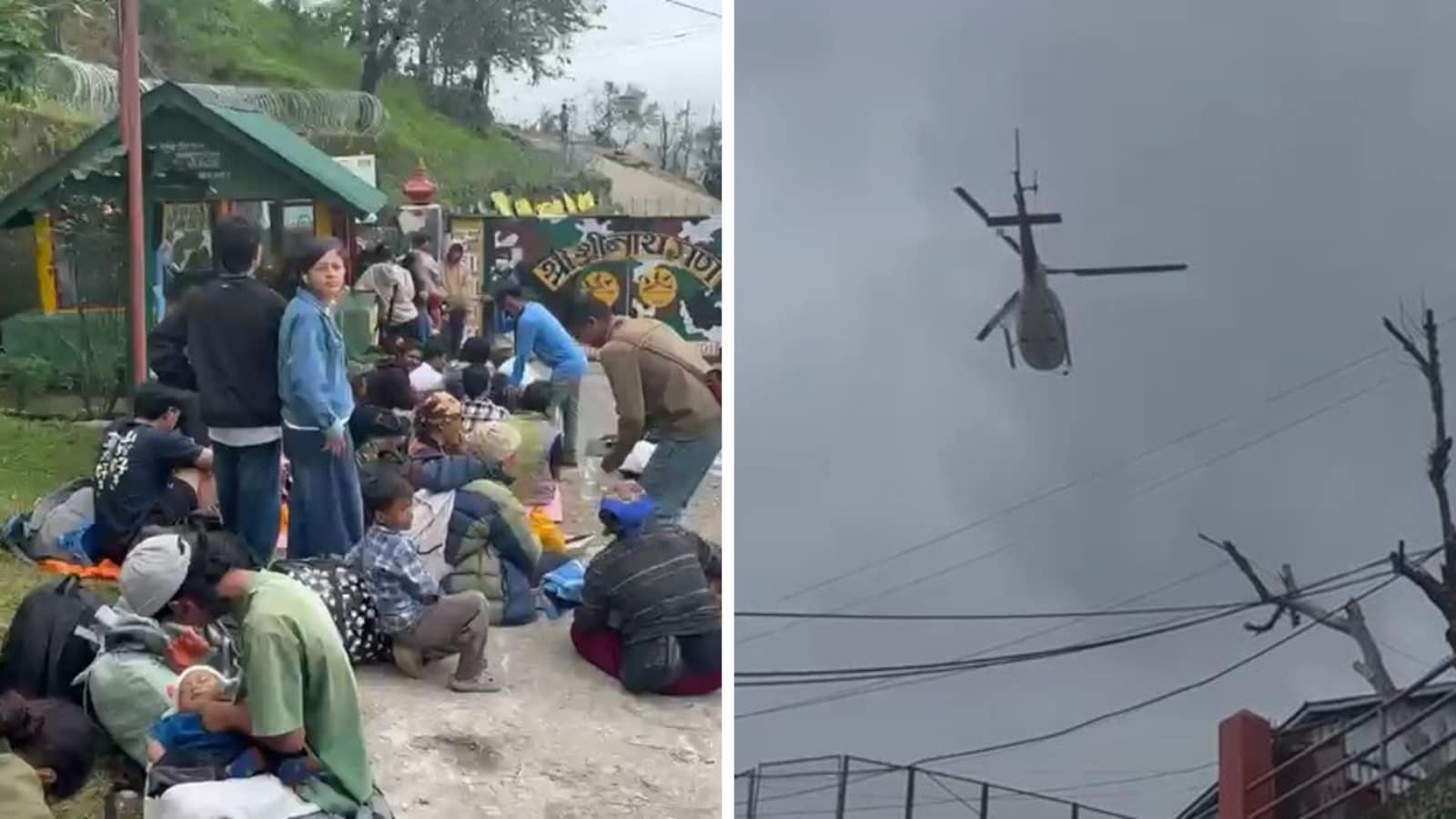
Nepal Army Choppers Rescue Flood Victims

Nepal Reports 1.6 Million Affected by Bhotekoshi Floods
