

2 weeks ago
Kerala's Freedom Martyrs: From Pazhassi Raja to Commoners
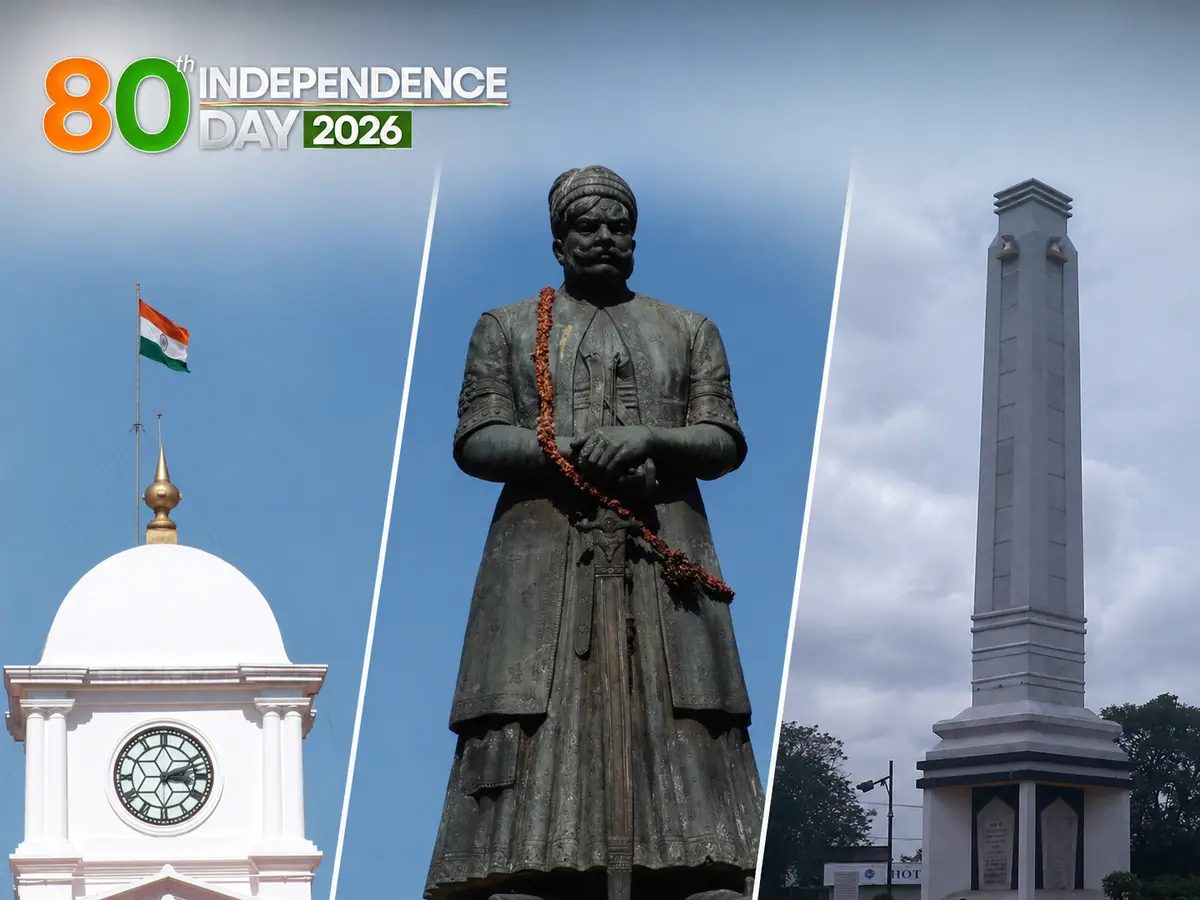
Long ago, before India became independent, many parts of the world, including India, were ruled by Britain.
In the area that is now called Kerala, many brave people fought to make their country free.
Some of them were kings, like Pazhassi Raja, who fought the British soldiers from the forests for many years.
Others were big officials, like Velu Thampi, who refused to give up and chose death instead of being caught.
Many ordinary people also joined protests and farmers' struggles against unfair rulers.
Sometimes soldiers fired at crowds, and peaceful people lost their lives.
Some protesters were hanged just because they wanted freedom.
Once, many prisoners were locked inside a closed train wagon with hardly any air, and most of them died.
Today, people remember these brave men and women and thank them on India's Independence Day.

Kerala Varma Pazhassi Raja, known as the Lion of Kerala, led a guerrilla war against the British East India Company from 1793 until his death in 1805.
Velu Thampi Dalawa, Dewan of Travancore, issued the Kundara Proclamation in January 1809 and took his own life rather than surrender to the British.
Eight demonstrators, including a woman named Kali, were killed when Travancore State Forces fired on protesters at Neyyattinkara on 31 August 1938.
Four young activists were hanged at Kannur Central Jail on 29 March 1943 for their role in the Kayyur peasant struggle of March 1941.
Kerala members of the INA's Penang group, including Vakkom Abdul Khader and Anandan, were hanged at Madras Jail in September 1943.
- Who
- Kerala's freedom fighters, including Pazhassi Raja, Velu Thampi Dalawa, and hundreds of ordinary peasants, labourers and activists from Travancore, Cochin, Malabar and surrounding regions, who died resisting British rule.
- What
- A remembrance of their martyrdoms, including guerrilla wars, the 1808-09 revolt, public protests, firings, hangings and the Wagon Tragedy, as part of Kerala's contribution to India's freedom struggle.
- Where
- Present-day Kerala, including Kottayam, Malabar, Wayanad, Travancore, Cochin, Kasaragod, Kannur and Neyyattinkara, as well as Madras Jail and the train route from Tirur to Podanur.
- When
- From the early 19th century (the Cotiote War, 1793-1805) through the nationalist, peasant and labour movements of the 1940s; reported in the run-up to India's Independence Day 2026.
- Why
- To oppose British East India Company and colonial rule, its revenue policies, interference in princely states, and autocratic princely administrations, and to win India's independence.
Key facts
- Subject
- Kerala's martyrs in India's freedom struggle, from Pazhassi Raja to commoners
- Pazhassi Raja
- Ruler of Kottayam; led the Cotiote War, 1793-1805; killed 30 November 1805 near Mavila Todu, Wayanad
- Velu Thampi Dalawa
- Dewan of Travancore; led the 1808-09 revolt against British Resident Colonel Colin Macaulay; Kundara Proclamation, 11 January 1809; died March 1809 at Mannadi
- Neyyattinkara firing
- 31 August 1938, after the arrest of NK Padmanabha Pillai of the Travancore State Congress; death toll of eight including a woman named Kali
- Kayyur struggle
- March 1941 uprising in present-day Kasaragod district; four activists hanged at Kannur Central Jail, 29 March 1943
- INA Penang group
- Kerala fighters tied to Netaji Subhas Chandra Bose's Indian National Army and Indian Independence League; four members, including Kerala's Vakkom Abdul Khader and Anandan, hanged at Madras Jail, 10 September 1943
- Wagon Tragedy
- November 1921; 70 Malabar Rebellion prisoners died in a closed goods wagon, most of them Mappila Muslims
- Paliyath Achan
- Key ally of Velu Thampi; surrendered and was exiled to Madras and later Benares, where he died in 1835
Sources
Related news
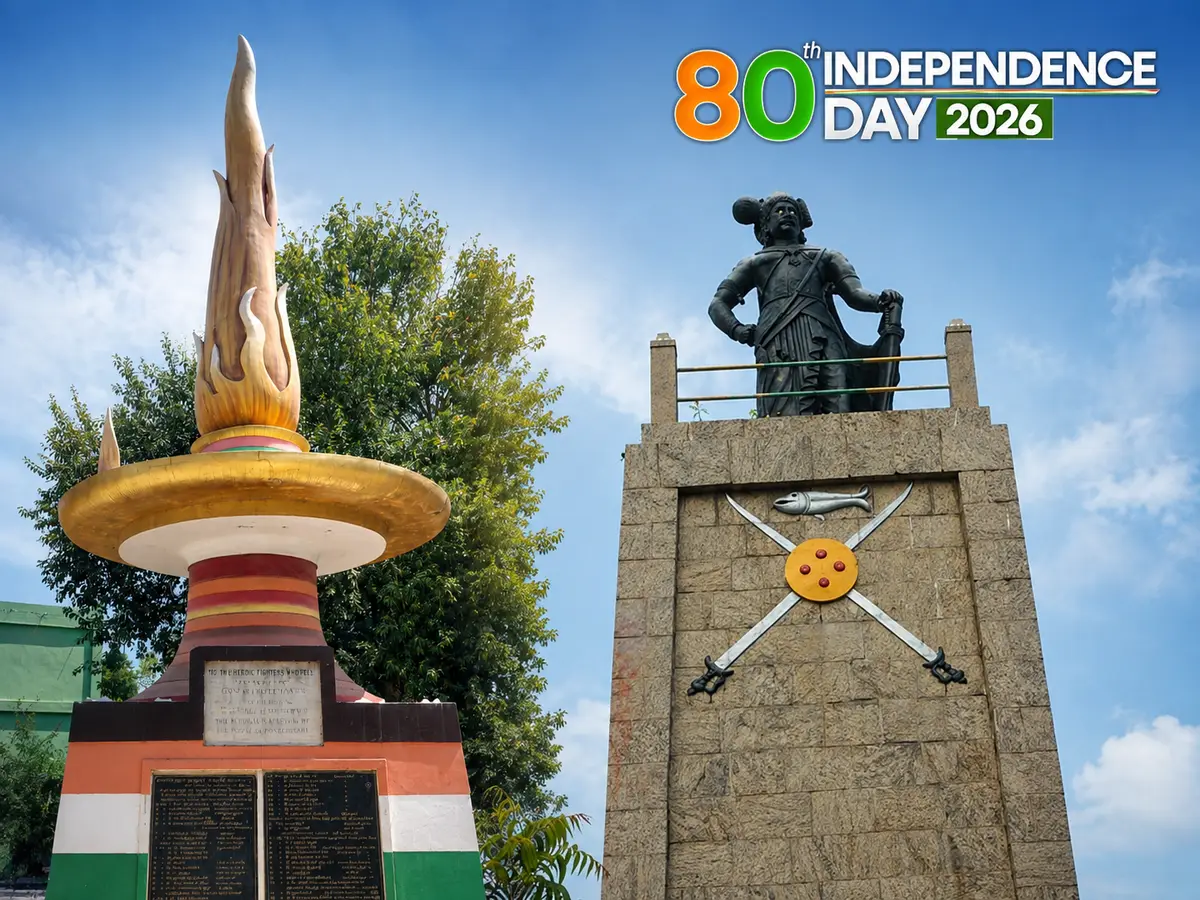
Tamil Nadu freedom fighters recalled from Kattabomman to Vellore Mutiny
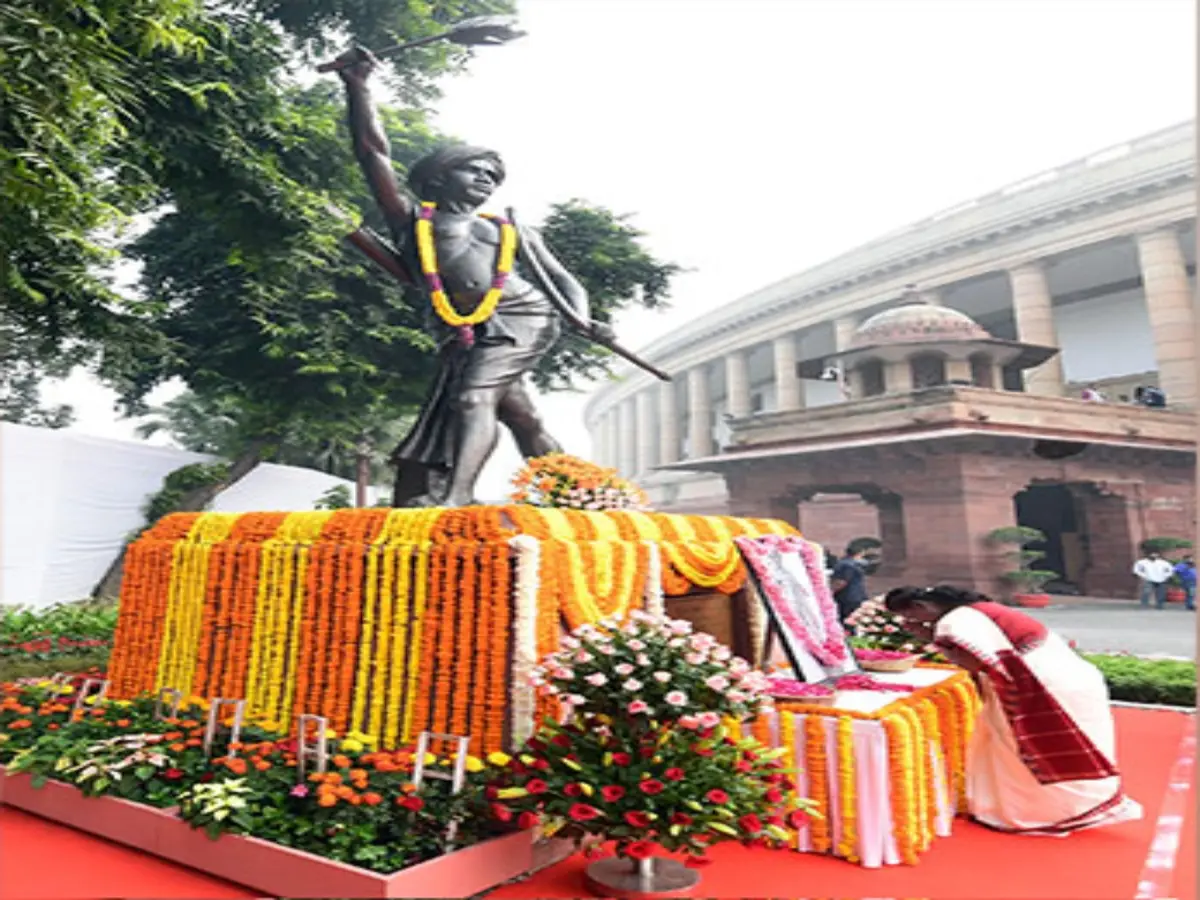
80th Independence Day honours India's unsung freedom fighters

Freedom Movement in Assam and Other Northeastern States
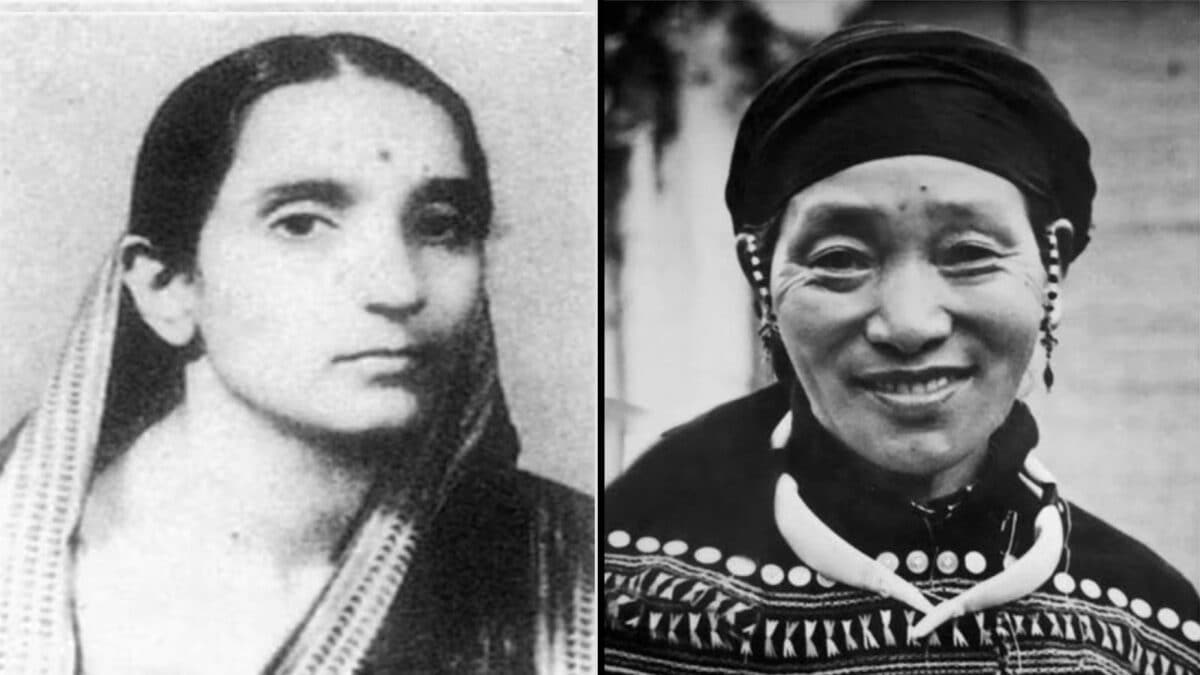
Independence Day 2026: Spotlighting Lesser-Known Women Freedom Fighters
Vice-President pays tributes to freedom fighters on 80th Independence Day
Rani Chennamma's 1824 Kittur Revolt Came Decades Before 1857 Uprising
Cash Seized Under Driver’s Seat In Kerala; Three Arrested

BJP Accuses Congress of Anti-Dalit Politics, Targets Rahul Gandhi
Irulam Creates Giant Onam Pookkalam Honoring Beloved Wild Elephant
PC Musthafa’s Journey From ₹10 a Day to ₹681 Crore

Kerala Monsoon Rainfall 23 Percent Below Normal: IMD
