2 weeks ago
Nepal May Have Lost Original 1816 Sugauli Treaty Documents
A very long time ago, in 1816, Nepal and the British East India Company signed an important paper called the Sugauli Treaty.
It ended a war and helped draw the lines of Nepal's border with India.
Recently, Nepal's foreign minister told lawmakers that the government is not sure whether it still has the original copy of this paper.
People looked through the national archives but could not find the original signed version.
Some copies and related records are still kept safely.
The treaty is still important today because some parts of the Nepal-India border are disputed.
Under the treaty, Nepal had to give up some land, but it stayed a free and independent country.
Not finding the original paper does not erase history, because copies and records still exist.
Still, many people think such important documents should be kept safe so that everyone can remember what was agreed.

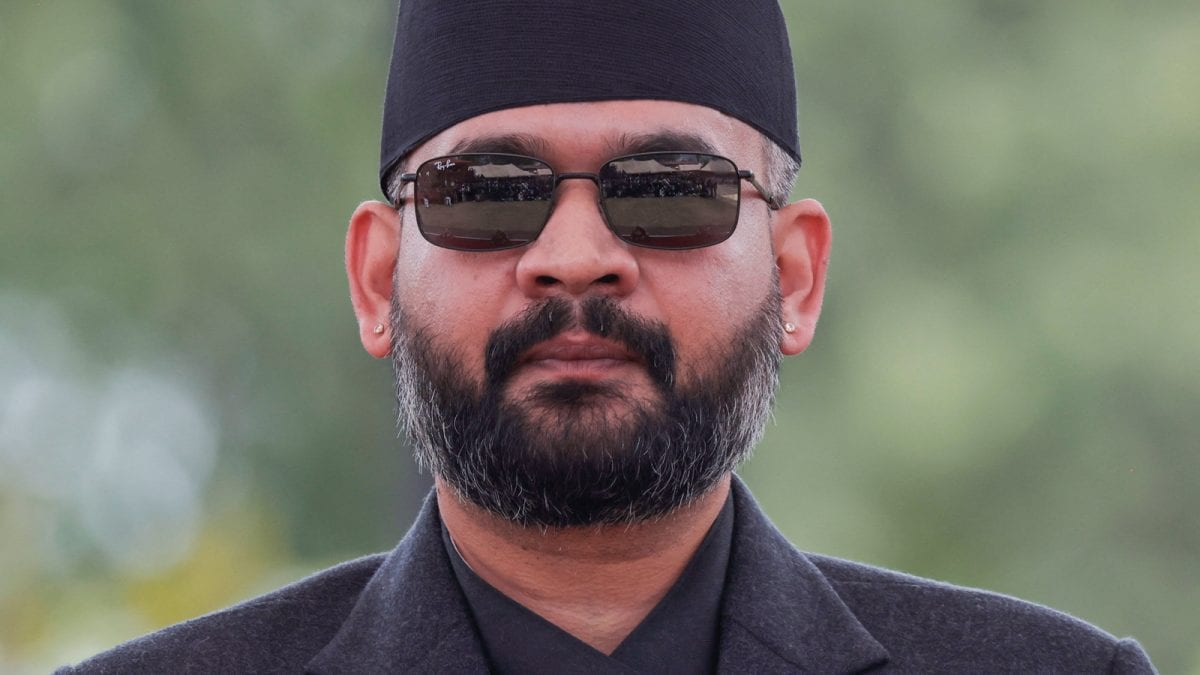
Nepal's Foreign Minister Shisir Khanal said the government cannot confirm whether it still possesses the original signed copy of the 1816 Sugauli Treaty, which defined the border with India.
The Sugauli Treaty, signed between the Kingdom of Nepal and the British East India Company, formally ended the Anglo-Nepalese War of 1814-1816 that followed Nepal's expansion under the Gorkha Kingdom.
The original document could not be located, though some related records and copies are preserved in Nepal's National Archives.
Under the treaty, Nepal ceded territories such as Kumaon, Garhwal and parts of the Terai but retained its independence as a kingdom.
The treaty, which established the Kali River boundary, continues to be cited in India-Nepal border disputes including Kalapani-Limpiyadhura and Susta.
- Who
- Nepal's Foreign Minister Shisir Khanal disclosed the possible loss in the House of Representatives; the treaty was signed between the Kingdom of Nepal and the British East India Company.
- What
- Nepal may have lost the original documents of the 1816 Sugauli Treaty that helped define its border with India.
- Where
- Announced in Nepal's House of Representatives; the treaty itself was signed at Sugauli.
- When
- The disclosure was made on August 13, 2026; the treaty was initialled at Sugauli in December 1815 and formally ratified on March 4, 1816.
- Why
- Authorities have been unable to locate the original document, so the government cannot confirm whether it still possesses the original signed copy.
Nepal's Position
India's Position
Kali River source and the Kalapani-Limpiyadhura boundary
Nepal's Position
Nepal argues the Kali River originates at Limpiyadhura, which would place Kalapani, Lipulekh and surrounding areas on the Nepali side.
India's Position
India maintains a different interpretation of the river's origin and of where the boundary lies.
Impact of losing the original treaty document
Nepal's Position
The disclosure raises questions about the preservation of one of Nepal's most important historical documents, which is still cited in border discussions.
India's Position
Claims of 'loss' should be treated carefully; copies, archival records and references exist in different historical collections, so the treaty can still be established historically.
Key facts
- Treaty
- Sugauli Treaty (1816)
- Parties
- Kingdom of Nepal and British East India Company
- Outcome
- Ended the Anglo-Nepalese War of 1814-1816 and defined Nepal's borders
- Signing dates
- Initialled at Sugauli in December 1815; formally ratified March 4, 1816
- Status of original
- Could not be located; Nepal cannot confirm it still holds the original signed copy
- Archived records
- Some related records and copies preserved in Nepal's National Archives
- Key provisions
- Ceded Kumaon, Garhwal, parts of the Terai and territories taken from Sikkim; British Resident stationed in Kathmandu
- Related border disputes
- Kalapani-Limpiyadhura and Susta
Quotes
Foreign Minister Shisir Khanal
Foreign Minister of Nepal
“"The government could not confirm whether it still possesses the original signed copy of the treaty."”
 news18.com
Sources
Related news

Nepal Unsure If 120-Year-Old Treaty Documents With India Exist

Nepal Minister Downplays India Border Dispute, Urges Regular Talks
Nepal, India set three-year target to map border land occupation

India-Nepal Talks Target Border Disputes and Lipulekh Trade

India-Nepal army chiefs discuss defence ties; Gorkha recruitment unclear
India, Nepal Agree Drone Mapping Amid Dasgaja Border Row

Uttarakhand CM Dhami Promises Action on Kumaon Traders’ Concerns

Nanda Devi Fair Brings Religious and Cultural Celebrations to Almora

Railways approve Achhnera-Tanakpur Express halt at Banbasa station

Uttarakhand CEO directs home hearings for elderly, differently-abled voters