

3 weeks ago
Oil Prices Rise 1% as Strait of Hormuz Reopening Uncertain
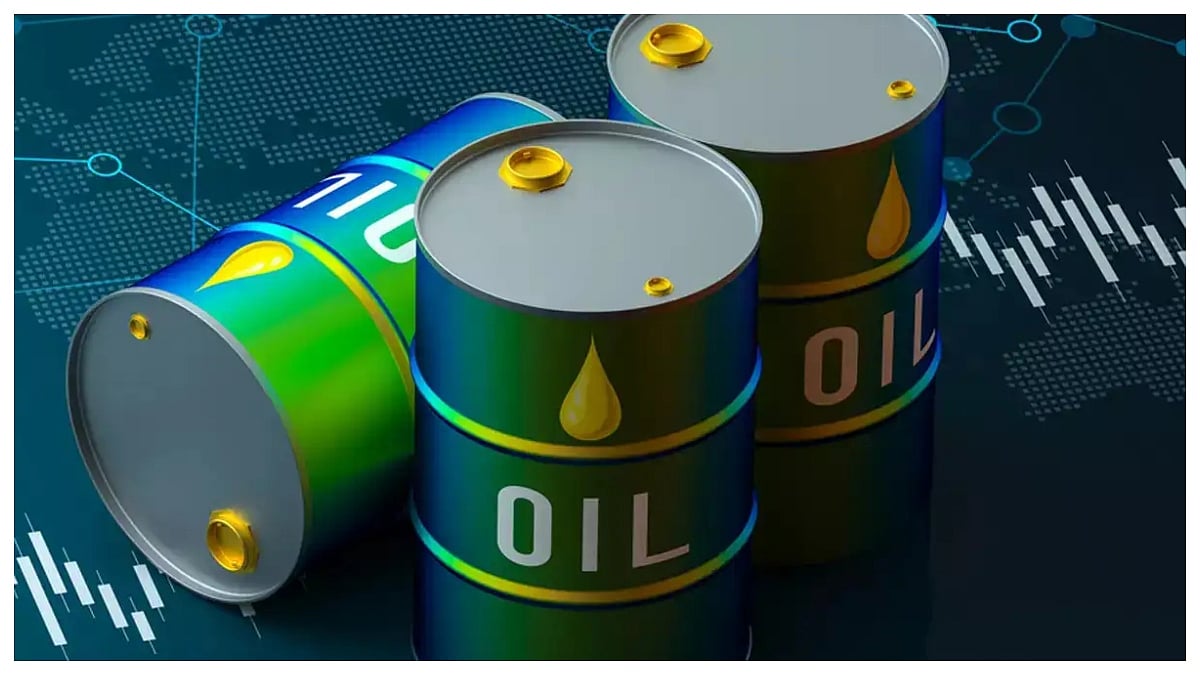
Oil is a very important fuel that many countries need.
A lot of the world's oil travels through a narrow waterway called the Strait of Hormuz.
On Monday, the price of oil went up by more than one percent.
That happened because people are not sure when the Strait of Hormuz will reopen for ships.
Last week, prices had dropped because people hoped Iran and Oman would make a deal.
Iran's foreign minister, Abbas Araqchi, said the deal is in its final stages.
But the new shipping routes will only open if the United States agrees to Iran's conditions, like removing sanctions.
Iran and the United States are not talking directly right now, so no one knows when the routes will open.
Meanwhile, Houthi rebels attacked an oil refinery in Saudi Arabia and a fire broke out.
The fire was put out and nobody was hurt, but it made people worry more about oil shipments.

Oil prices rose more than 1% on Monday, with Brent crude up 1.32% to $84.65 a barrel and WTI up 1.04% to $78.99.
Last week both benchmarks fell more than 7% as markets anticipated an Iran-Oman agreement to restore shipping in the Strait of Hormuz.
Iranian Foreign Minister Abbas Araqchi said the Iran-Oman agreement has reached its 'final stages' and would create new shipping routes.
Iran said new routes depend on US compliance with its conditions, including compensation, removal of sanctions and an end to US military threats; no direct Iran-US talks are taking place.
Houthi rebels claimed an attack on Saudi Aramco's Jazan refinery, and Saudi Arabia confirmed a fire was extinguished with no reported injuries.
- Who
- Iran, Oman, the United States and Saudi Arabia, with Iran's Foreign Minister Abbas Araqchi and Houthi rebels as key actors.
- What
- Oil prices rose more than 1% amid uncertainty over reopening the Strait of Hormuz and attacks on regional oil infrastructure.
- Where
- The Strait of Hormuz, as well as Saudi Arabia's Jazan refinery, the Red Sea and the Gulf of Aden.
- When
- Monday, following a decline of more than 7% in both benchmarks last week.
- Why
- Markets worry about the security of oil shipments because the Strait of Hormuz's reopening depends on unresolved US-Iran conditions and regional attacks continue.
Iran's Position
US Position
Strait of Hormuz reopening conditions
Iran's Position
Iran says new shipping routes will operate only after the United States meets its conditions, including compensation, removal of sanctions and an end to US military threats, and that Tehran will not negotiate directly while Washington violates an interim agreement signed in June.
US Position
The United States has not entered direct talks with Iran, and the reopening of the waterway has not been secured; communications are instead being conducted through intermediaries.
Key facts
- Brent crude price (Monday)
- $84.65 a barrel, up 1.32%
- WTI crude price (Monday)
- $78.99 a barrel, up 1.04%
- Last week's decline
- Both benchmarks fell more than 7%
- Strait of Hormuz oil share
- About one-fifth of the world's oil before the conflict
- Iran's conditions for reopening
- Compensation, removal of sanctions, end to US military threats
- Iran-US diplomacy
- No direct talks; communication through intermediaries
- Saudi refinery incident
- Fire at Saudi Aramco's Jazan refinery; extinguished, no injuries
Quotes
Abbas Araqchi
Iranian Foreign Minister
“"The agreement with Oman has reached its final stages."”
 freepressjournal.in
Sources
Related news
Oil prices climb to $83 as Hormuz deal stalls
Oil prices rise as US-Iran talks stall over Hormuz
Oil Prices Slide as Hormuz Reopening Eases Supply Fears

Oil Prices Surge Above $90 as US-Iran Tensions Escalate

Oil Prices Slip as Iran-Oman Talks Raise US-Iran Peace Hopes

Oil Prices Rise Fourth Day as Hormuz Fears Grow

Iran Seizes Fuel-Smuggling Vessel in Gulf, Arrests 11 Crew
Trump Floats Renaming Strait of Hormuz as “Trump Strait”

Chevron Plans $7 Billion Venezuela Expansion Amid U.S. Oil Push
Saudi Tanker Hit in Hormuz, Killing Two Filipino Sailors

Indian Stocks Extend Three-Day Losing Streak as Oil Rises
