2 weeks ago
98 killed in Himachal monsoon road accidents; Chamba, Sirmaur worst-hit
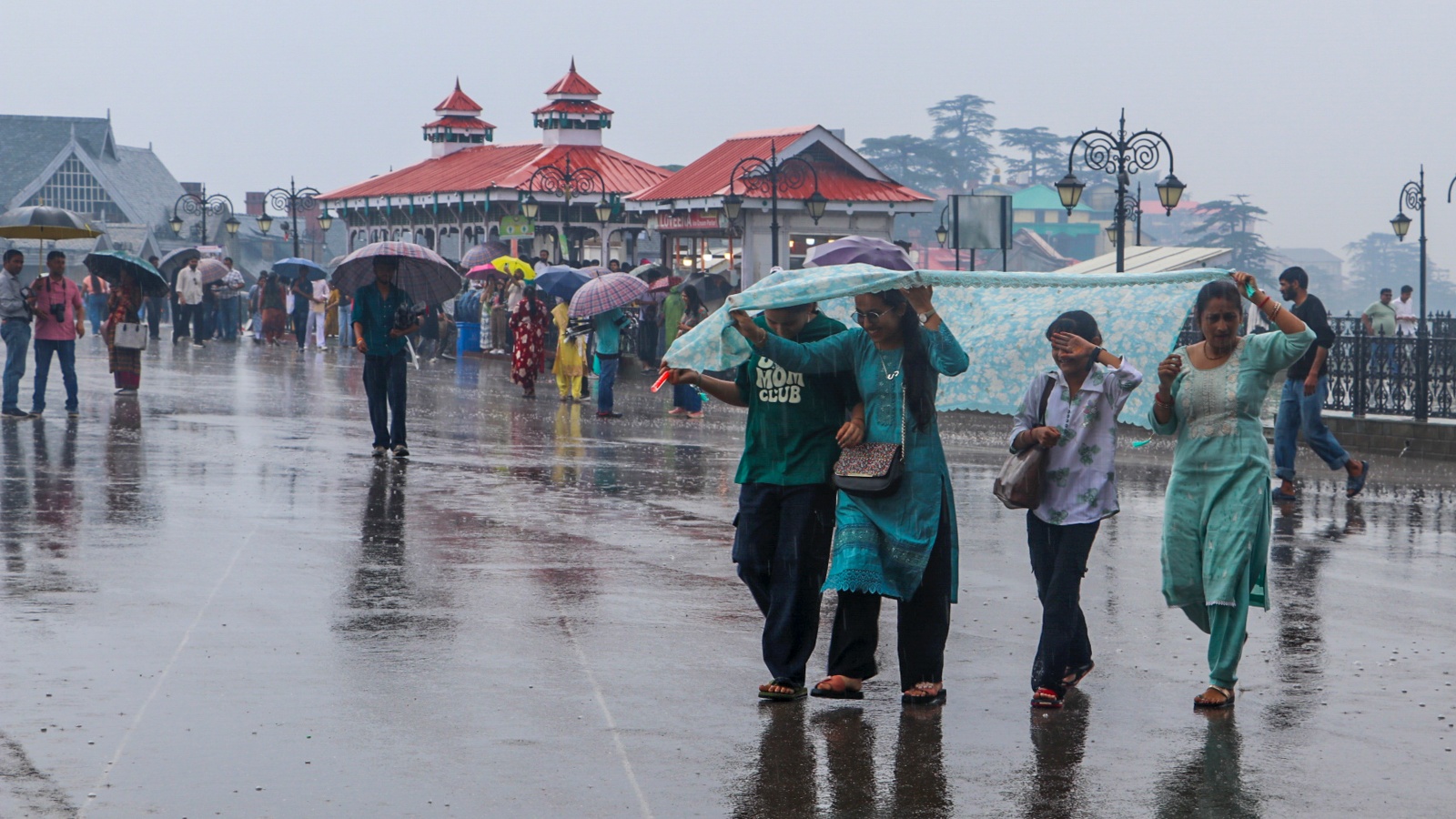
Every year, heavy rain comes to a beautiful mountain region in India called Himachal Pradesh.
Rain makes the mountains loose, and big rocks can fall onto the roads below.
Between the end of June and the middle of August, 98 people sadly died in road accidents there.
Most accidents happened because rocks fell on cars, roads were slippery or damaged, weather was bad, or drivers made mistakes.
A district called Chamba had many accidents, and so did Sirmaur.
In one accident, a huge rock crashed through the roof of a car and hurt a traveler.
In another, a bus rolled down a steep hill and eight people lost their lives.
Police and experts are trying to make roads safer by adding barriers and fixing dangerous spots.
Some experts even want to change a rule about seatbelts, because in the mountains people may need to get out of cars very quickly when rocks start falling.
Making roads safer will help families travel without fear.

Ninety-eight people died in road accidents in Himachal Pradesh between June 30 and August 12, according to Himachal Pradesh Traffic Police data.
Falling boulders, shooting stones, poor road conditions, adverse weather and human error were the main causes cited.
Chamba and Sirmaur recorded the highest fatalities, with 16 deaths each.
On August 8, eight people were killed and 10 injured when a private bus rolled down a steep slope in Chamba.
A senior police officer said 519 accident-prone black spots were identified in Himachal, of which around 310 were rectified.
- Who
- Travelers, pilgrims and residents on Himachal Pradesh's mountain roads, including a Punjab pilgrim, a 63-year-old Shimla resident, and tourists from Gujarat
- What
- A series of monsoon road accidents killed 98 people, driven by falling boulders, shooting stones, poor road conditions, adverse weather and human error
- Where
- Himachal Pradesh, India, with the highest fatalities in Chamba and Sirmaur districts and accidents also in Solan
- When
- Between June 30 and August 12 during the monsoon season
- Why
- Falling boulders, shooting stones, low visibility, poor road conditions, adverse monsoon weather and human negligence
Adapt seatbelt rules for hilly terrain
Keep uniform seatbelt mandate
Seatbelt requirement in hilly states
Adapt seatbelt rules for hilly terrain
Indian Road Congress member Jaswant Singh urged an expert committee to review Section 194B of the Motor Vehicles Act for hilly states, arguing seatbelts can trap occupants who need to exit vehicles quickly during landslides or rockfalls.
Keep uniform seatbelt mandate
Section 194B currently mandates seatbelts for all four-wheeler drivers and passengers, reflecting the general safety principle that seatbelts protect occupants in crashes.
Responsibility for preventing monsoon accidents
Adapt seatbelt rules for hilly terrain
Some experts argue Forest, Revenue and Public Works departments should check road vulnerability in advance, saying commuters cannot be expected to rule out falling boulders.
Keep uniform seatbelt mandate
Police officials cite human negligence and mechanical faults in vehicles as frequent causes of accidents, suggesting driver behaviour and vehicle condition also share responsibility.
Key facts
- Fatalities
- 98 people killed between June 30 and August 12
- Worst-hit districts
- Chamba and Sirmaur — 16 deaths each
- Main causes
- Falling boulders, shooting stones, poor road conditions, adverse weather, human error
- August 8 accident
- Private bus rolled down a steep slope near Chaluj Morh, Chamba — 8 killed, 10 injured
- August 5 accident
- Punjab pilgrim killed when a boulder crashed through an SUV's sunroof on the Chamba-Bharmour road
- Black spots
- 519 identified in Himachal; around 310 rectified
- Vulnerable stretches
- 1,643 identified; 1,089 addressed; remedial work pending at 554 locations
- 2025 monsoon comparison
- 189 fatal casualties recorded between June 30 and September 15
Quotes
Vijay Kumar Saklani
Superintendent of Police, Chamba
“"We have been analysing each fatal road accident. In many parts of our districts, including Sangrah and Haripurdhar, which are at a height, and even Majra, which is in a plain area, reasons vary. In the upper areas, we found a shortage of concrete or iron‑made crash‑breaker parapets. In areas like Majra, there is a need for speed barriers at a specific distance. We have written about these things to the NHAI and Himachal Pradesh PWD as well."”
 indianexpress.com
“"If you analyse the nature of road accidents especially being reported during monsoon, the most recorded reasons are falling of boulders, stone‑shooting, low visibility, poor road conditions, adverse climate conditions and human negligence. I believe some of these reasons could be improved by coordinating with the Forest, Revenue and Public Works departments."”
indianexpress.com
Sources
Related news

7 Dead, 11 Injured After Bus Overturns in Himachal's Chamba
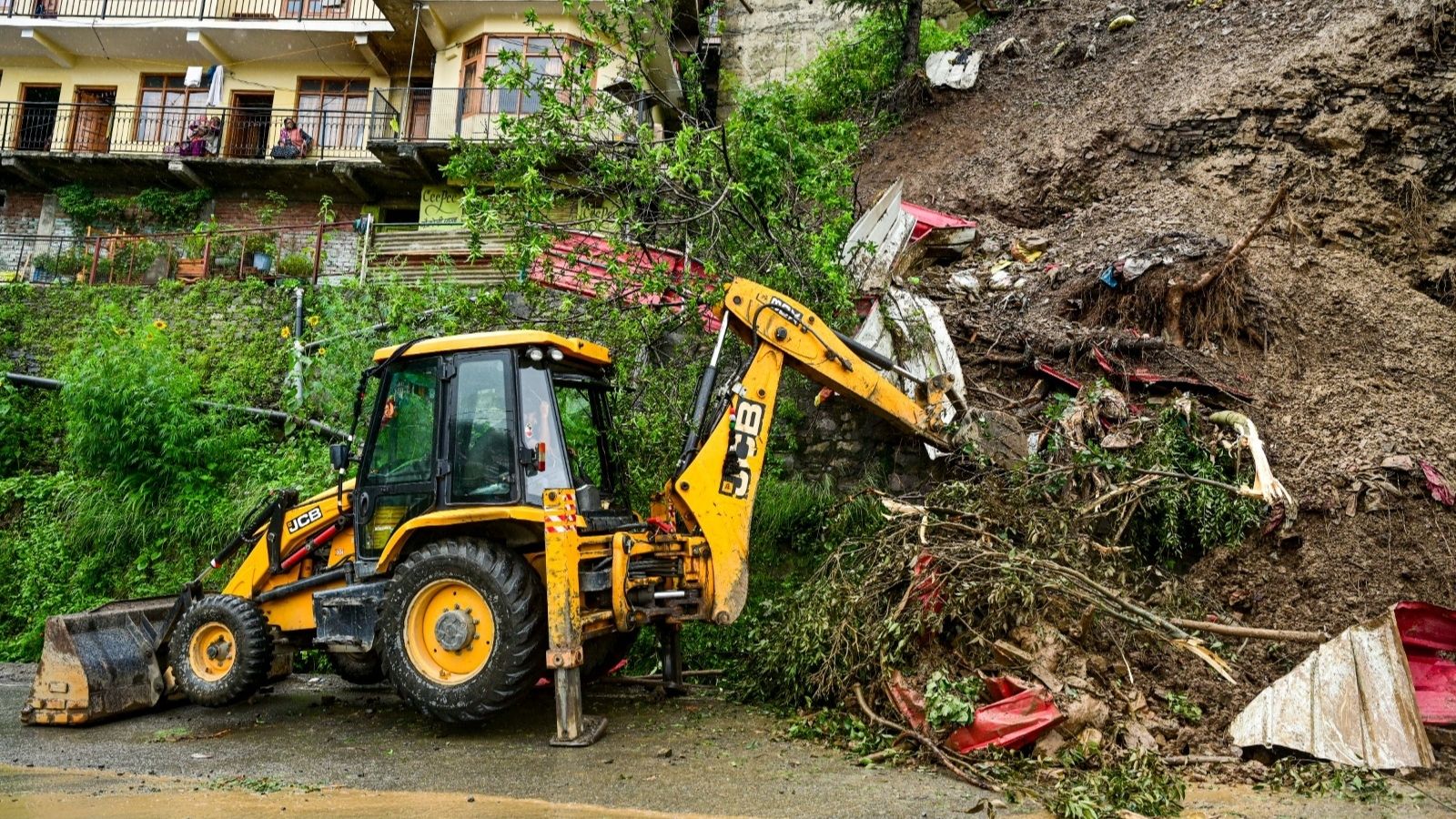
Himachal Monsoon Claims 224 Lives, Blocks 149 Roads

Bus narrowly escapes landslide as 114 Himachal roads close

Himachal Rain Death Toll Hits 64, 145 Roads Shut
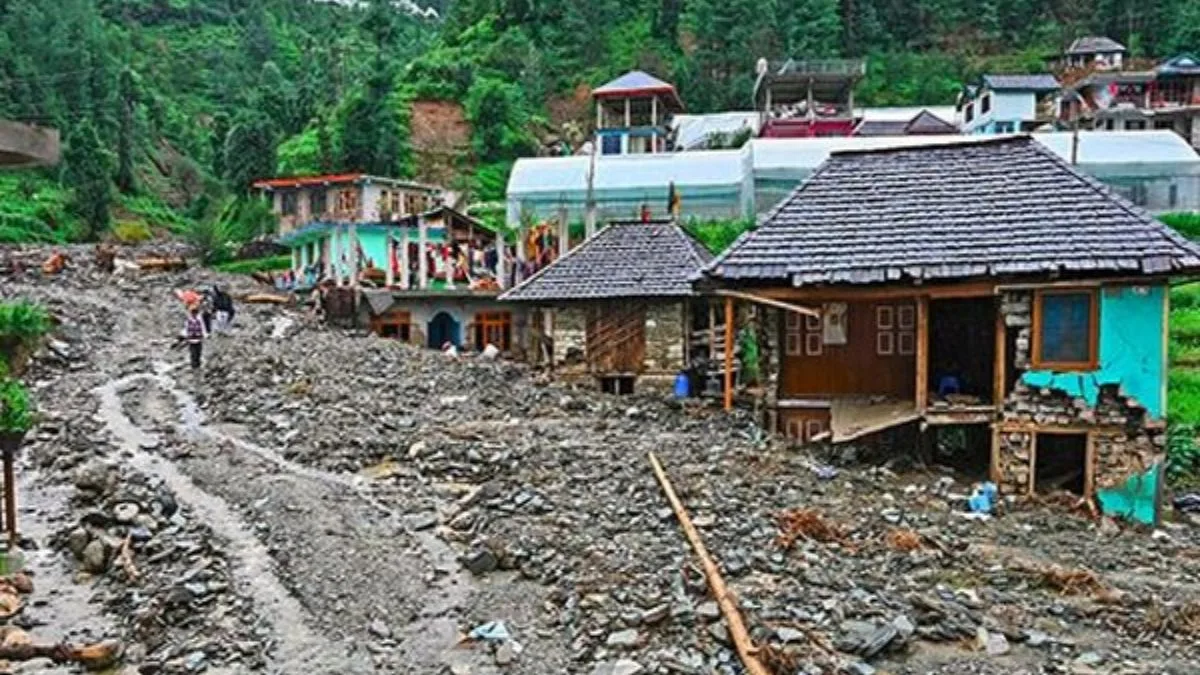
Himachal Monsoon Claims 163 Lives, Blocks 204 Roads
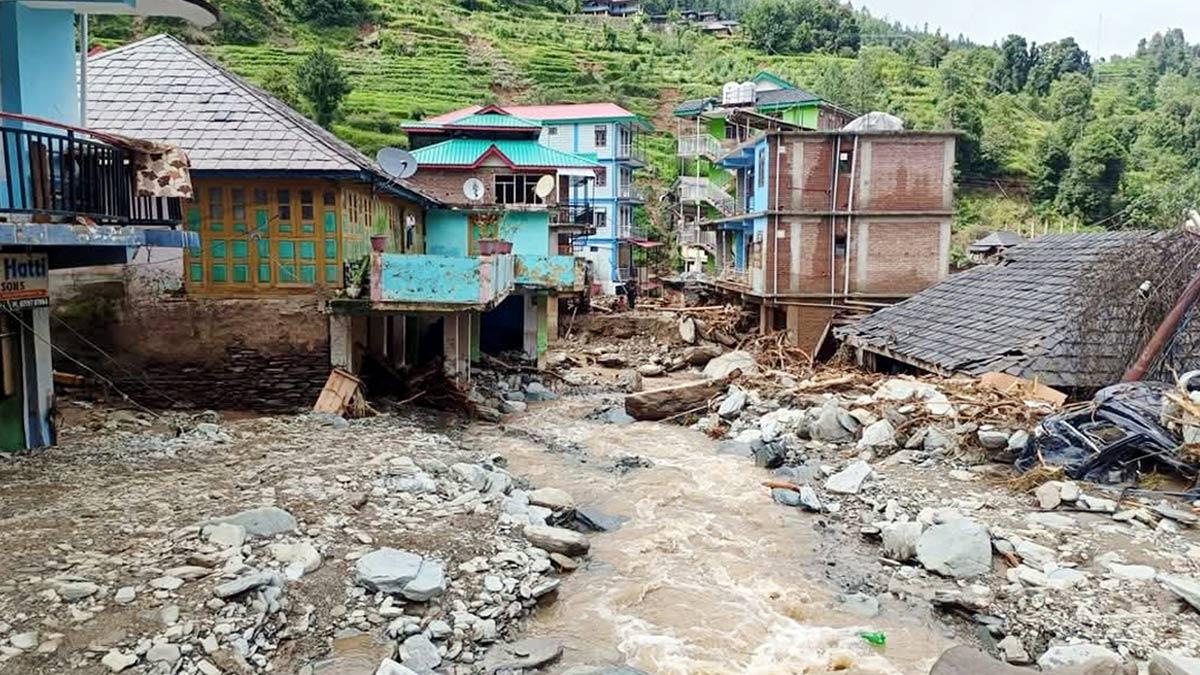
Himachal Rain Fury: One Dead, Over 300 Roads Shut
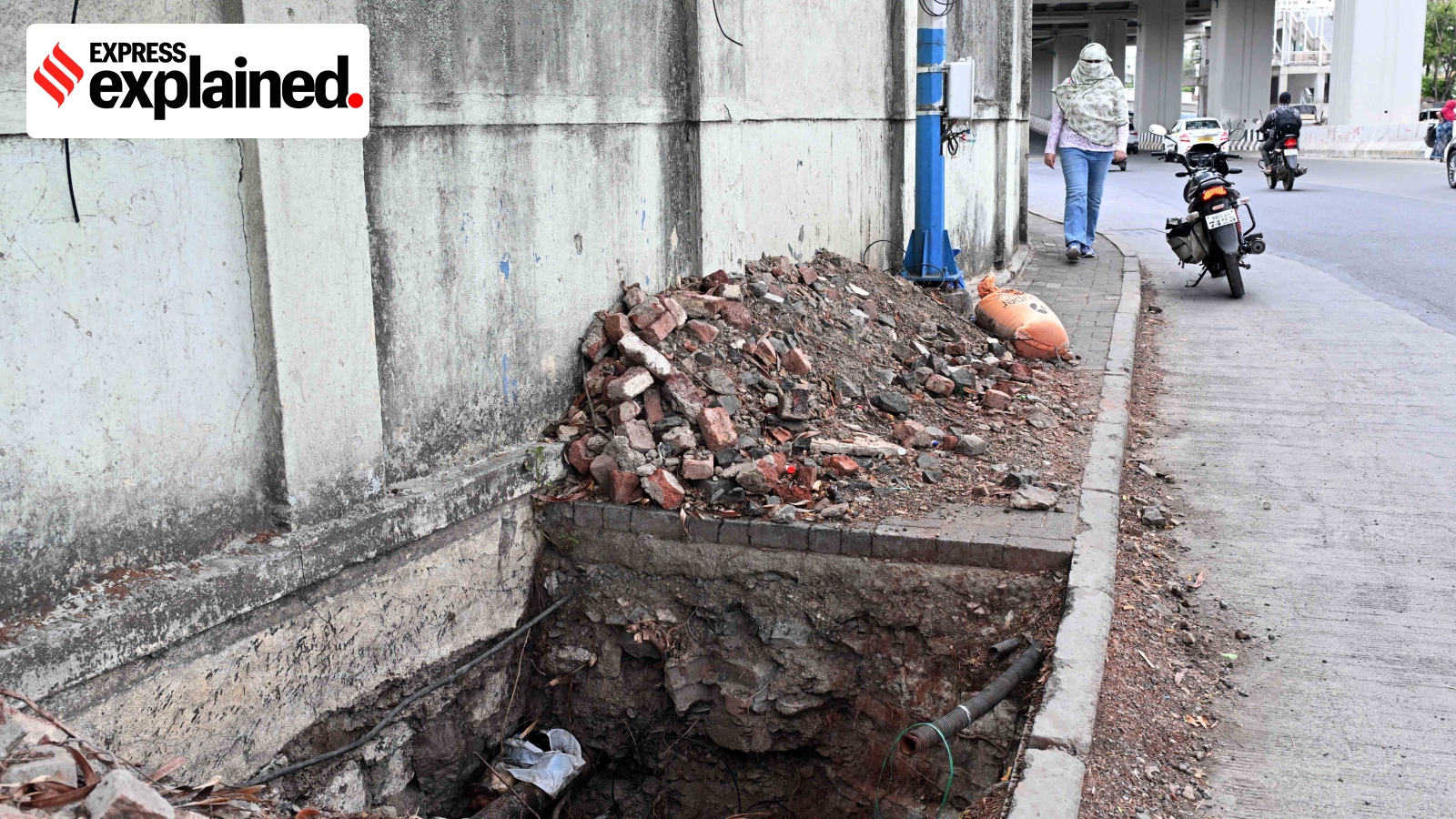
Andhra Pradesh's Pioneering Pedestrian Safety Policy Targets Safer Footpaths

Ujjain's Teen Batti Chauraha to Undergo Major Traffic Revamp
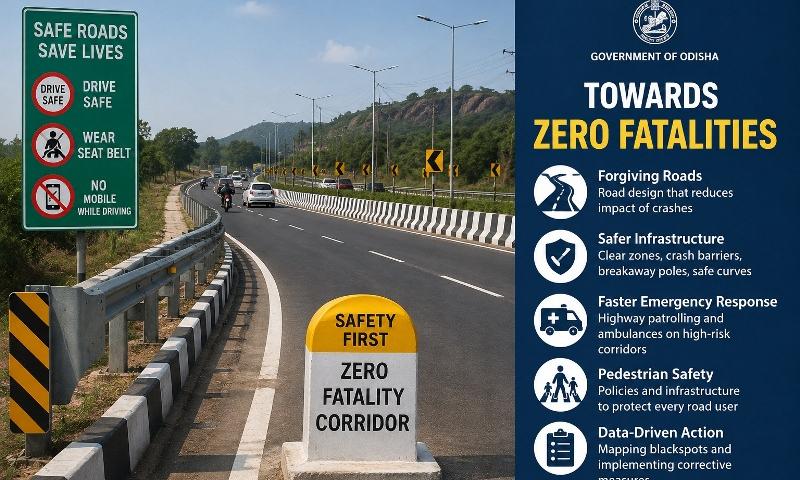
Odisha Plans Zero-Fatality Corridors, Forgiving Roads to Cut Deaths

Indian Roads Congress Focuses on Research and Practical Road Engineering