

3 days ago
Modi, Uzbekistan Leader Agree to Deepen Trade, Minerals Cooperation
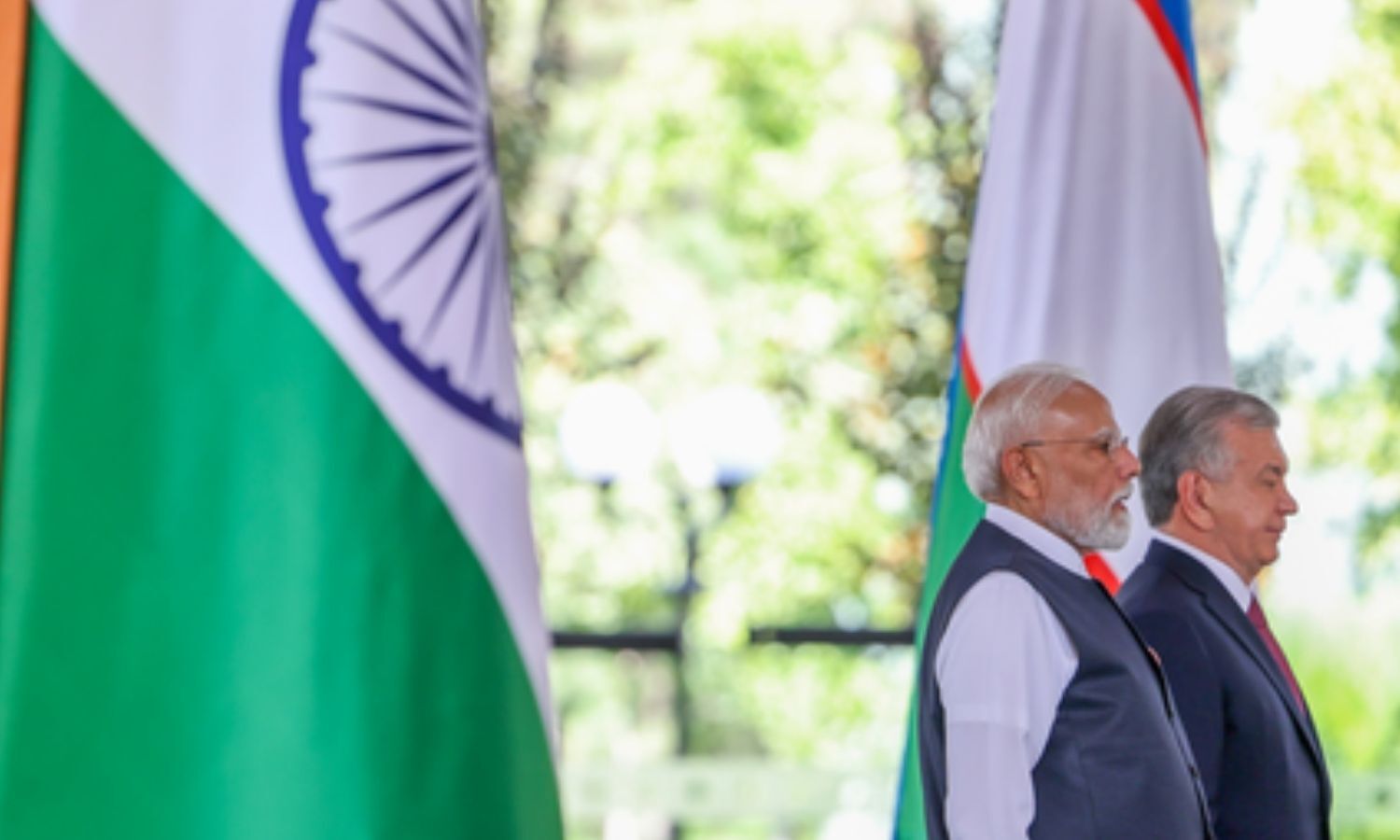
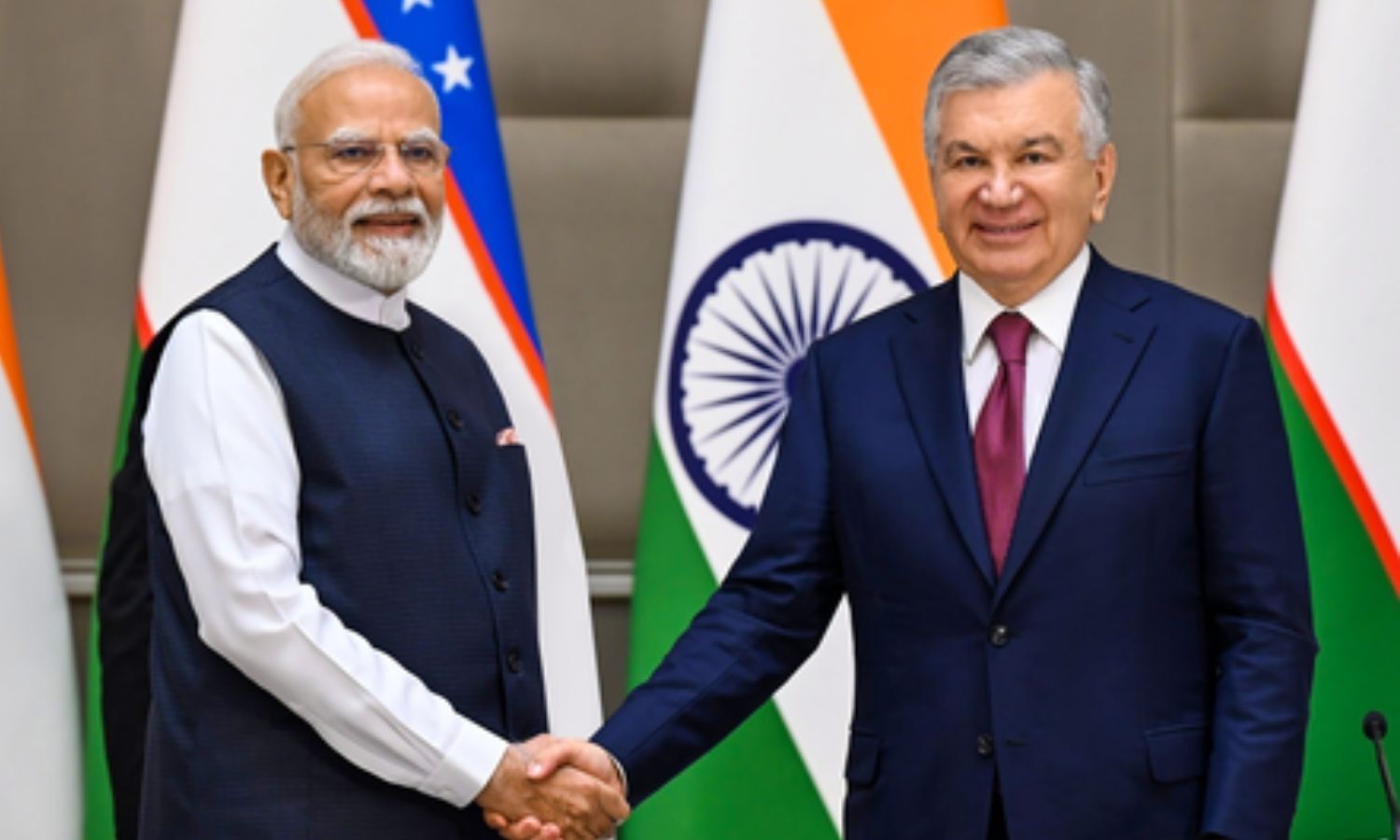
India’s Prime Minister Narendra Modi met Uzbekistan’s President Shavkat Mirziyoyev in Tashkent.
They agreed to work more closely on trade and investment.
They want to sell more products to each other, including medicines, cars, machines, and electrical goods.
The countries also plan to cooperate on important minerals used in industry and technology.
They discussed renewable energy, nuclear energy, farming, transportation, and online trade.
India and Uzbekistan will also share experience on artificial intelligence and peaceful uses of space.
They agreed to make it easier for businesses to invest and trade.
The leaders also promised to work together against terrorism, organized crime, drugs, and cyber threats.
A foreign-ministers-led mechanism will help monitor and coordinate these agreements.

India and Uzbekistan agreed to expand trade and investment, especially in electrical goods, engineering, automobiles, and pharmaceuticals.
The countries will pursue joint projects in critical minerals, including exploration, mining, processing, recycling, and value-added production.
The leaders welcomed cooperation in renewable energy, nuclear energy, agriculture, transport connectivity, e-commerce, and digital trade.
India and Uzbekistan agreed to strengthen cooperation on artificial intelligence, peaceful space activities, and environmentally friendly public transport.
They condemned terrorism and pledged closer law-enforcement, intelligence, defense, and security cooperation, including action against terrorist financing.
- Who
- Indian Prime Minister Narendra Modi and Uzbek President Shavkat Mirziyoyev.
- What
- They agreed to deepen bilateral trade, investment, minerals, energy, technology, agriculture, connectivity, and security cooperation.
- Where
- Tashkent, Uzbekistan, including talks at the Presidential Palace and Kuksaroy Residence.
- When
- Sunday, during Modi’s state visit to Uzbekistan.
- Why
- To expand economic and strategic cooperation, increase trade and investment, develop joint projects, and address shared security challenges.
Key facts
- Critical minerals
- Joint work will cover geological exploration, mining, mineral processing, value-added products, integrated value chains, and recycling.
- Trade sectors
- Electrical items, engineering products, automobiles, and pharmaceuticals were identified as sectors with strong potential.
- Business facilitation
- The countries agreed to identify investment opportunities and establish a mechanism to address investors’ concerns and improve ease of doing business.
- Energy cooperation
- The leaders welcomed cooperation on renewable energy, energy-infrastructure modernisation, and peaceful uses of nuclear energy.
- Digital cooperation
- They supported e-commerce, digital trade procedures, platforms for small and medium-sized enterprises, and safe and trustworthy artificial intelligence.
- Connectivity
- The countries will pursue multimodal transport routes and logistics corridors to improve the movement of goods.
- Coordination mechanism
- A foreign-ministers-led mechanism will oversee implementation of bilateral agreements and priority projects.
Quotes
Press Service of the Uzbekistan President
Official presidential press service reporting on the leaders’ talks.
“Leaders called for concerted actions against terrorist entities and for disrupting terrorism financing networks, safe havens and infrastructure. Leaders stressed that those responsible for terrorism should be held accountable and their perpetrators, their backers, facilitators and affiliates should be brought to justice”
 thehansindia.com
“They also expressed interest in encouraging Indian companies to participate in the development of prospective mineral deposits in Uzbekistan and Uzbek enterprises for joint collaboration in India. The Leaders expressed interest in extended cooperation in peaceful uses of nuclear energy”
thehansindia.com
Sources
Related news

India, Uzbekistan Elevate Ties, Target $5 Billion Trade by 2030

India, Uzbekistan Set $5 Billion Trade Target by 2030
India and Uzbekistan Elevate Ties, Target $5 Billion Trade
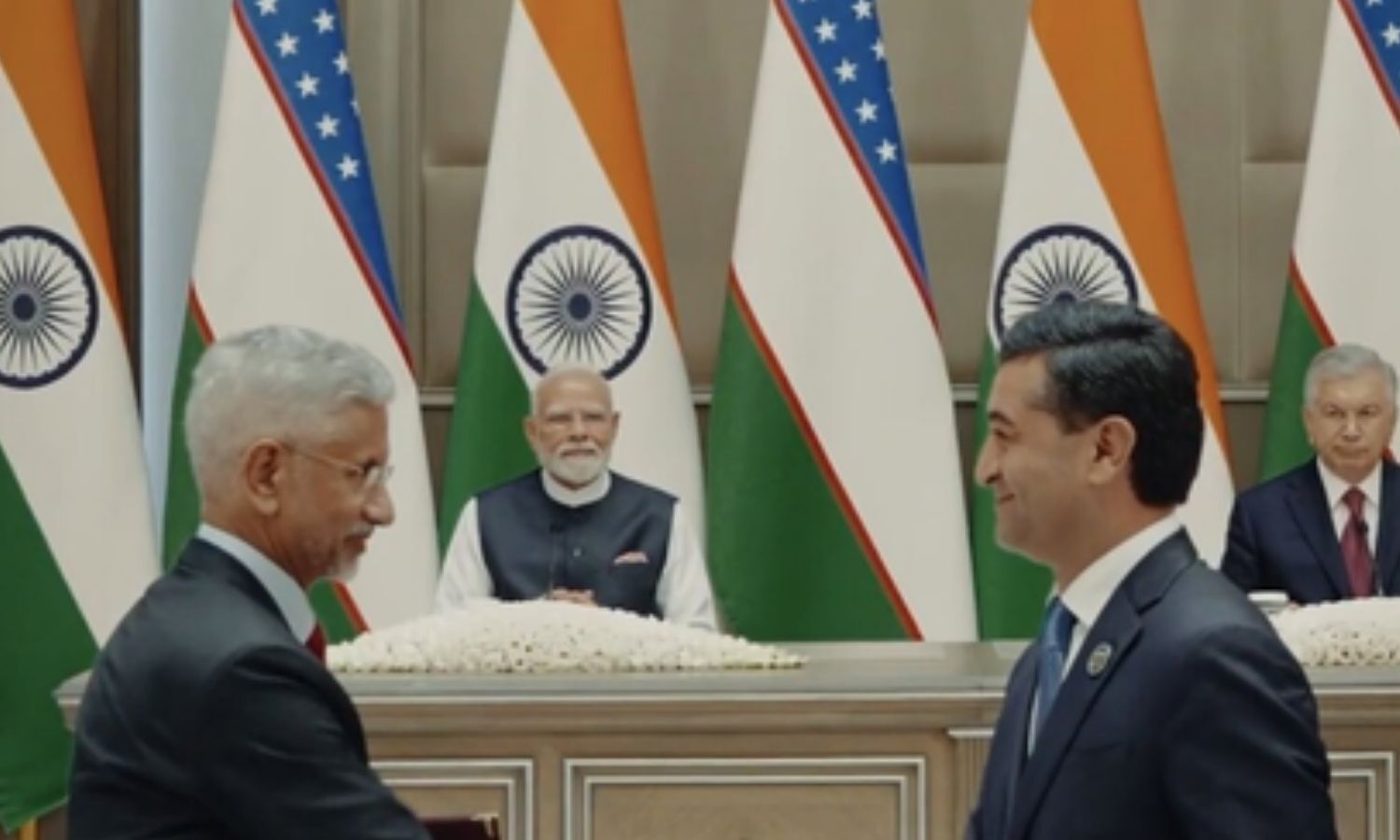
India and Uzbekistan Sign Documents to Expand Strategic Partnership
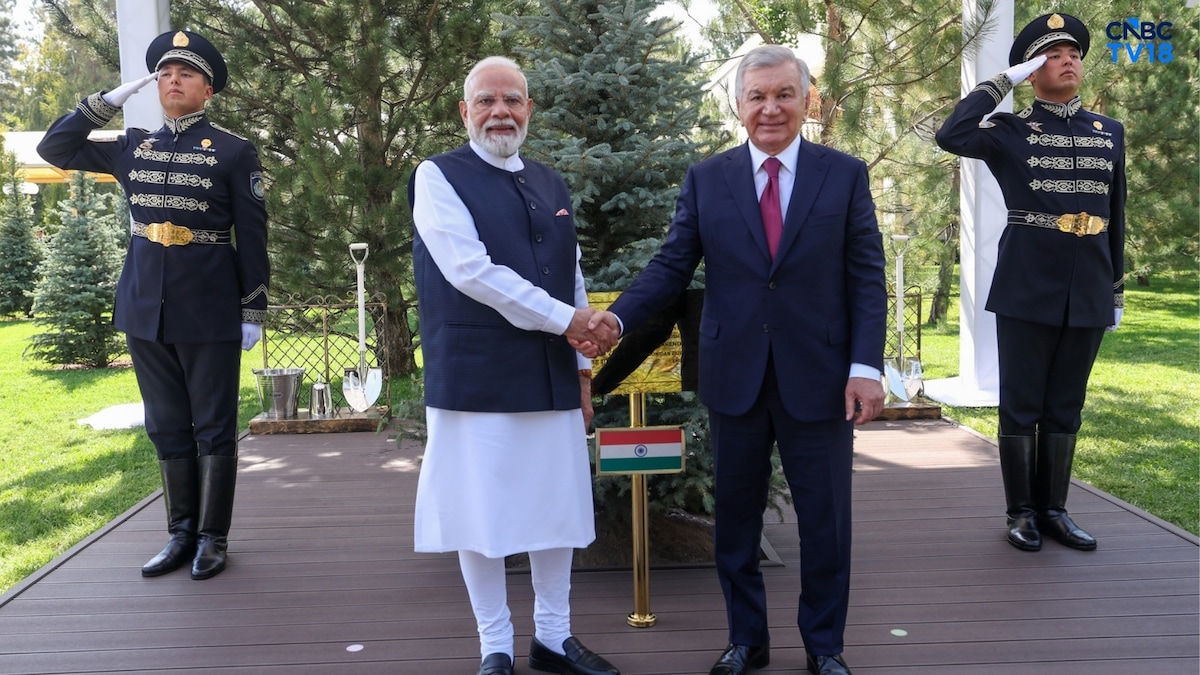
India, Uzbekistan Advance Strategic Partnership With Uranium Arrangement

Modi’s Uzbekistan Visit Targets Deeper Ties and $3 Billion Trade

GDP Row Escalates as Government Rebuts 2.6% Growth Claim

India’s Avocado Boom Turns Luxury Fruit into Farmer Opportunity
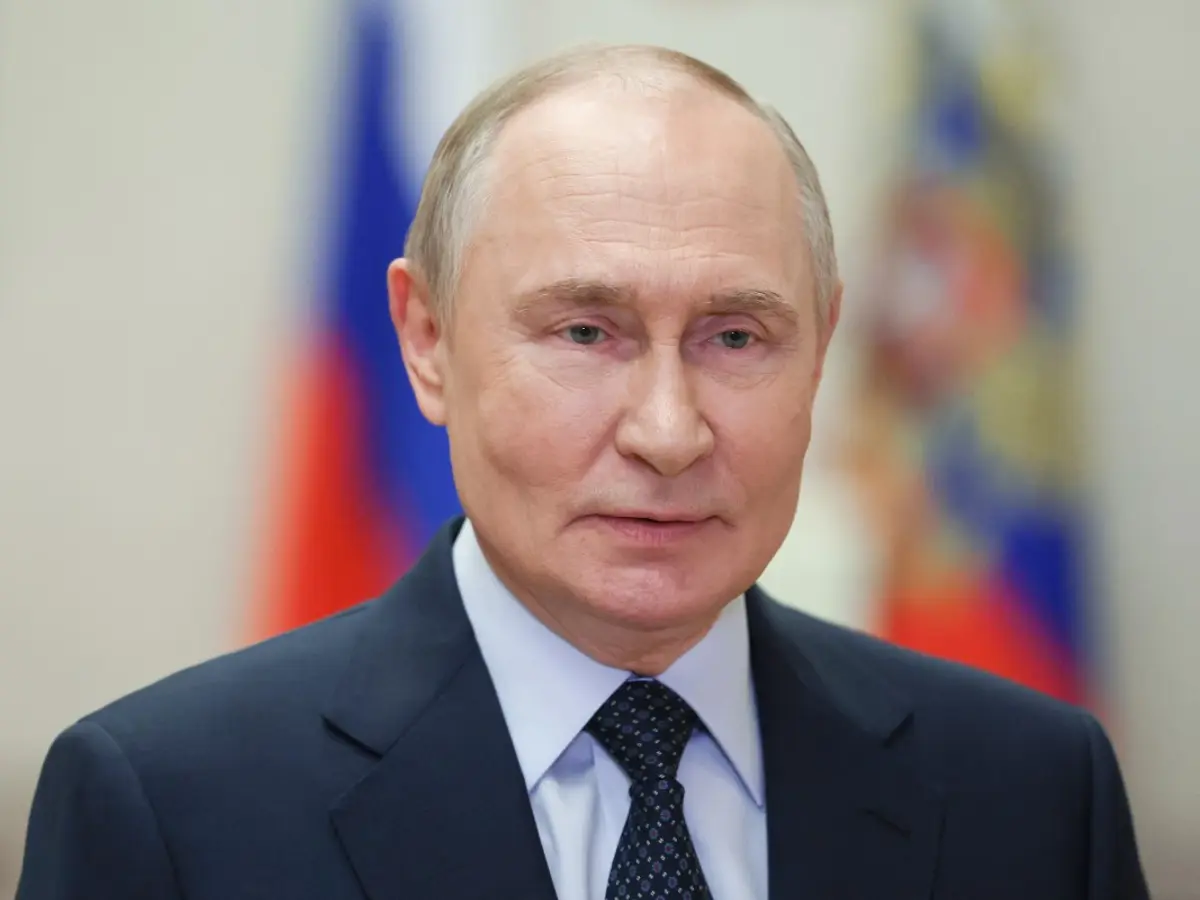
Putin Faces Western Isolation While Russia Builds Non-Western Ties
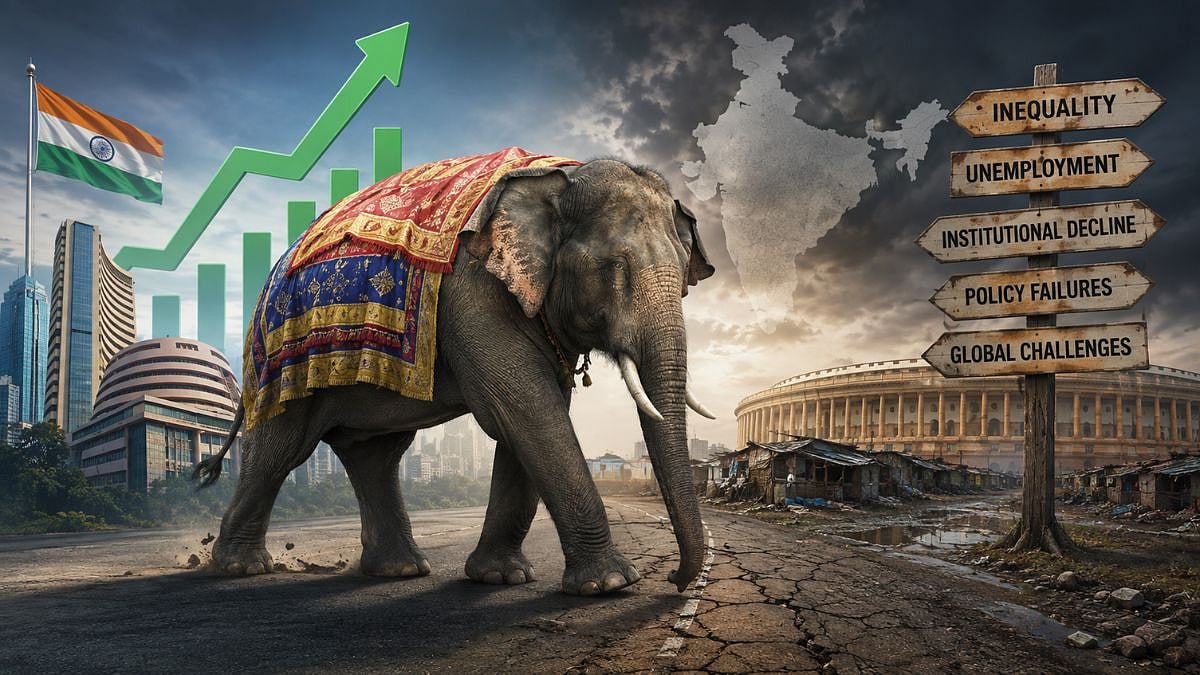
India’s Global Power Ambitions Face Economic and Democratic Setbacks
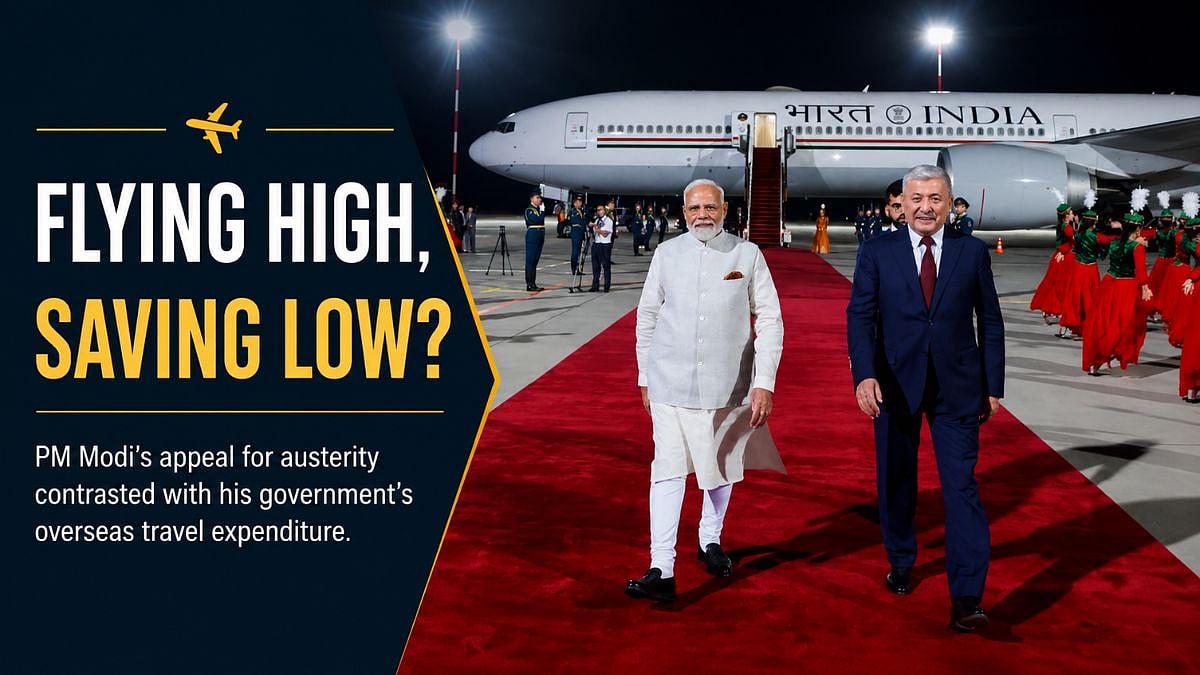
Modi’s Frugality Appeal Contrasts With Extensive Foreign Travel