

3 weeks ago
Putin Could Strike NATO Allies to Test Bloc's Resolve

The United States has spies who study what other countries might do.
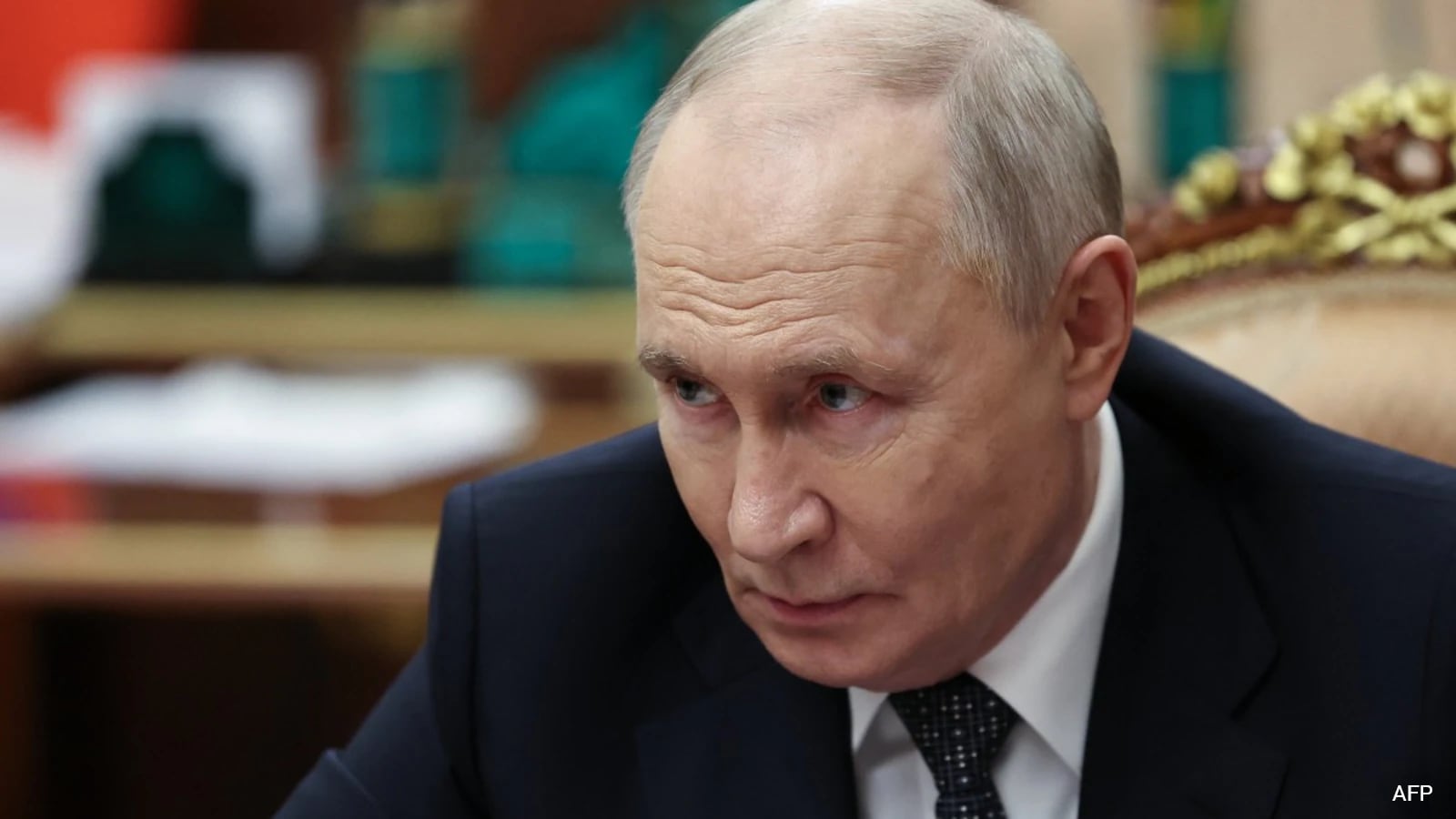
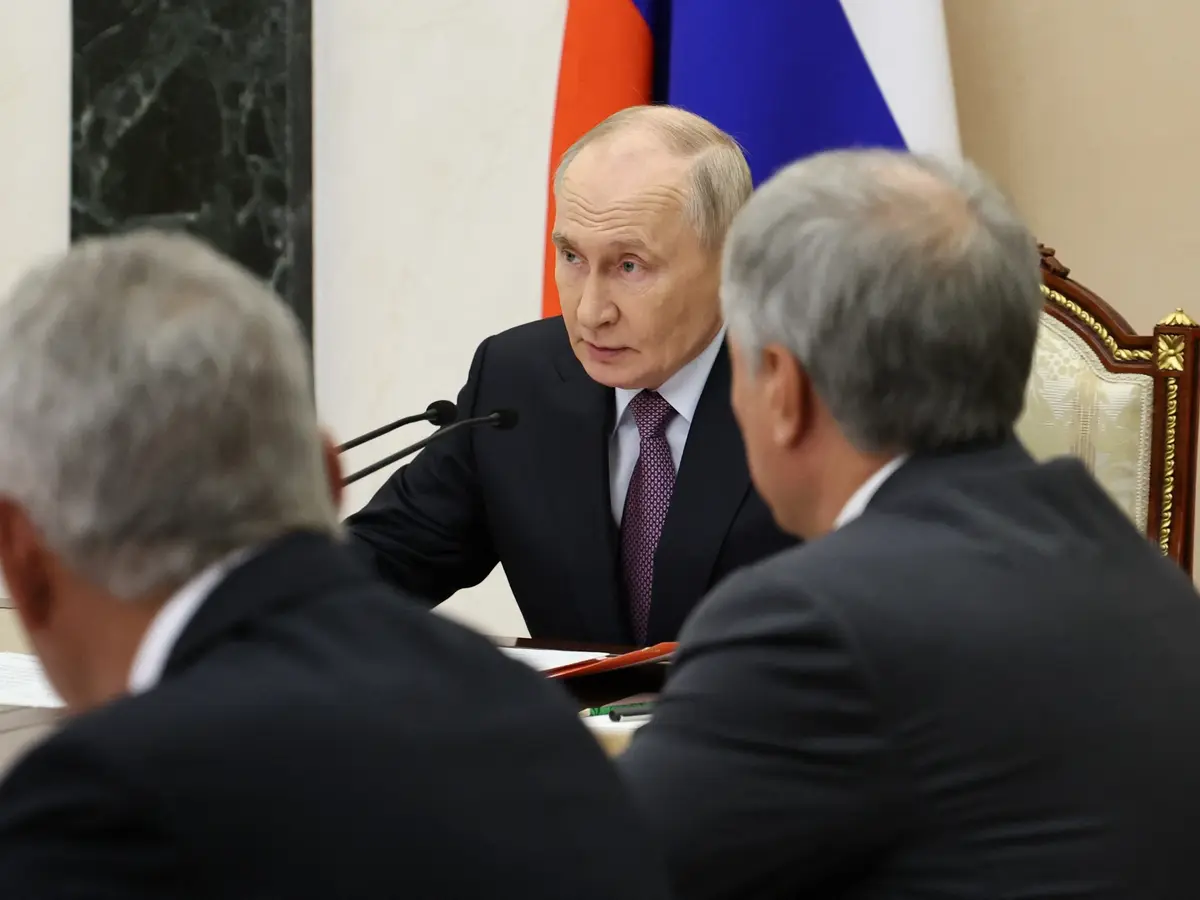
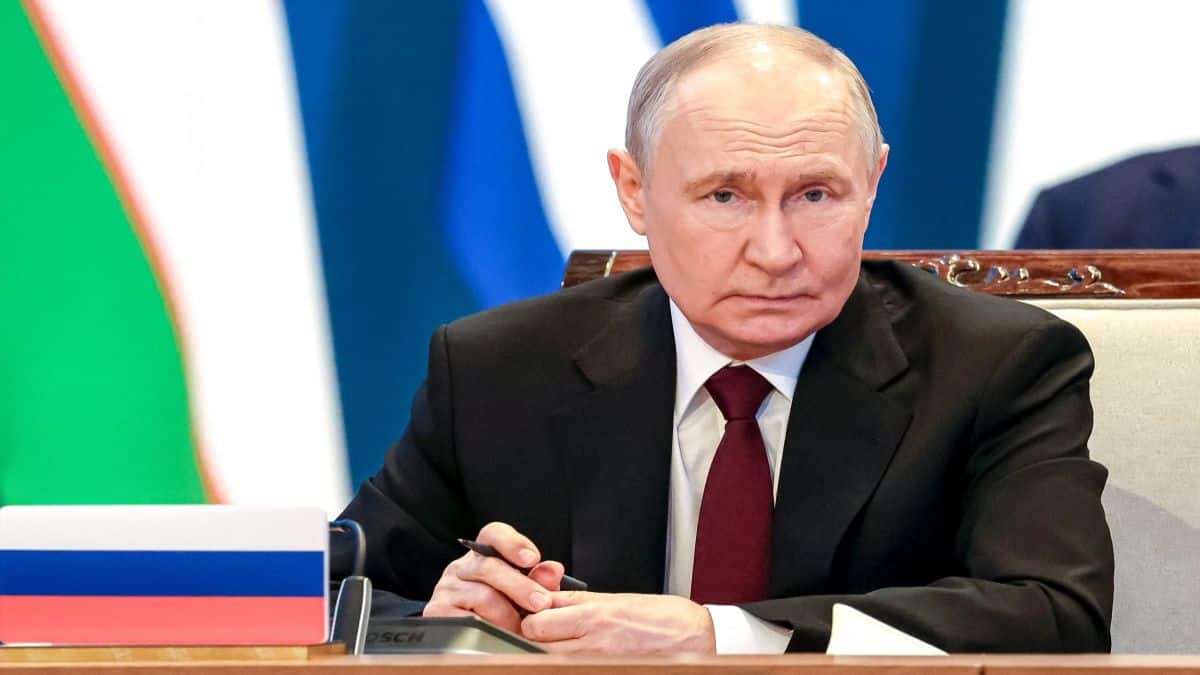
They now think Russia's leader, Vladimir Putin, might try to attack one of America's friends in Europe to see if the friends really stick together.
America's friends belong to a group called NATO, and NATO countries promise to help each other if any of them is attacked.
The spies think Russia might do something small, like a computer attack, secret missions, or sending drones, instead of starting a big war.
A big army invasion is unlikely, because then the NATO promise would kick in and other countries would fight back.
The Baltic states and Poland could be places Russia might try to test.
People are also arguing about weapons: the President's team says America has plenty, but some military experts worry that important missiles are running low.
There is also worry because an explosive drone thought to be from Russia was found at an airport in Germany.
NATO says it is watching carefully and is ready to protect its members.

New US intelligence assessments, reported by CNN, CBS News and The Wall Street Journal, suggest Vladimir Putin could launch a limited attack on a NATO member within the next few years to test the alliance's resolve.
Scenarios under review include cyberattacks, sabotage, drone incursions, covert operations by unmarked armed groups seizing territory, and a limited military push along NATO's eastern border.
The assessments estimate any such move could come between this autumn and 2029, with the Baltic states or Poland seen as the most likely flashpoints.
A direct land incursion is considered the least likely option because it would trigger NATO's Article 5 collective defence clause, while hybrid attacks fall into a legal grey area.
Warning signs cited by officials include an explosive-laden drone of Russian origin carrying military-grade explosives found at Leipzig airport in Germany and drones entering Romanian and Polish airspace, while NATO says it is watching and ready to "deter and defend as necessary."
- Who
- Russian President Vladimir Putin, who US intelligence assesses could test NATO's unity with a limited attack on a member state. NATO Secretary General Mark Rutte, the Pentagon, the White House and German Interior Minister Alexander Dobrindt are also central to the story.
- What
- US intelligence assessments suggest Putin could launch a limited attack on a NATO member, ranging from cyberattacks, sabotage and drone incursions to covert operations and a small-scale military incursion, in the coming years.
- Where
- Across NATO's eastern border, with the Baltic states and Poland seen as likely flashpoints; warning signs include an explosive drone found at Leipzig, Germany, drones entering Romanian and Polish airspace, and Russian MiG-31s previously crossing into Estonian airspace.
- When
- Between this autumn and 2029, according to intelligence estimates cited by US officials; the assessments emerged as of this reporting.
- Why
- To test how far the alliance would go to defend a member and to expose cracks within NATO, separating the United States from its allies, as Russia faces growing pressure from Ukrainian drone strikes and slowed battlefield advances; a failure to secure a face-saving exit from the war in Ukraine could also influence Putin's decision-making.
Concerned Officials and Experts
Pentagon, White House and NATO
US weapons stockpiles
Concerned Officials and Experts
Officials and experts, including Joint Chiefs Chairman Gen. Dan Caine and analysts such as Tom Karako and Mark Cancian of the Center for Strategic and International Studies, warn that inventories of key weapons such as Patriot interceptors, ATACMS, Precision Strike Missiles and Stinger missiles have fallen after years of support for Ukraine and the Iran conflict, raising risks in a potential conflict with Russia or in the Western Pacific with China.
Pentagon, White House and NATO
Chief Pentagon spokesman Sean Parnell called reports of munition shortages false, while White House spokeswoman Anna Kelly said the US military had "more than enough" weapons to serve all of President Trump's strategic goals and "everything required to strike at the time and place of the President's choosing"; Trump has directed defence contractors to increase production.
Likelihood of a Russian attack on NATO
Concerned Officials and Experts
New US intelligence assessments suggest Putin could launch a limited attack on a NATO member between this autumn and 2029 to test the alliance's willingness to respond, given growing pressure on Russia from Ukrainian drone strikes and slowed battlefield advances; the Baltic states or Poland are seen as the most likely targets. Heather Conley of the American Enterprise Institute says it has always been a Russian goal to challenge NATO's credibility and separate the United States from its allies.
Pentagon, White House and NATO
Officials previously believed Putin would avoid confronting NATO directly while Russia remained tied down in Ukraine, and a direct land incursion is viewed as the least likely scenario because it would trigger NATO's Article 5 collective defence clause.
US commitment to NATO under Trump
Concerned Officials and Experts
Trump has repeatedly criticised European allies for failing to spend enough on defence and has questioned the scope of America's commitment under Article 5, saying there are "numerous definitions of Article 5" and suggesting uncertainty over whether NATO members would defend the US; his administration has also weighed reducing the US military presence in Europe, including possible troop cuts in Germany.
Pentagon, White House and NATO
At other times Trump has said the United States would protect NATO allies, and he earlier abandoned plans to withdraw troops from Poland; NATO says it is watching and ready to "deter and defend as necessary."
Key facts
- Reported by
- CNN, CBS News and The Wall Street Journal, citing unnamed US officials
- Key finding
- US intel assesses Putin could launch a limited attack on a NATO member to test alliance unity
- Scenarios under review
- Cyberattacks, sabotage, drone incursions, covert operations, limited military push
- Estimated timing
- Between this autumn and 2029
- Potential flashpoints
- Baltic states or Poland
- NATO stance
- "Watching and ready to deter and defend as necessary" - Col. Martin O'Donnell
- Weapons under strain
- Precision Strike Missiles, ATACMS, Stinger, Patriot, SM-3, THAAD
- Patriot missiles used in Iran conflict (CSIS estimate)
- 1,060-1,430; as few as 870 may remain
Quotes
NATO Secretary General Mark Rutte
Secretary General of NATO
“The question mark is how the United States would respond in that case. It has always been a goal to challenge the credibility of NATO and to separate the United States from its allies.”
 NDTV
NDTV
“"I'm proud to say that it was a Dutch F-35 that fired the shot that took down the danger"”
 livemint.com
Col Martin O'Donnell
NATO spokesman
“We are always thinking through and preparing for any number of scenarios. NATO is watching and we are ready to deter and defend as necessary, which we continue to demonstrate.”
NDTV
“"NATO is watching, and we are ready to deter and defend as necessary."”
 wionews.com
Sources
Related news
CIA Chief Warned Russia Against NATO Attack During Moscow Visit

Trump and Kremlin Downplay Fears of Russian NATO Attack
Report Raises Nuclear, NATO Escalation Concerns Over Ukraine War
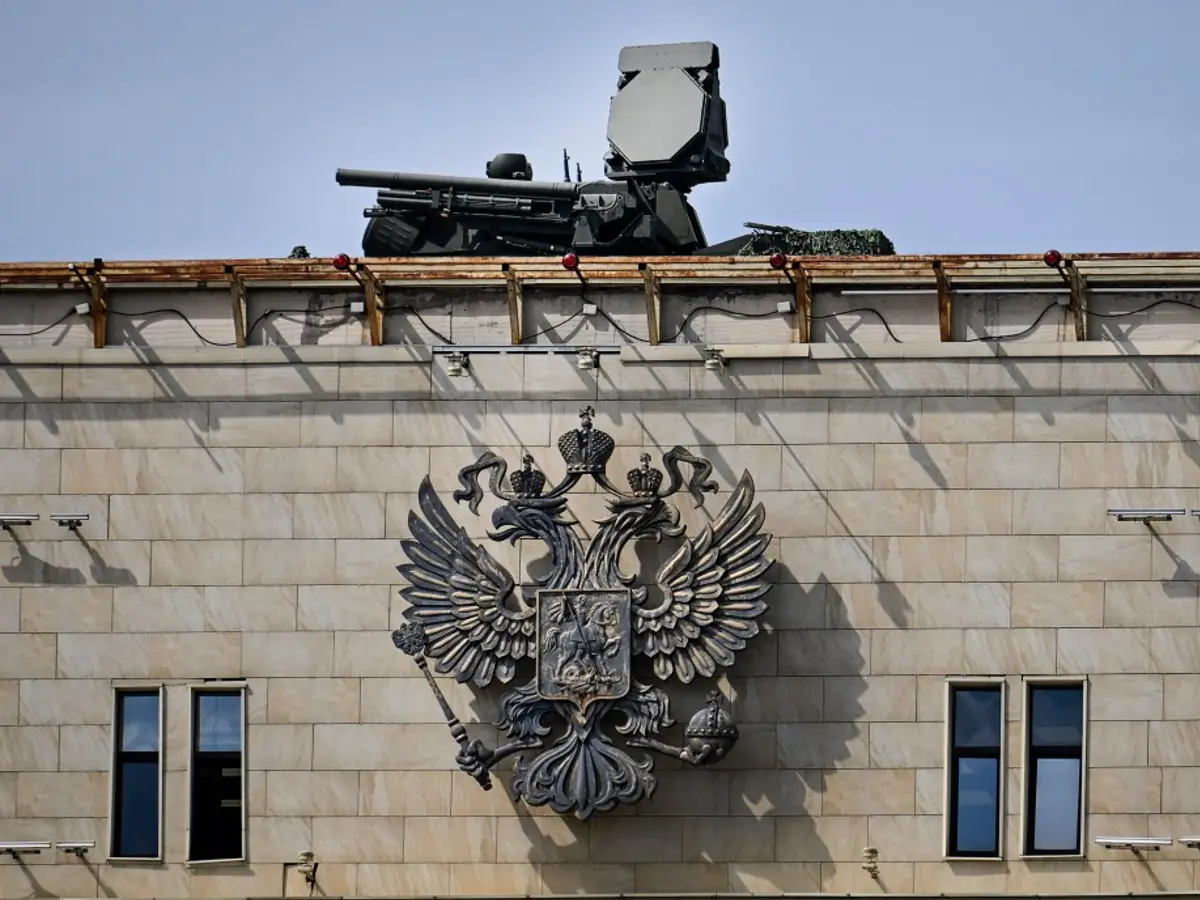
Europe Confronts Russia’s Alleged Hybrid Warfare and NATO Strains
Russia Warns Britain and France Over Ukraine Arms Escalation
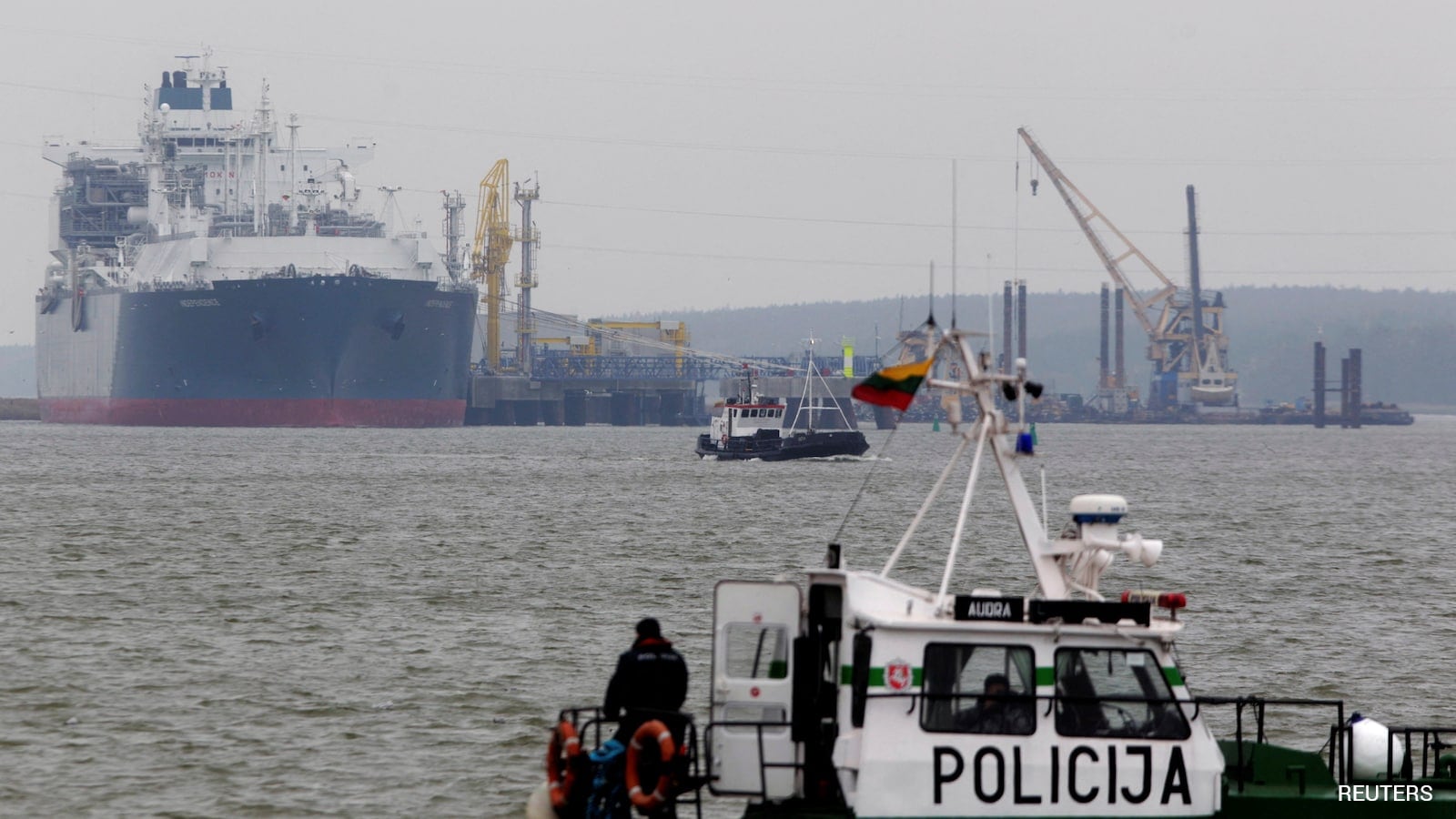
Poland, Baltics shield infrastructure amid Russian false-flag attack fears

Pentagon Turmoil Deepens as Hegseth Tightens Grip on Military

Germany Blames Russia for Leipzig Drone Attack, Europe Vows Response
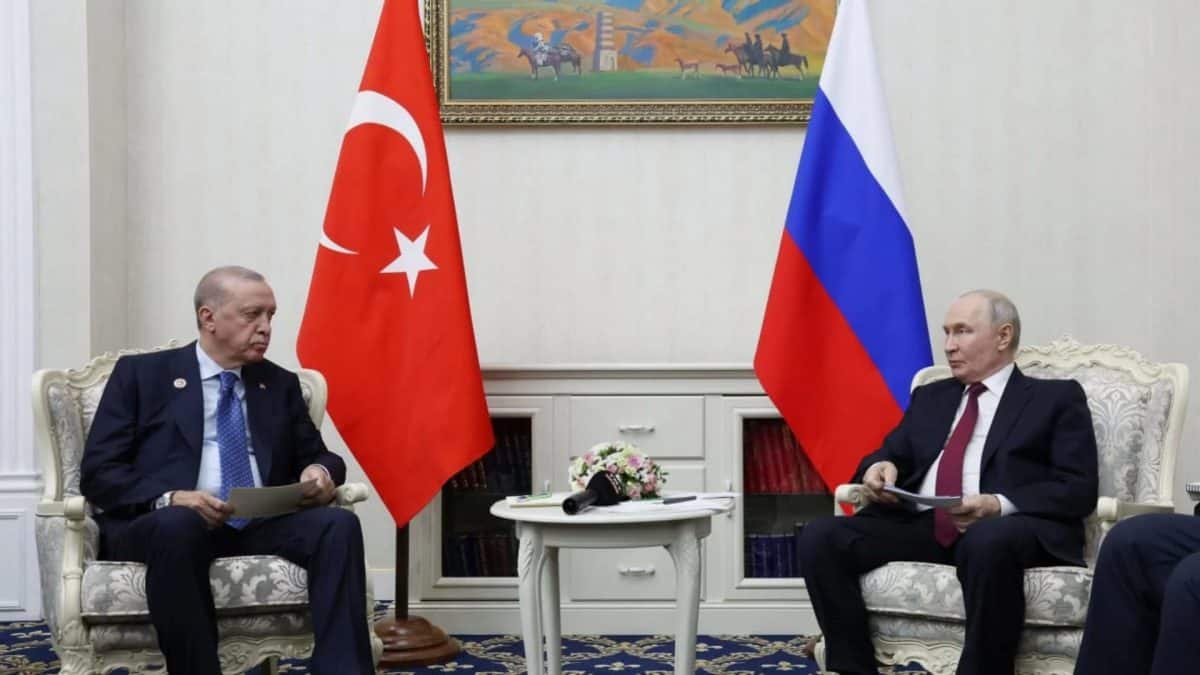
Erdogan Says Turkey Would Consider Full Shanghai Cooperation Organisation Membership

Augsburg Train Station Closed After Explosion, Suspicious Object Found

Taliban Offers Afghan Mineral Wealth as Washington Weighs Engagement
