2 weeks ago
India-Nepal tea trade disparity flagged, MPs seek reciprocity
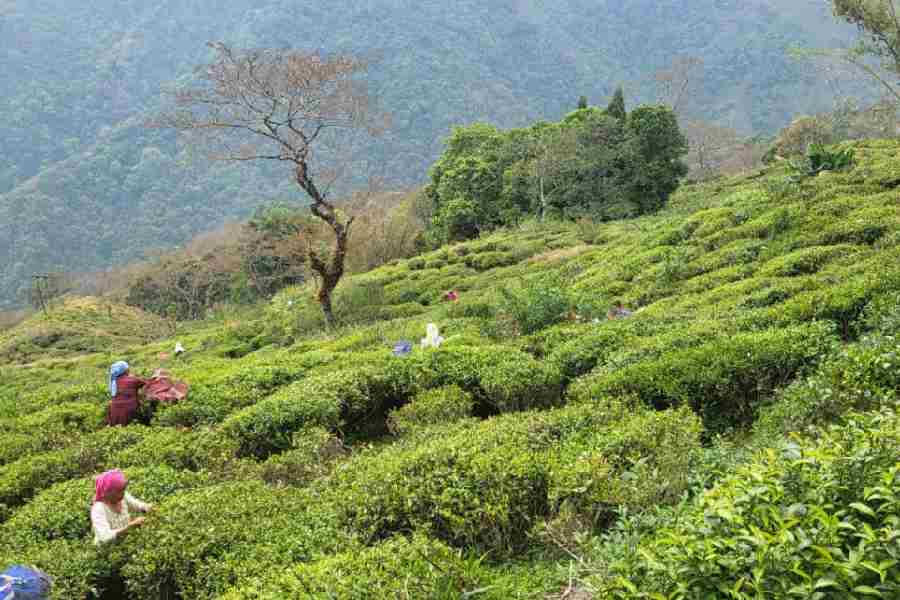
A special group of important people in India, called a committee, watches over how things like tea are bought and sold between countries.
The committee noticed something unfair: tea from Nepal can be sold in India without paying any extra money, but tea from India must pay a very high tax when it goes to Nepal.
The committee thinks both countries should treat each other's tea the same way.
India is famous for a special tea called Darjeeling Tea, which has a special label proving it comes from just one place.
The committee is worried that cheaper tea from Nepal is being mixed with Darjeeling Tea and sold as the real thing, which hurts Darjeeling Tea's good name.
The people in charge of tea say they already have rules to stop this and that only a small amount of tea comes from Nepal.
The committee does not think these rules are enough and wants the government to do more.
They also found that the tea office, called the Tea Board, does not have enough workers to do its job well.
The committee wants the government to fill those empty jobs and help tea gardens that have closed down.
This is all about making sure the tea business is fair for everyone involved.

A parliamentary standing committee on commerce flagged the trade asymmetry in the Indo-Nepal tea trade, where Nepal enjoys duty-free (0%) access to the Indian market while Indian tea faces 40% tariffs in Nepal.
The 31-member committee, chaired by Dola Sen, presented its 198th report to the Rajya Sabha and Lok Sabha on August 6.
The panel warned that low-quality Nepalese tea is being mixed with GI-tagged Darjeeling Tea, damaging its brand image, and demanded strict protection measures and penalties.
The commerce department said tea imports during April-February 2025-26 stood at 37.07 million kg, about 2.87% of domestic production, down 21.84% year-on-year and largely for re-export and blending.
The committee also revealed that only 301 of the Tea Board's 756 sanctioned posts are filled, leaving 455 vacant, and sought a revival package for closed tea gardens.
- Who
- The parliamentary standing committee on commerce, headed by Dola Sen, along with the Union commerce department and the Tea Board.
- What
- Flagged the trade asymmetry under the Indo-Nepal Trade Treaty, where Nepal gets duty-free access to the Indian market while Indian tea faces 40% tariffs in Nepal, and urged the government to seek reciprocity in market access.
- Where
- India, pertaining to the India-Nepal tea trade, with the report presented to Parliament.
- When
- The 198th report was presented to the Rajya Sabha on August 6 and laid on the table of the Lok Sabha the same day; import data covers April-February 2025-26.
- Why
- To secure a level playing field for Indian tea traders and protect Darjeeling Tea's geographical indication (GI) tag from being diluted by blended Nepalese tea.
Parliamentary Panel
Commerce Ministry & Tea Board
Market access reciprocity
Parliamentary Panel
Nepal enjoys duty-free access to the Indian market while Indian tea faces 40% tariffs in Nepal; the government must raise reciprocity with Nepal and undertake a comprehensive review of trade provisions to give Indian traders a level playing field.
Commerce Ministry & Tea Board
Tea imports during April-February 2025-26 were only 37.07 million kg (2.87% of domestic production), declined 21.84% year-on-year, and were largely for re-export and blending according to international buyers' requirements.
Darjeeling Tea GI protection
Parliamentary Panel
Low-quality Nepalese tea is mixed with GI-tagged Darjeeling Tea, affecting its brand image; strict measures and penalties for violations are needed, and the Action Taken Reply does not adequately address the recommendation.
Commerce Ministry & Tea Board
The Tea Board cited the November 11, 2021 notification barring blending of imported tea with Darjeeling Tea, along with requirements to disclose imported ingredients, clear certificates on the tea council portal, state origin on packages and invoices, and FSSAI testing.
Key facts
- Tariff asymmetry
- Nepal: 0% duty into India; India: 40% tariff into Nepal
- Report
- 198th report of the standing committee on commerce, presented August 6
- Committee composition
- 31 members (21 Lok Sabha, 10 Rajya Sabha), chaired by Dola Sen
- Tea imports (Apr-Feb 2025-26)
- 37.07 million kg, equivalent to 2.87% of domestic production
- Import decline
- 21.84% year-on-year
- Tea Board vacancies
- 455 of 756 sanctioned posts vacant (301 filled)
- GI protection measure
- November 11, 2021 notification barring blending of imported tea with Darjeeling Tea
- Competing tea producers cited
- Sri Lanka and Indonesia
Sources
Related news
Indian Tea Association Seeks Bengal Support to Revive Tea Industry
India challenges US quartz tariffs at WTO in fourth dispute
Shipki La trade faces fresh roadblock over IGST levy
Tea Auction Price Drop Worries Eastern India Planters
India, US Continue Trade Talks Amid Tariff Uncertainty

Nepal Flood Death Toll Passes 1,200 Amid Ongoing Search

Nepal Flood Death Toll Tops 1,200 as Climate Risks Rise
Bihar on Alert as Rivers Swell, Sone Barrage Gates Open
Satellite Radar May Strengthen Nepal's Flood Warning Systems

Nepal Plans New Landslide Warning System Along China Border